Snow Pool Habitats – High Point State Park
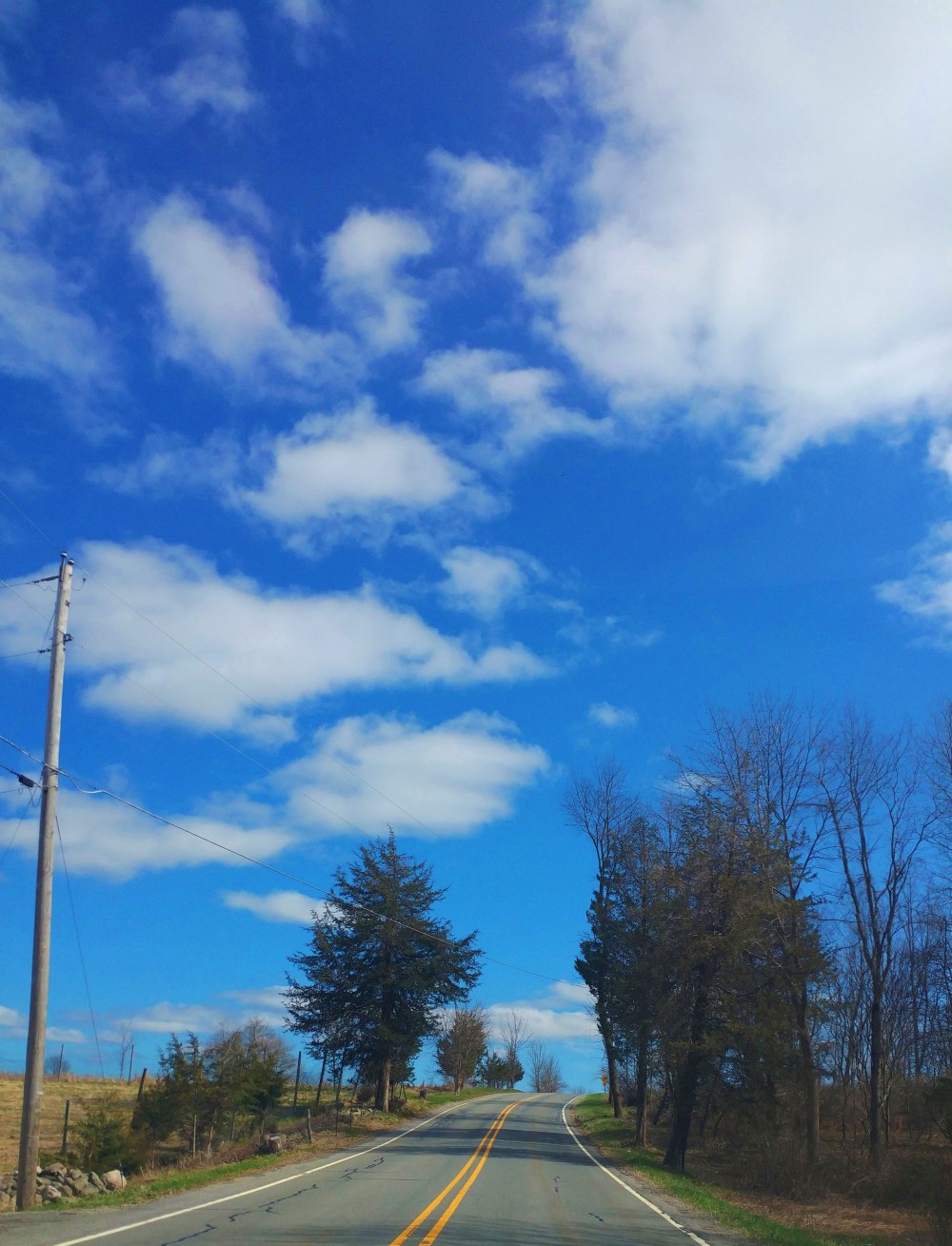
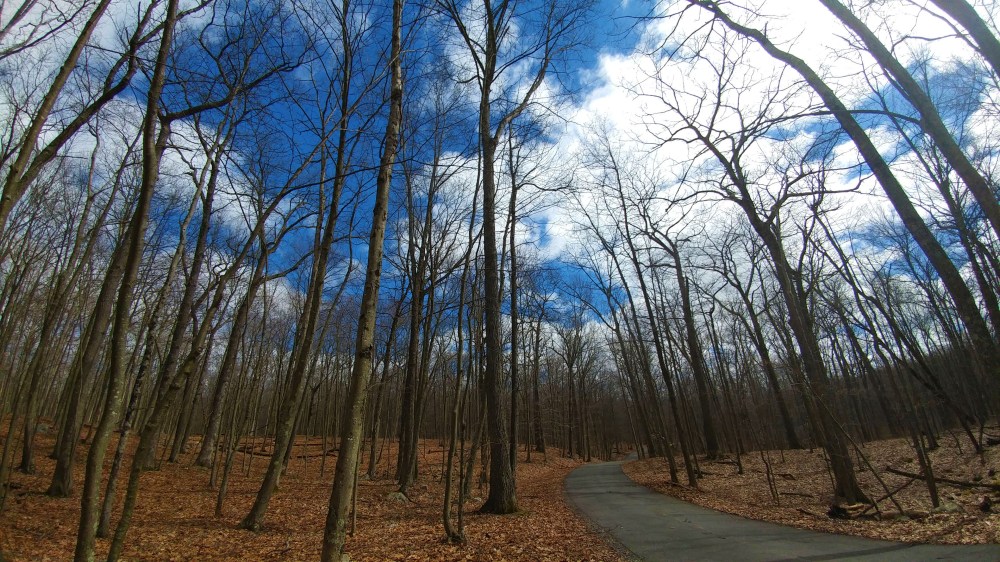
Among the first mosquito larvae to hatch in NJ are those inhabiting the state’s snow pools found in the high elevations of Stokes State Forest and High Point State Park in the states Valley and Ridge physiographic province with peak elevations ranging from 1,600-1,800 feet. The gravitational force at these high elevations is lower resulting in less atmosphere which in turn decreases the scattering of light making the sky appear darker blue like brilliant sapphire or English blue topaz. The less dense air also results in colder temperatures because there is not as much atmosphere to hold the heat in as in lower elevations.
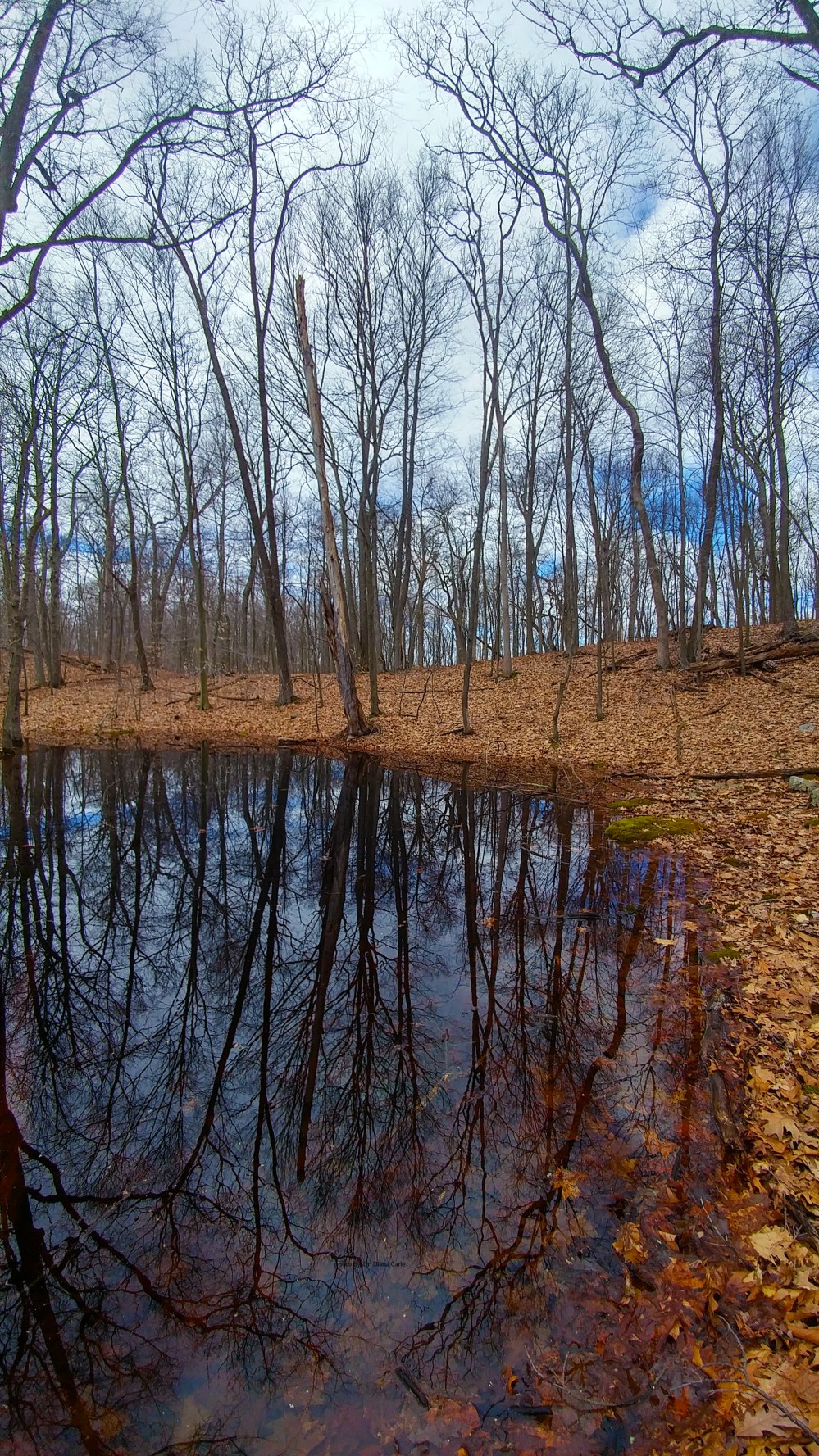
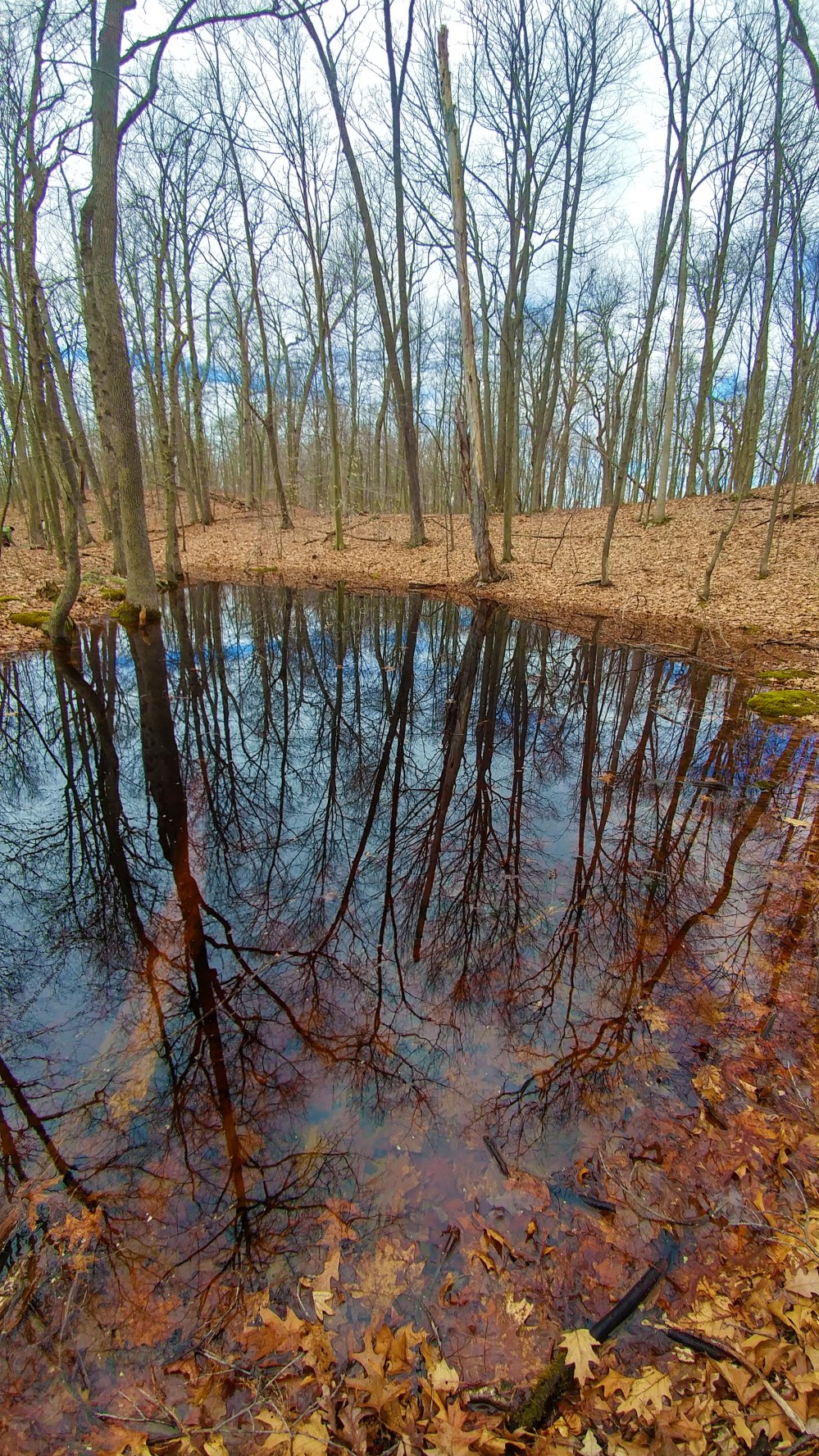
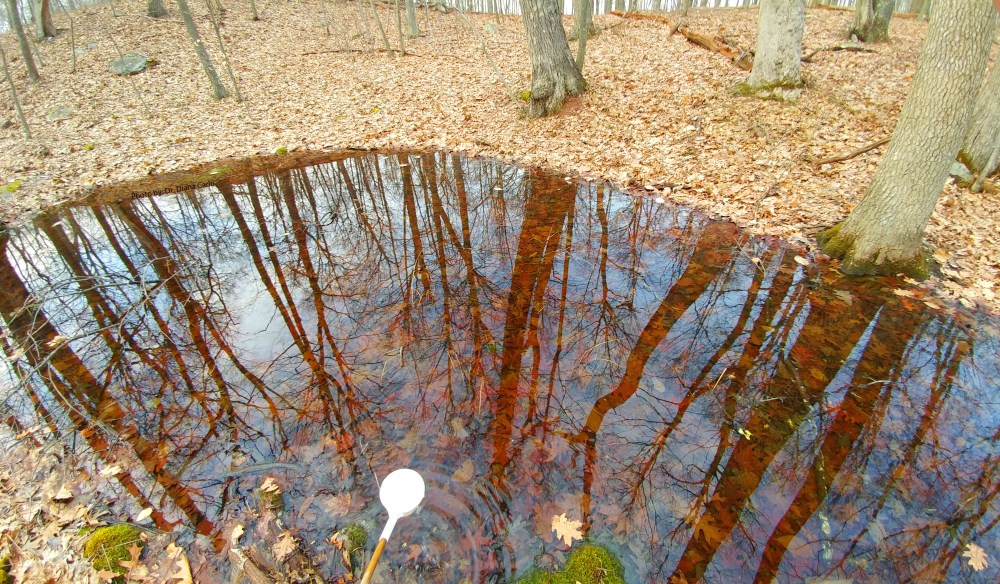
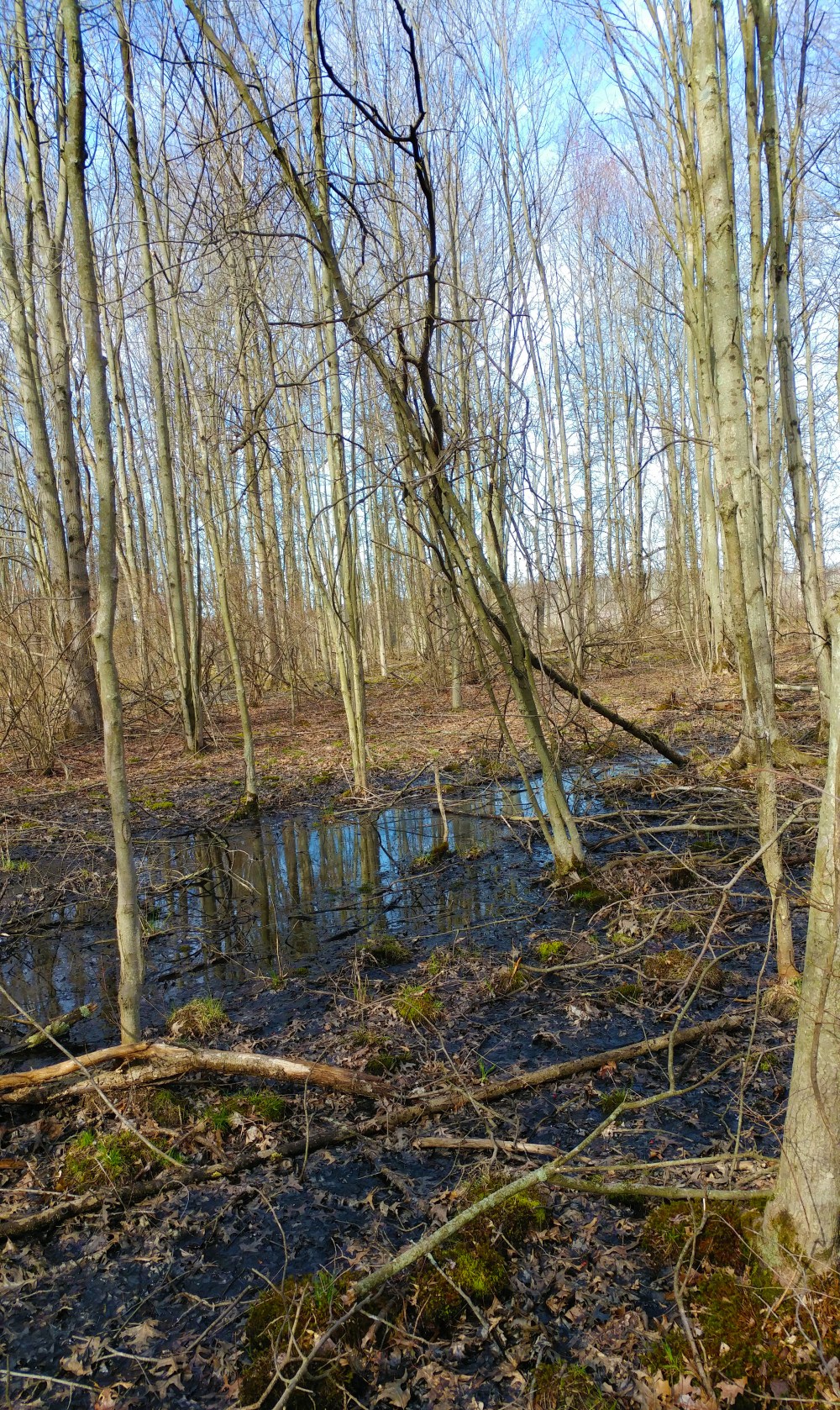
The snow pool mosquitoes that thrive in these chilly late winter to early-spring habitats are found in relatively deep woodland pools darkened by the tannin of oak leaves lining the bottom of the pools. While some larvae can be found in the more shallow pools, collecting often involves wearing chest waders and carefully moving through steep sided deep pools. Among the first species to hatch are Aedes communis and Ae. provocans, and you can find 4th instar larvae of these species in mid to late march in High Point State Park. You can also find Ae. stimulans and Ae. excrucians in the same habitat in mid to late March, but they will usually be a couple of instars behind. As the spring progresses the deep snow pools dry down, and the other woodland pools in the area serve as prime habitat for some of the other later season univoltine Aedes like Ae. canadensis, Ae. cinerius, Ae. sticticus, and Ae. abserratus.
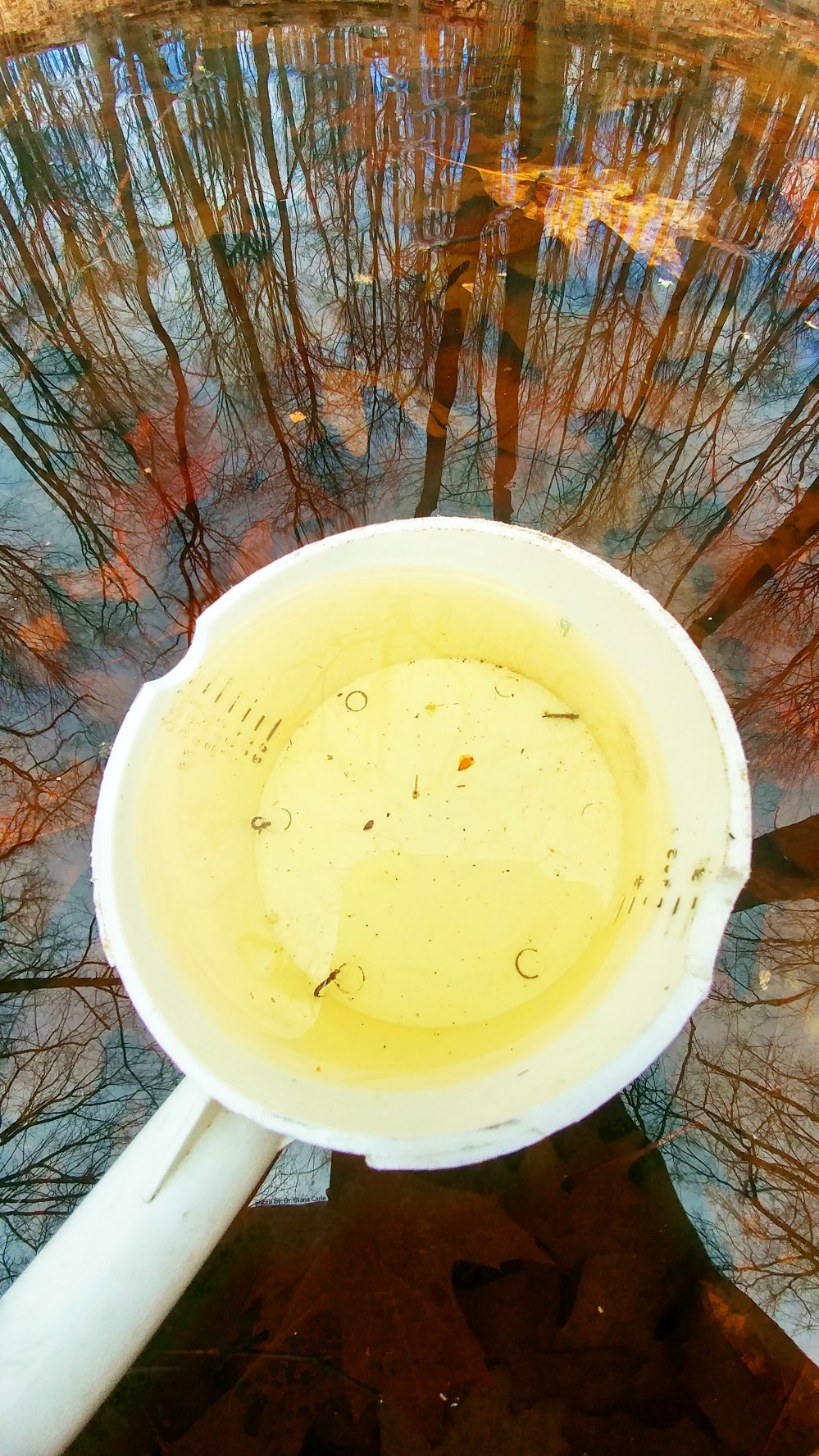
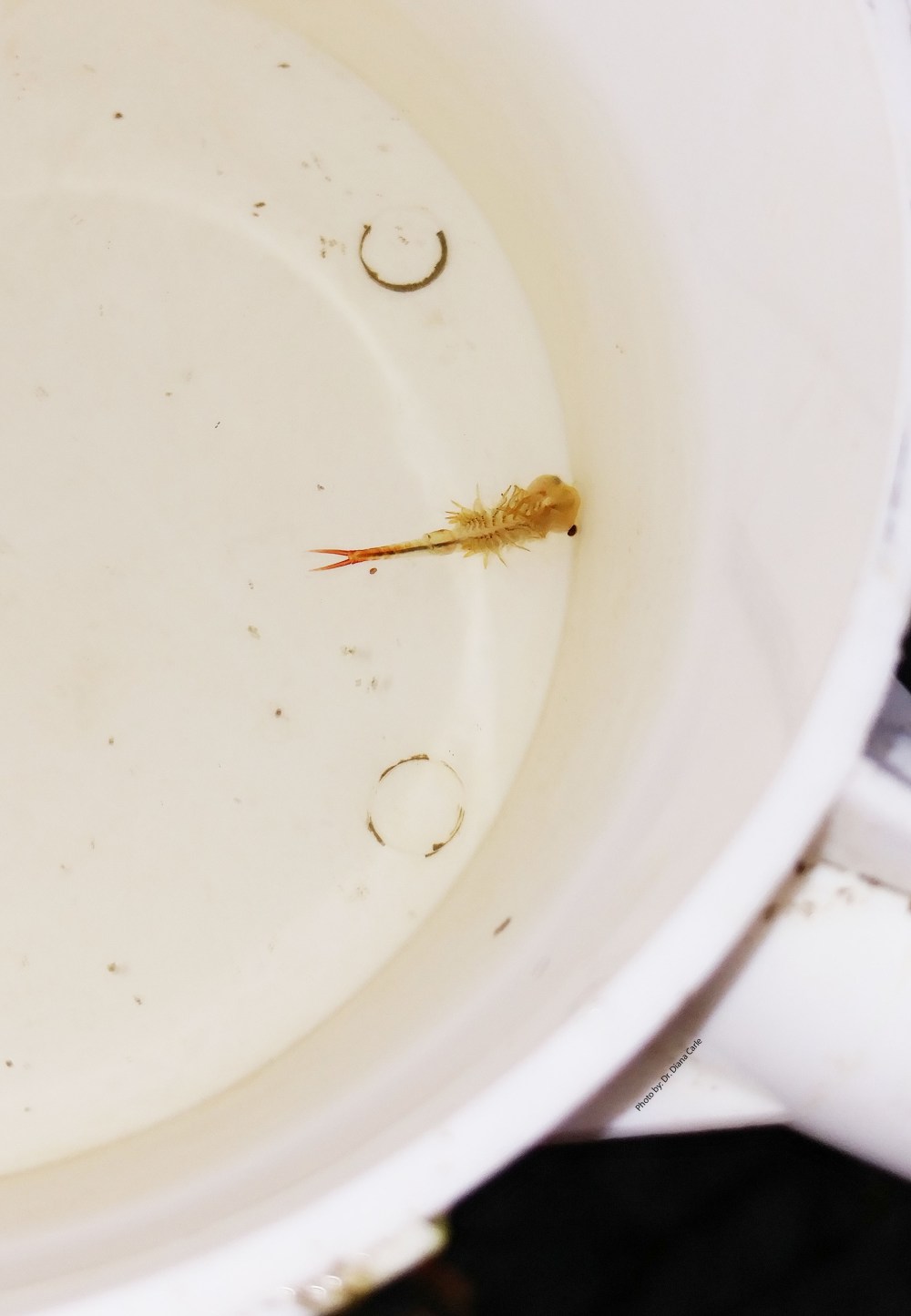
The video below demonstrates the method of scanning for Ae. communis larvae in High Point NJ’s deep snow pools. This involves moving your mosquito dipper about a foot below the water’s surface and letting the dark colored larvae stand out against the white of the dipper. Often these larvae will dive into the white colored dipper, in essence collecting themselves for you!
 Diana Carle, PhD