The NJ salt marsh is one of the most famous mosquito habitats owing to a rich history that gave birth to modern mosquito control. The first concerted mosquito control efforts in NJ were devised by J.B. Smith at the turn of the 19th century, and were shaped by the discovery that many salt marsh breeding mosquito species could fly nearly 30 miles inland. This forever changed the old paradigm of mosquito control as a purely local operation to one that needed to be coordinated at the state level. J.B. Smith expressed this fact in his 1904 publication:
“There is no point of greater importance established by this investigation than that certain species of mosquitoes migrate: i.e., they leave the places where they were born and come to maturity and fly long distances. Prior to 1902 the belief was that only in isolated instances, under exceptional conditions, did mosquitoes fly more than a short distance from the places where they became adult. Their radius of flight was expressed sometimes in feet, more rarely in yards, and almost never in fractions of a mile.”
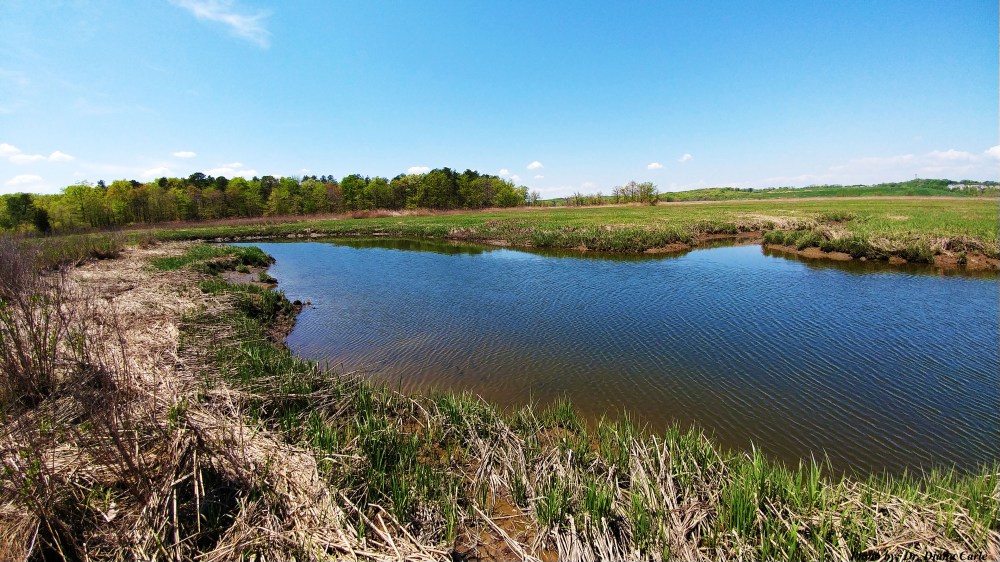
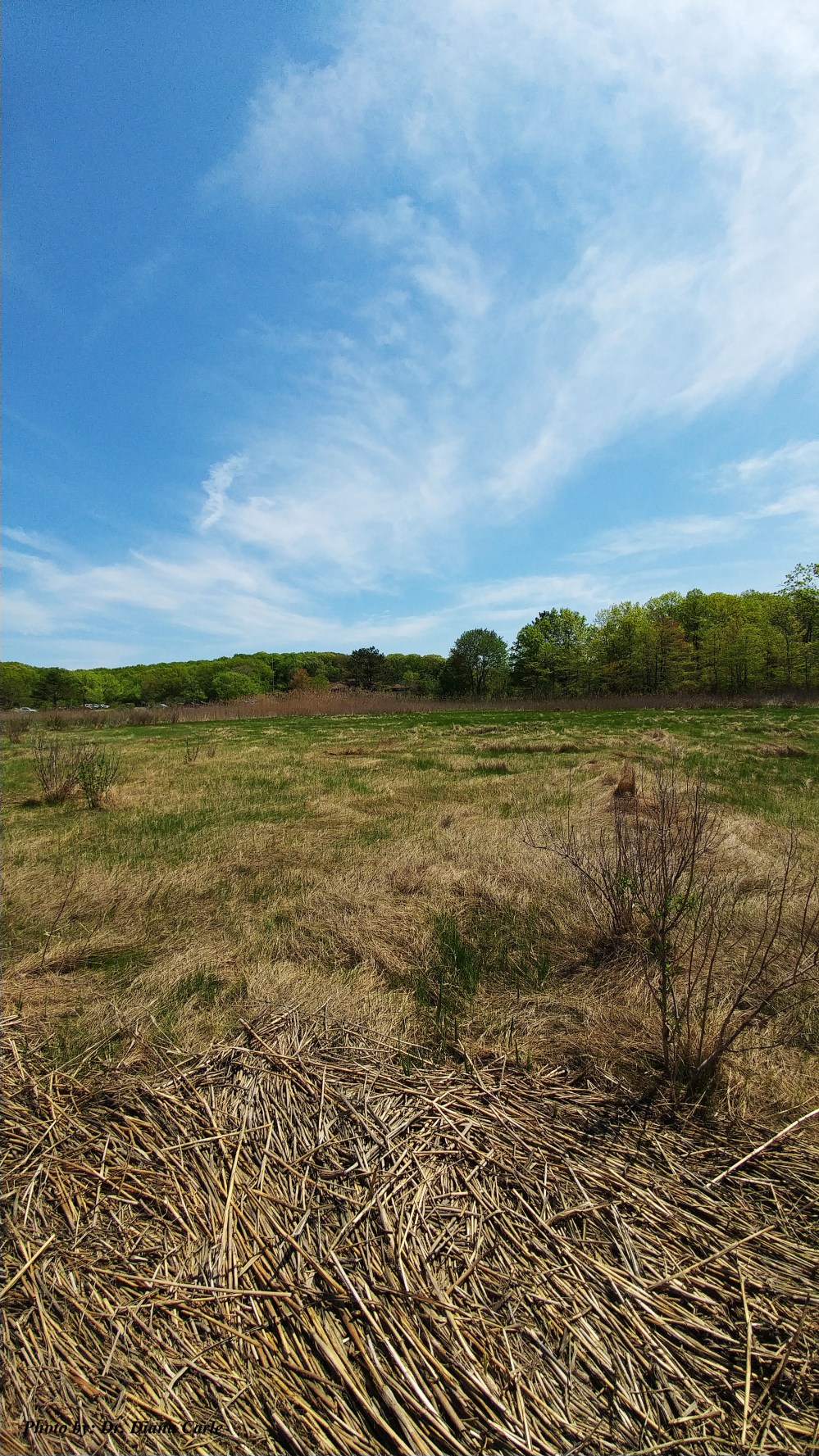
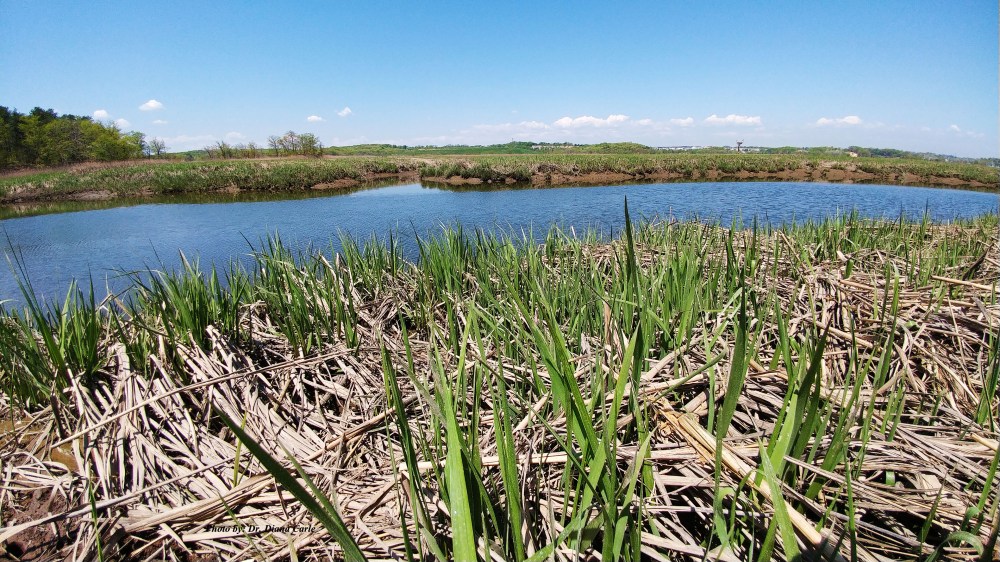
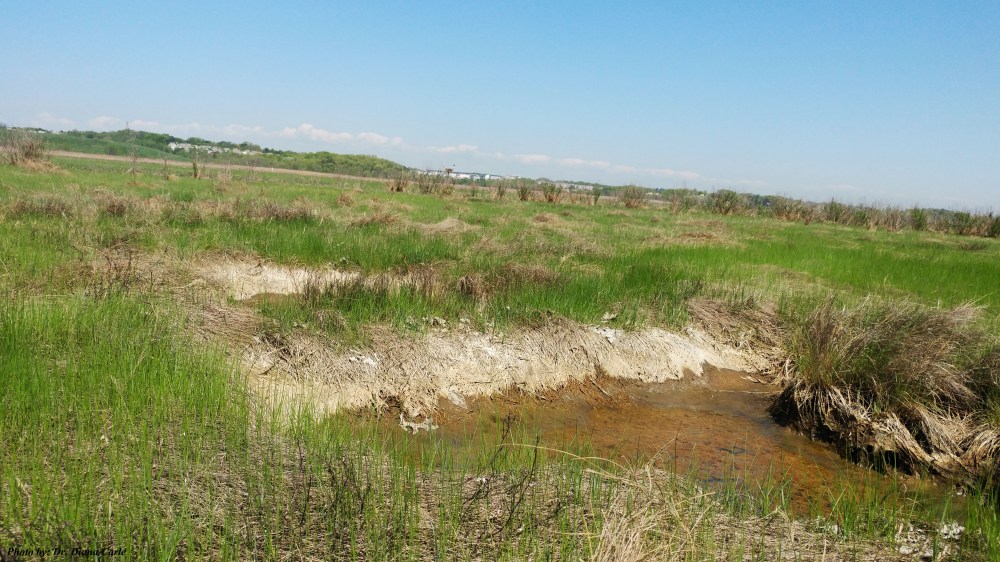
Cheesequake State Park Salt Marsh in Spring
NJ’s salt marsh mosquito habitat extends along the state’s coastline from the Piedmont to the Outer Coastal Plain, and Cheesequake State Park is located in the Inner Coastal Plain of Middlesex County. This site abounds with typical NJ salt marsh vegetation like salt hay, cord grass, cattails, and the invasive Phragmites australis. The grassy upper region of this salt marsh is abundant with Aedes sollicitans and Aedes cantator starting in spring. However, while Ae. sollicitans is a true salt marsh mosquito, Ae. cantator appears more of a generalist and will often be found in freshwater locations as well, especially with Ae. canadensis and Ae. vexans in the woodland pools further inland. Likewise, even though Culex salinarius is colloquially known as the “unbanded salt marsh mosquito” it is seldom found on the open marsh, but can be sampled in the brackish and freshwater woodland pools of this site.



 Diana Carle, PhD