Pitcher Plant Bogs in NJ
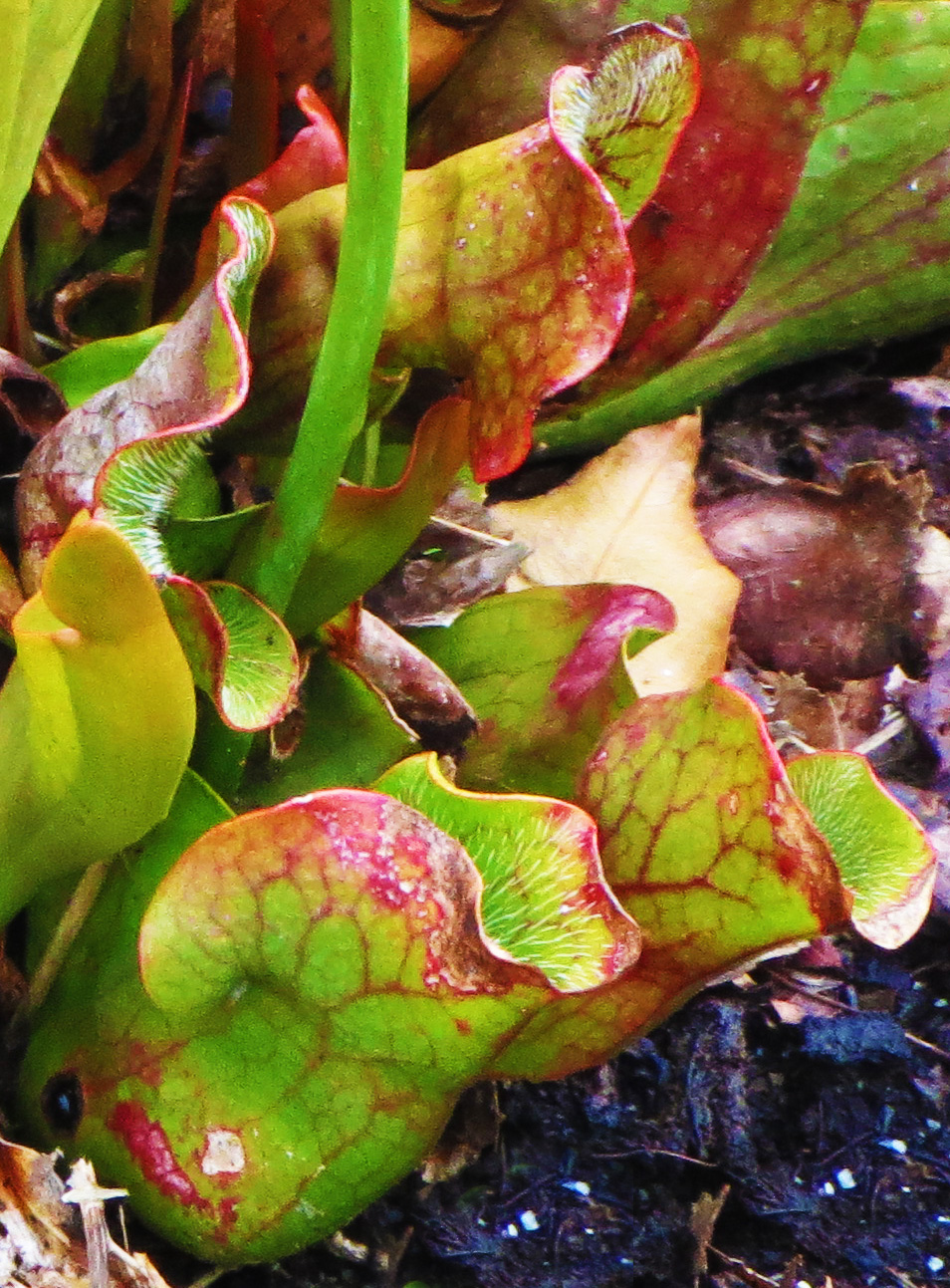
Sarracenia purpurea, the purple pitcher plant, is the only place where you can find the aptly named, Pitcher Plant Mosquito, Wyeomyia smithii. This mosquito and carnivorous plant have undergone a fascinating co-evolution that has proven beneficial to both organisms. The purple pitcher plant lures insects to its water filled tubular leaves(pitchers) using nectar as an attractant. Insects then fall into the pitcher and drown, leaving a veritable graveyard of insects carpeting the plant’s interior. The plant then secretes digestive enzymes to devour these insects, however, Wy. smithii is unscathed by these enzymes and it is thought that these mosquitoes have some sort of protective layer which shields them. Wy. smithii larvae then feed on the decaying matter inside the pitcher and the plant absorbs the excreta of the mosquito larvae.
Wy. smithii overwinters in the larval stage inside the cold water of the pitcher plant. In fact, the larvae have evolved a sort of antifreeze that allows them to survive when the water inside the pitcher freezes. This means that theses mosquitoes can be collected year-round, Brining the chunk of ice from inside the plant back to the lab to thaw will even produce live larvae. The rest of the year, these mosquitoes can easily be collected through suction by using a small pipette. Care should also be used when sampling this habitat to not destroy the plant as part of the collection process.
This species is most abundant in southern NJ in the outer coastal plain where pitcher plant bogs are most concentrated. The species is also found in lesser numbers in the northern portion of the state mainly in the Valley and Ridge and Highlands provinces where there is less pitcher plant habitat. Central NJ lacks the pitcher plant habitat necessary for Wy. smithii’s development.
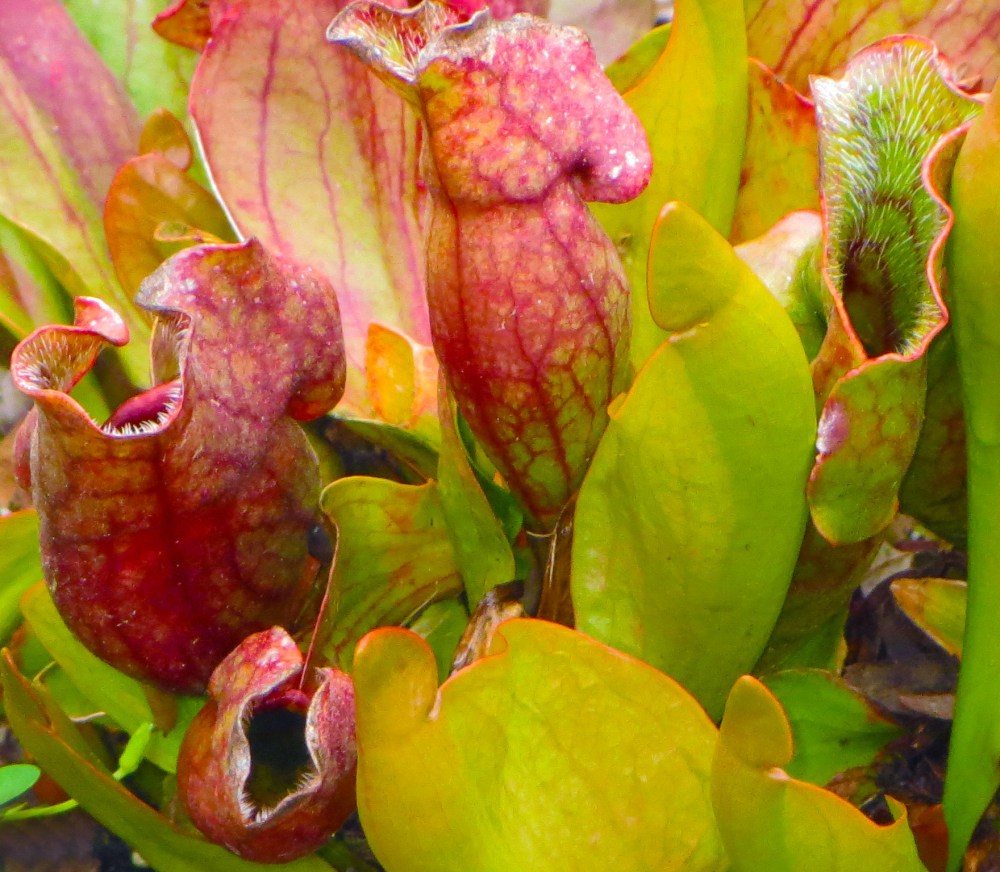
- Photo credit: Dr. Diana Carle
-

 Diana Carle, PhD