General Intermittent Habitats

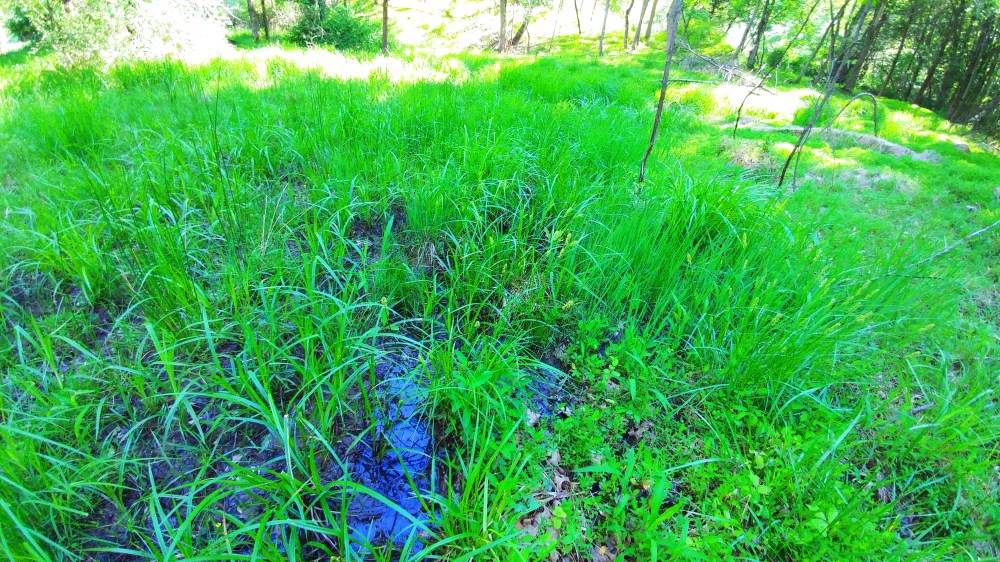
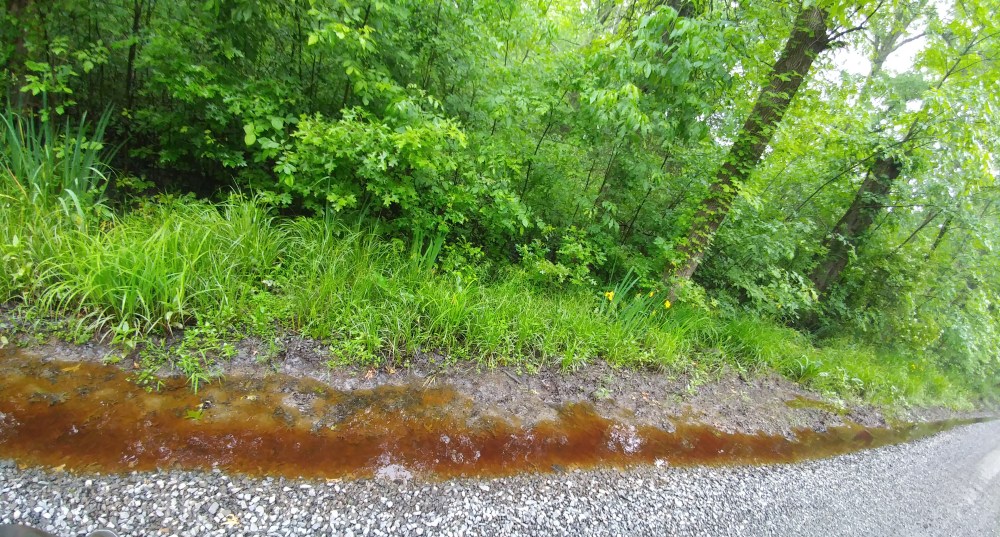
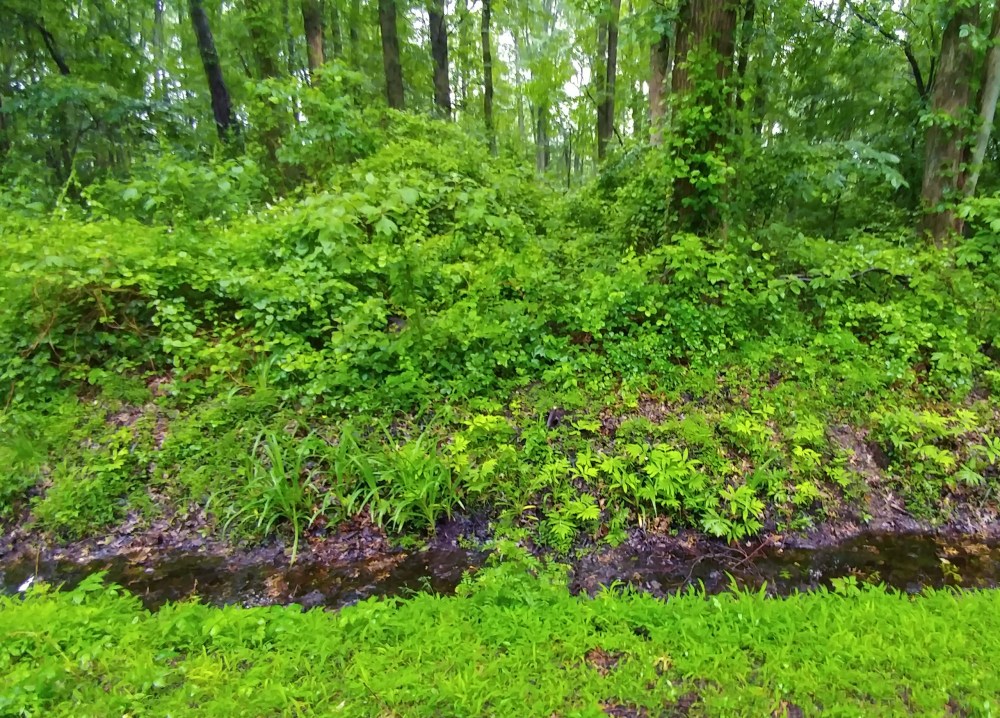
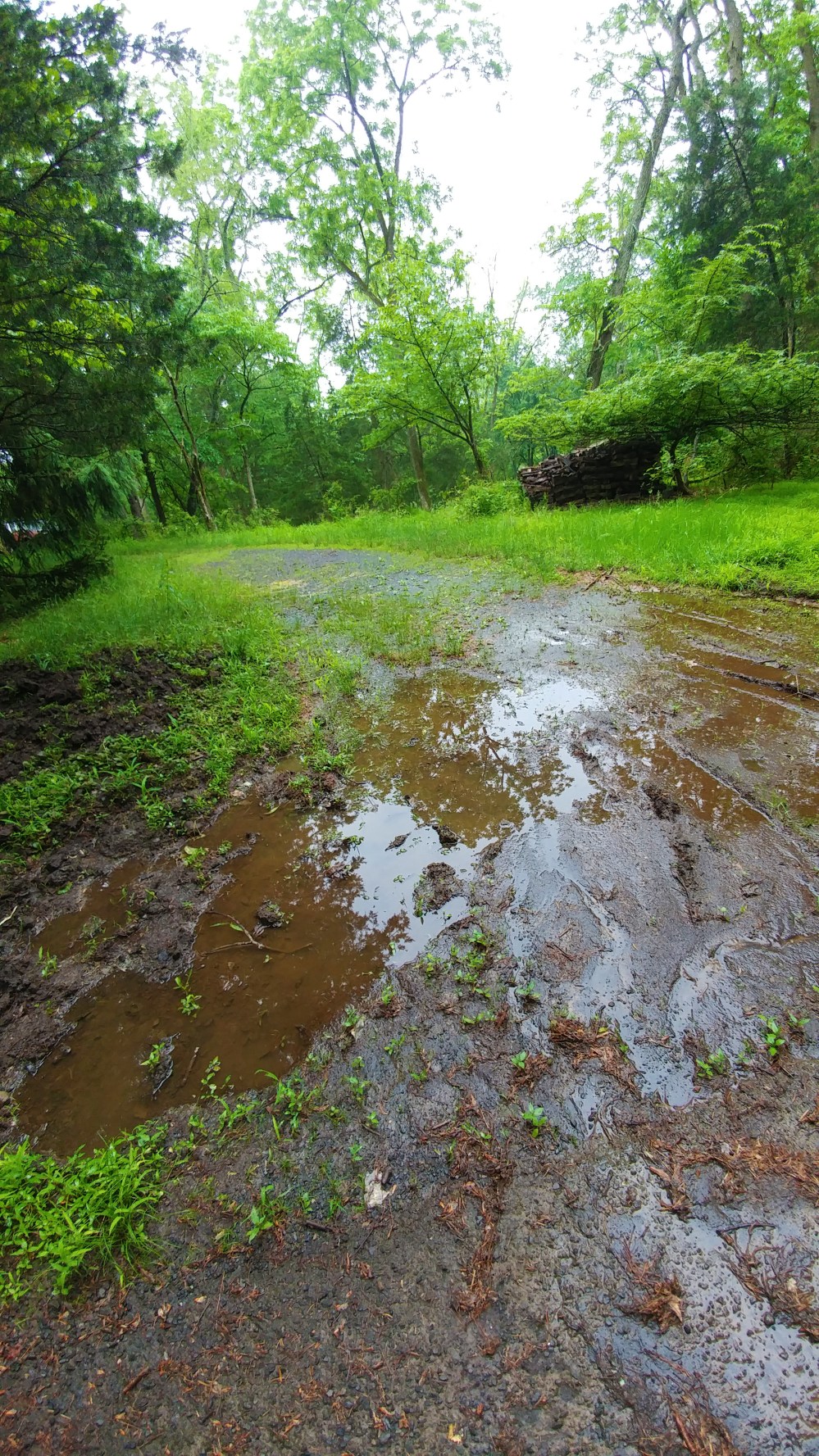
Intermittent or transient water habitats can be found spread throughout the NJ’s five physiographic provinces, and many provide prime habitat for Ae. vexans, the most abundant mosquito species found in NJ Light Trap samples. These habitats support a wide diversity of floodwater mosquitoes, or mosquitoes who’s eggs require a drying period followed by a wetting period to initiate hatching. The intermittent nature of these pools means that there is no time for natural predator populations to establish, making continued control or landscape manipulation of the site essential for mosquito suppression. The transient pools include general woodland pools and road side ditches to the more specialized tidal salt marsh pools and snow pools, and the photos below will walk you through the more general transient water habitats that can be found in any NJ county.
This slideshow requires JavaScript.

292
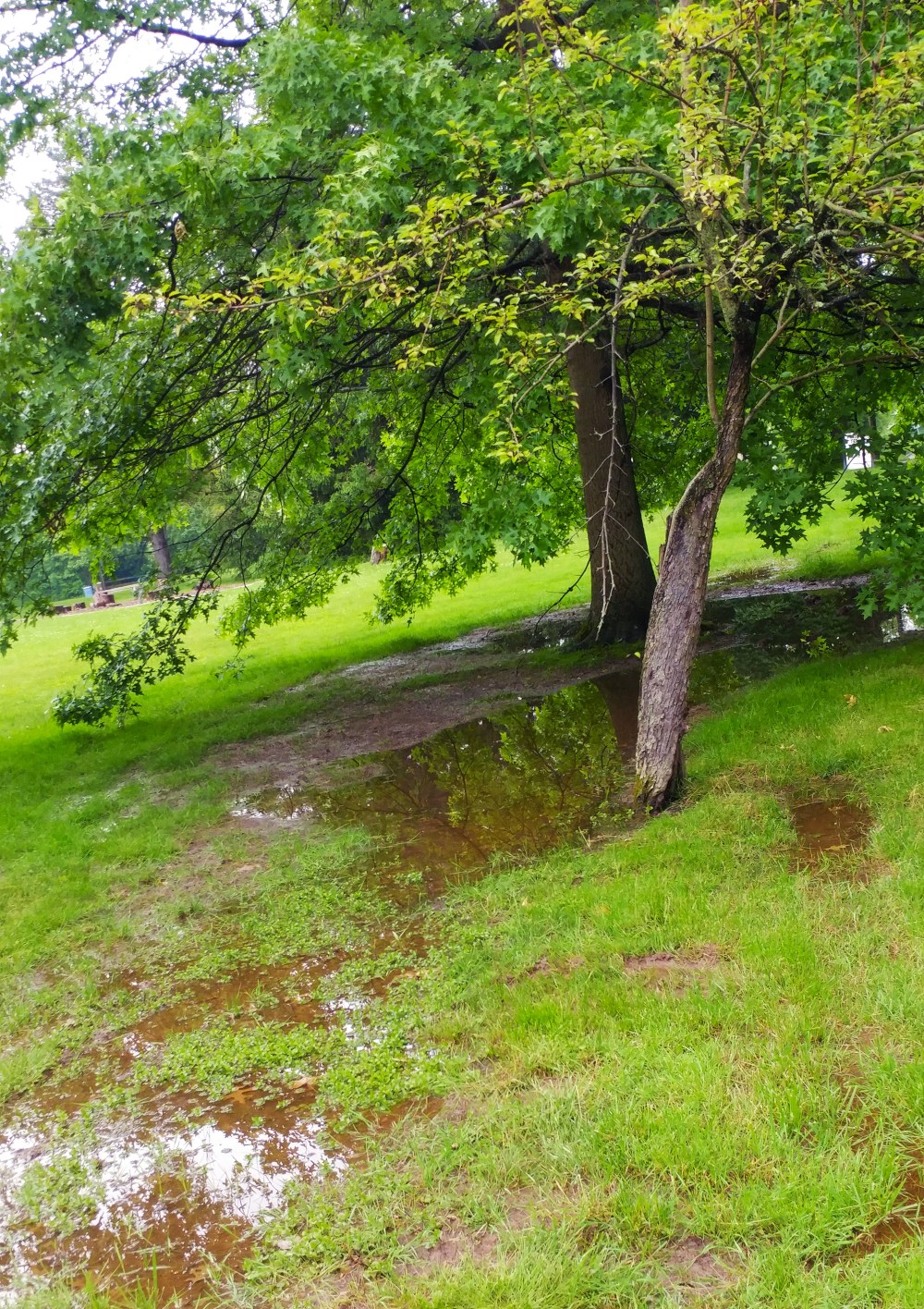
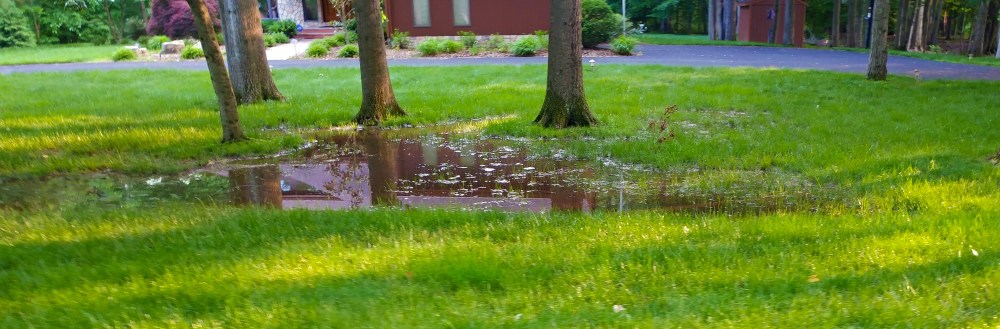
Poor landscaping resulting in a low sport in a yard can become a veritable nursery for mosquito larvae. Photo credit: Dr. Diana Carle
281
An area within a wetlands like this and prone to flooding should be extra mindful of filling depressions in the road and field like this. Photo credit: Dr. Diana Carle
268
Low spots in a lawn that have been continually eroded by rainfall and created a large network of intermittent pools for mosquito breeding. Photo credit: Dr. Diana Carle
281
Any unevenly roads or lawns in a wetlands area are especially prone to accumulating water and creating intermittent pools. Photo credit: Dr. Diana Carle
248
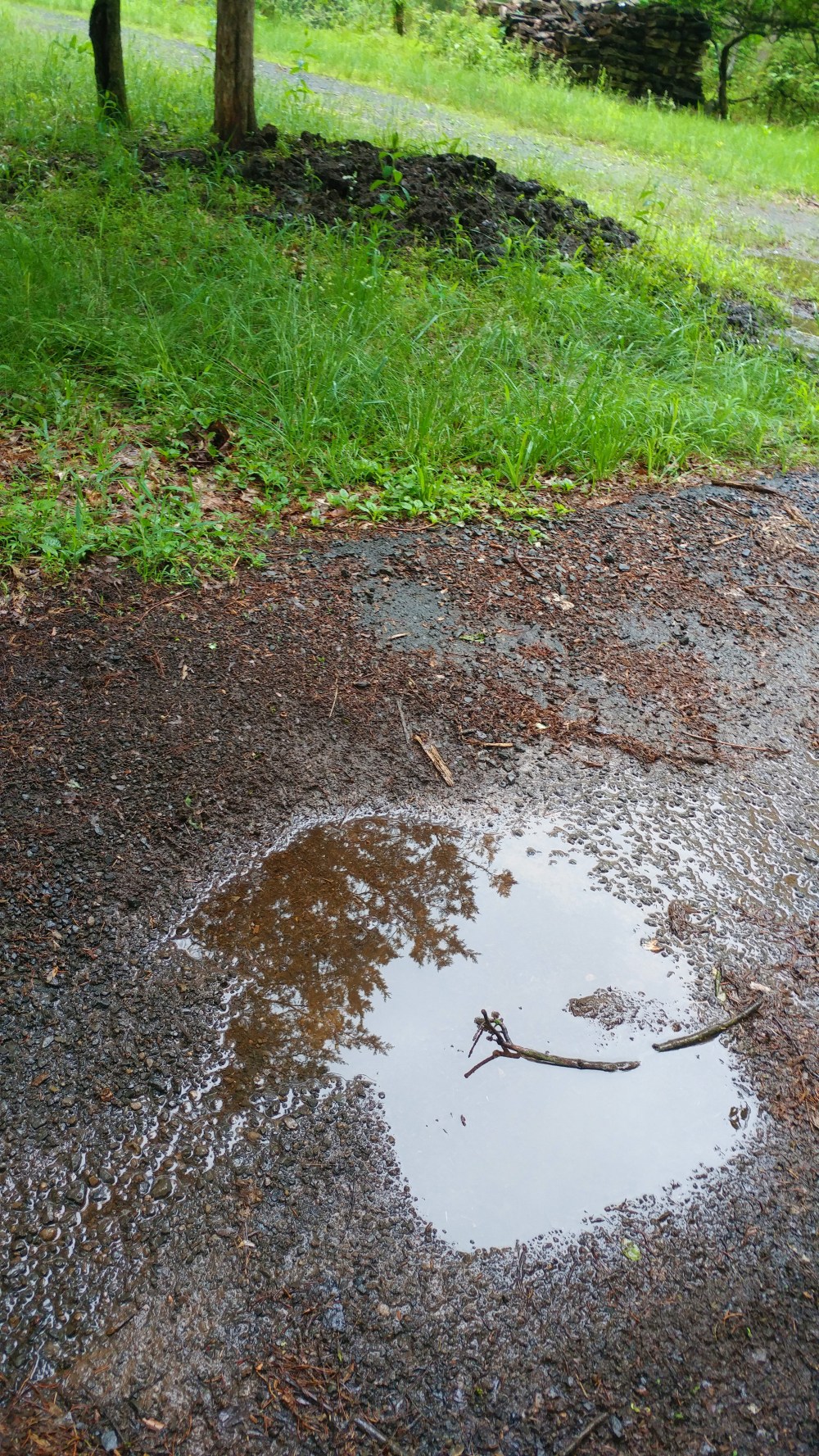
A simple depression in a dirt road might be overlooked as just a mud puddle, when in fact it is prime mosquito breeding habitat. Photo credit: Dr. Diana Carle

264
A roadside field with a depressed area creates a choice intermittent mosquito habitat. Photo credit: Dr. Diana Carle
39
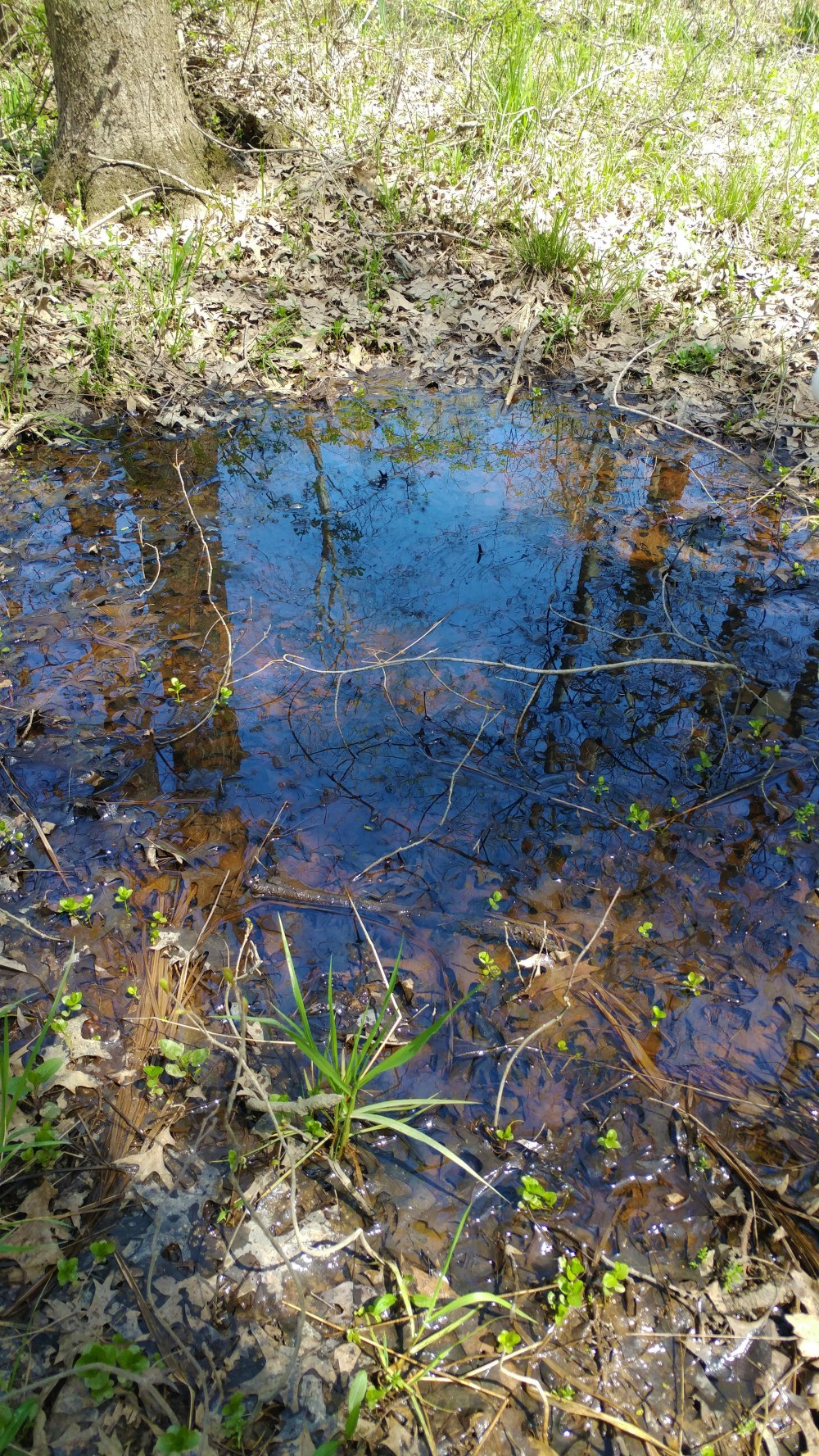
Woodland pools can produce massive numbers of  mosquitoes, especially within an extensive wetlands like this one. Photo credit: Dr. Diana Carle
146
Unevenly laid concrete can create ample mosquito habitat. Photo Credit: Dr. Diana Carle
152
Fields in the lowlands lasting for a week or more can become a prime breeding spot for many floodwater mosquitoes. Photo credit: Dr. Diana Carle
266
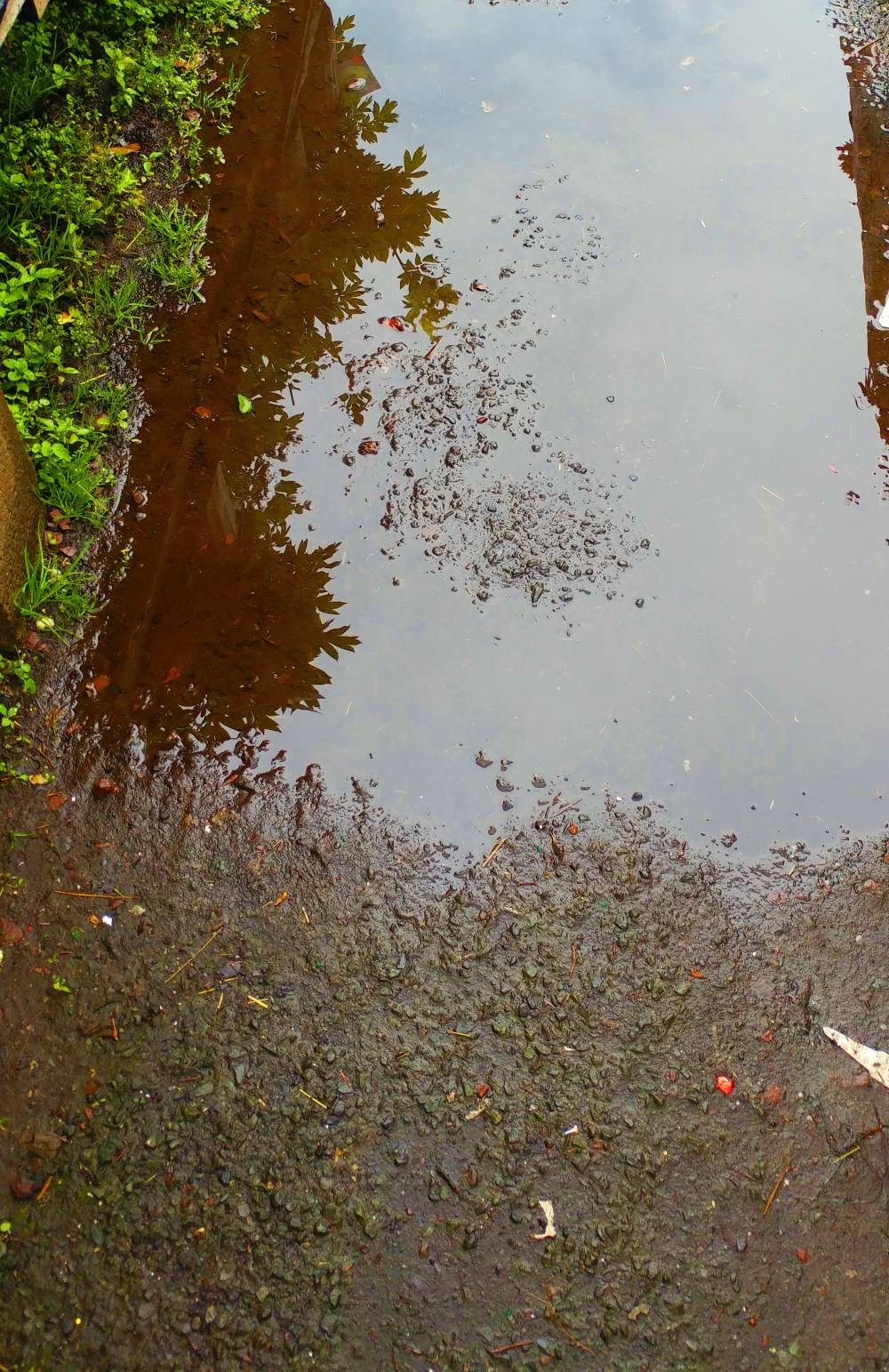
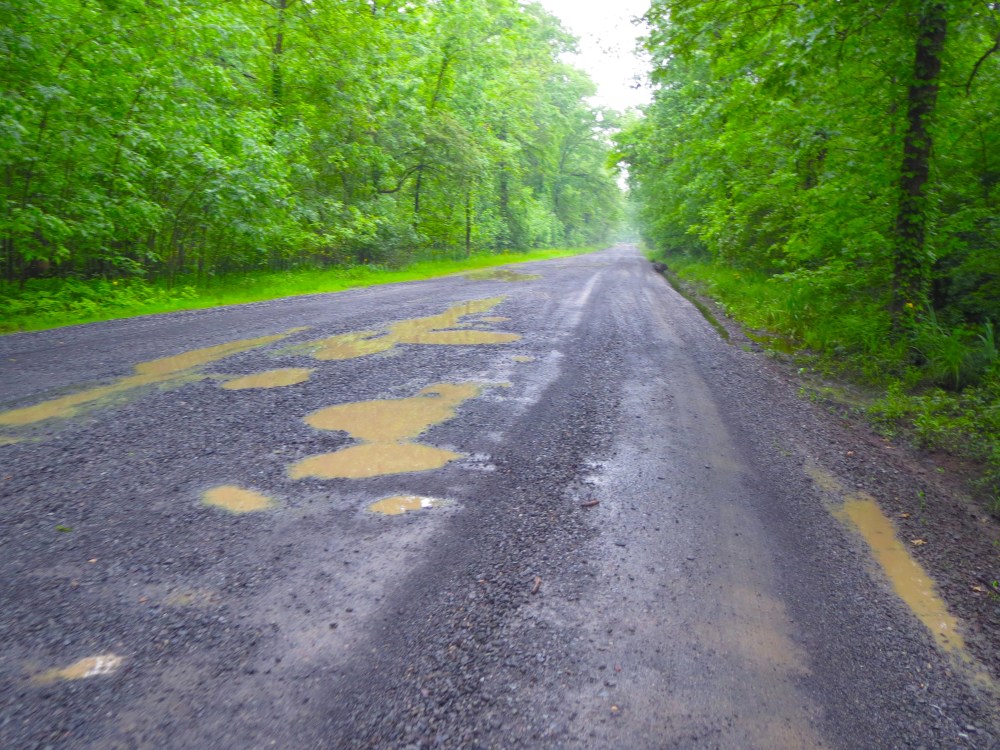
A shallow ditch in a stone road can also pose a risk for mosquito breeding. Photo Credit Dr. Diana Carle
258
Forested roadside ditches provide abundant nutrients for mosquito larvae from the plentiful decaying plant matter in the water. Photo credit: Dr. Diana Carle
263
Dirt or stone roads prove especially prone to developing potholes which can breed mosquitoes. Photo credit: Dr. Diana Carle
259
Tire ruts on a dirt road can result in transient pool habitats. Photo credit: Dr. Diana Carle
226
Poorly maintained roads creating a number of mosquito habitats. Photo credit: Dr. Diana Carle