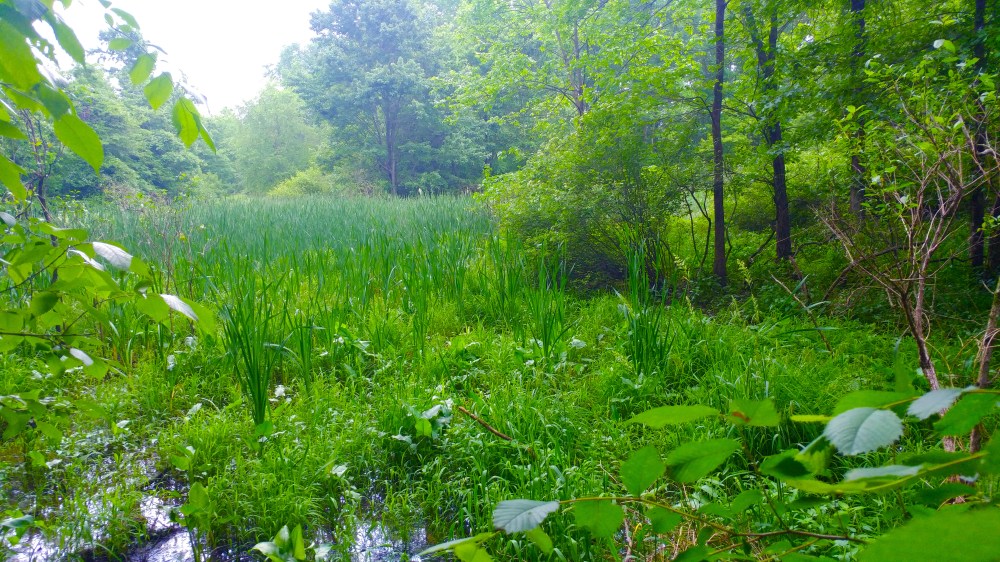
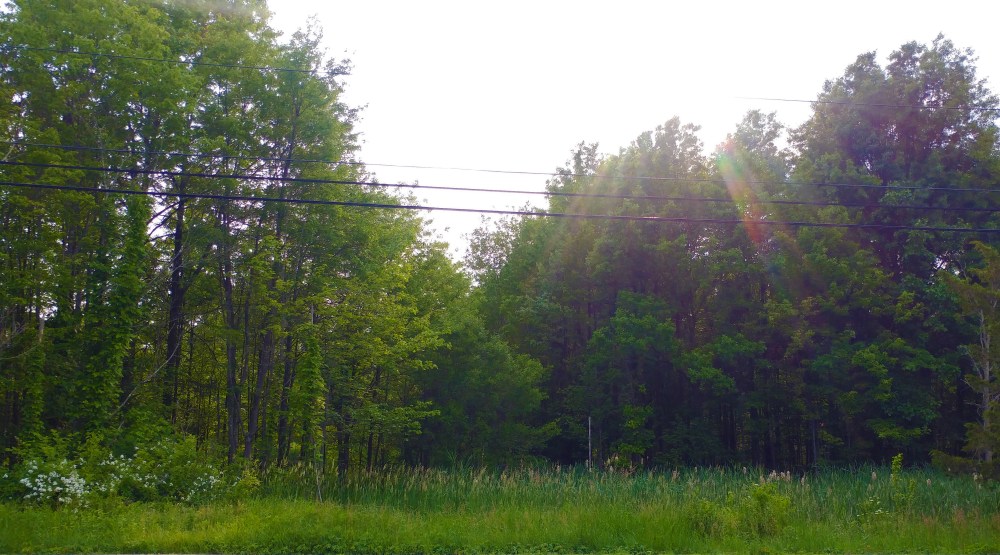
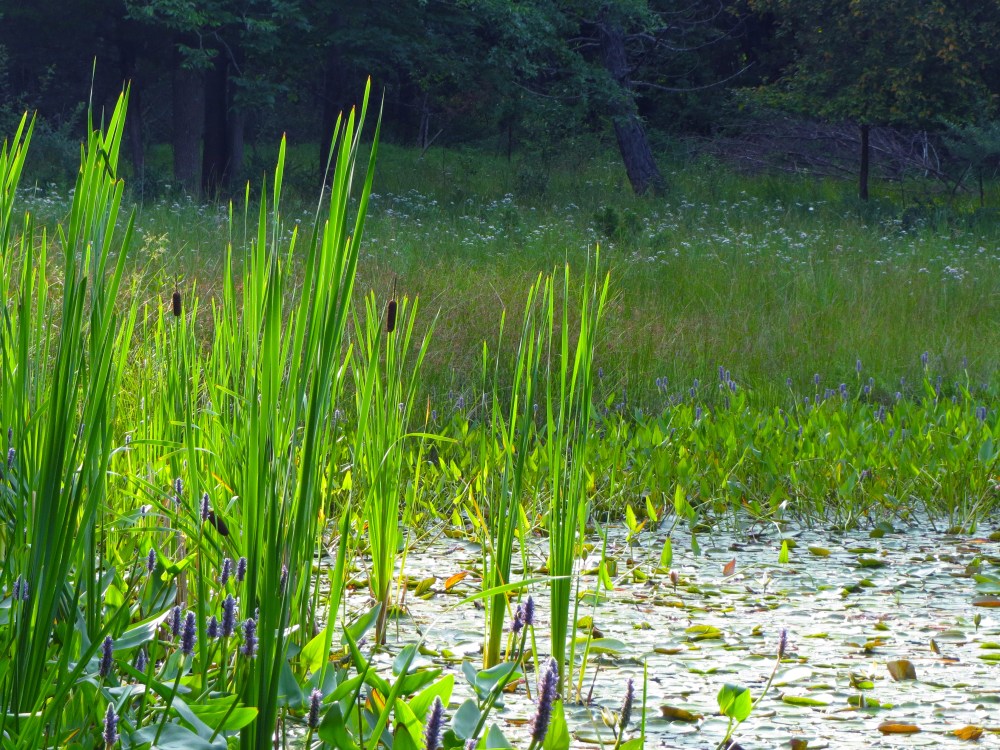
The cattail mosquito, Coquillettidia perturbans, is found throughout NJ’s ponds and swamps which support cattails and other round stemmed vegetation that the larvae can use as a sort of straw to breath through. The larvae accomplish this through a modified hook-like air tube which they use to pierce the stems of underwater vegetation and breath using the plants’ inner air-filled chambers. This is an incredible evolutionary advantage which allows them to remain submerged and hidden not having to come to the surface to breath and expose themselves to predators as other mosquito species do. This species is a vector of West Nile Virus and Eastern Equine Encephalitis making understanding its larval habitat and ecology vitally important.
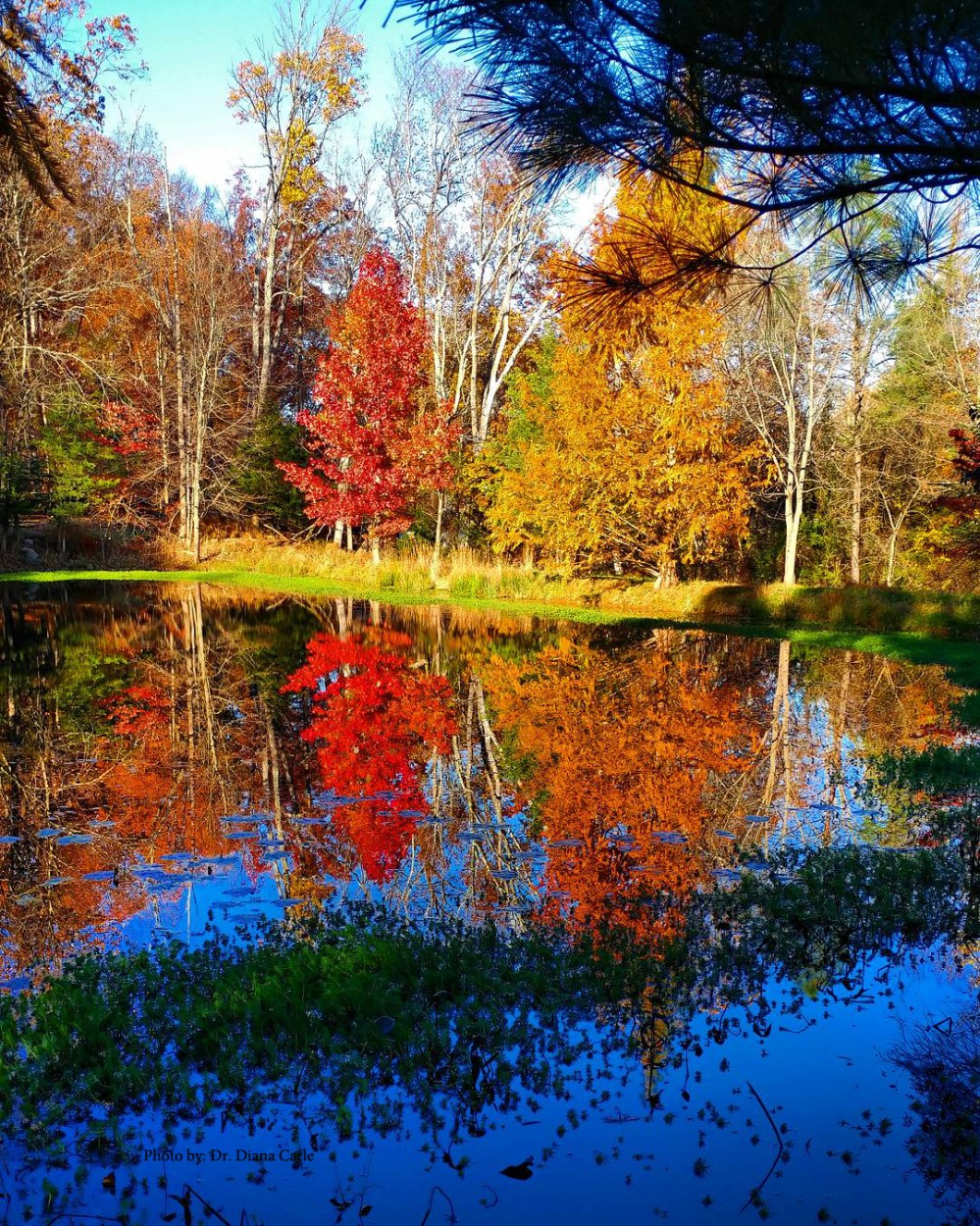
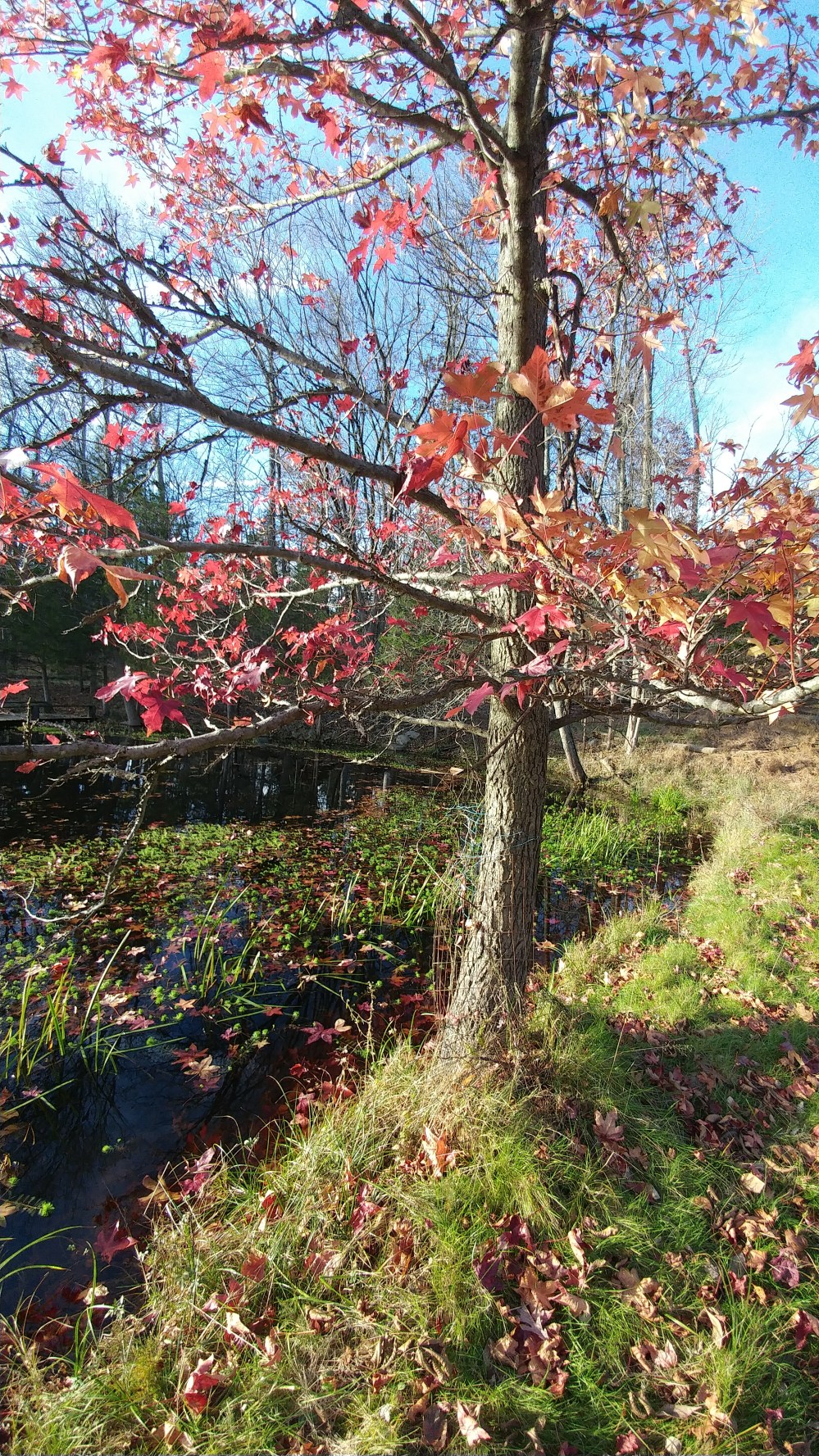
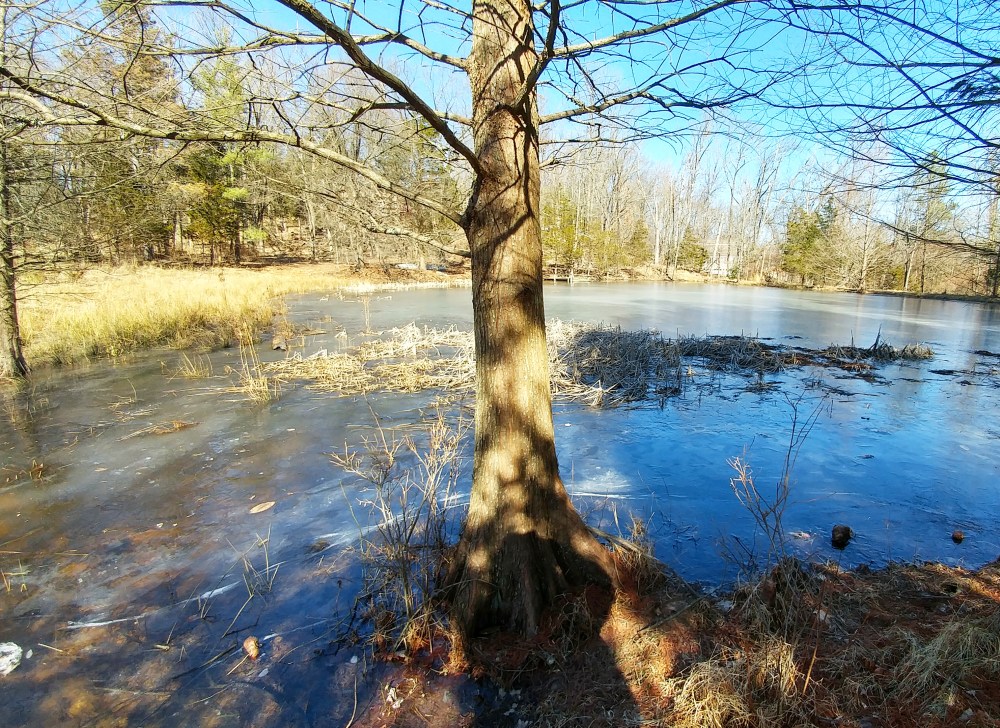
Cattail Ponds and Swamps Throughout the Year
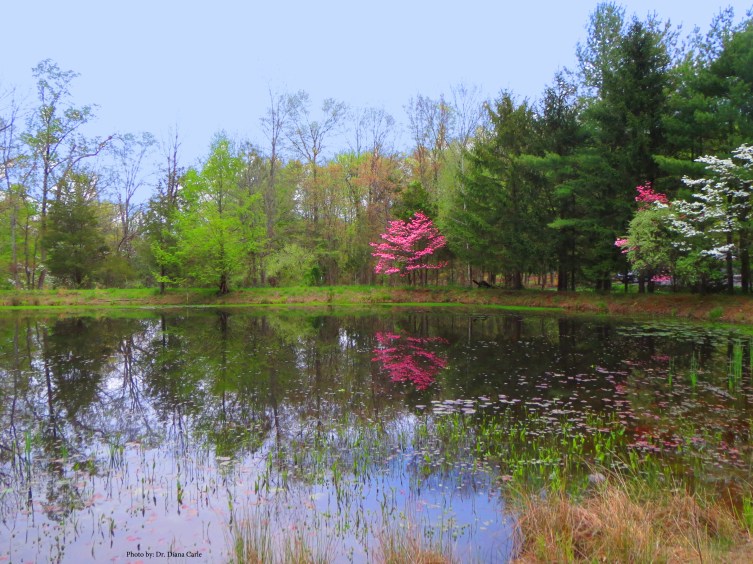
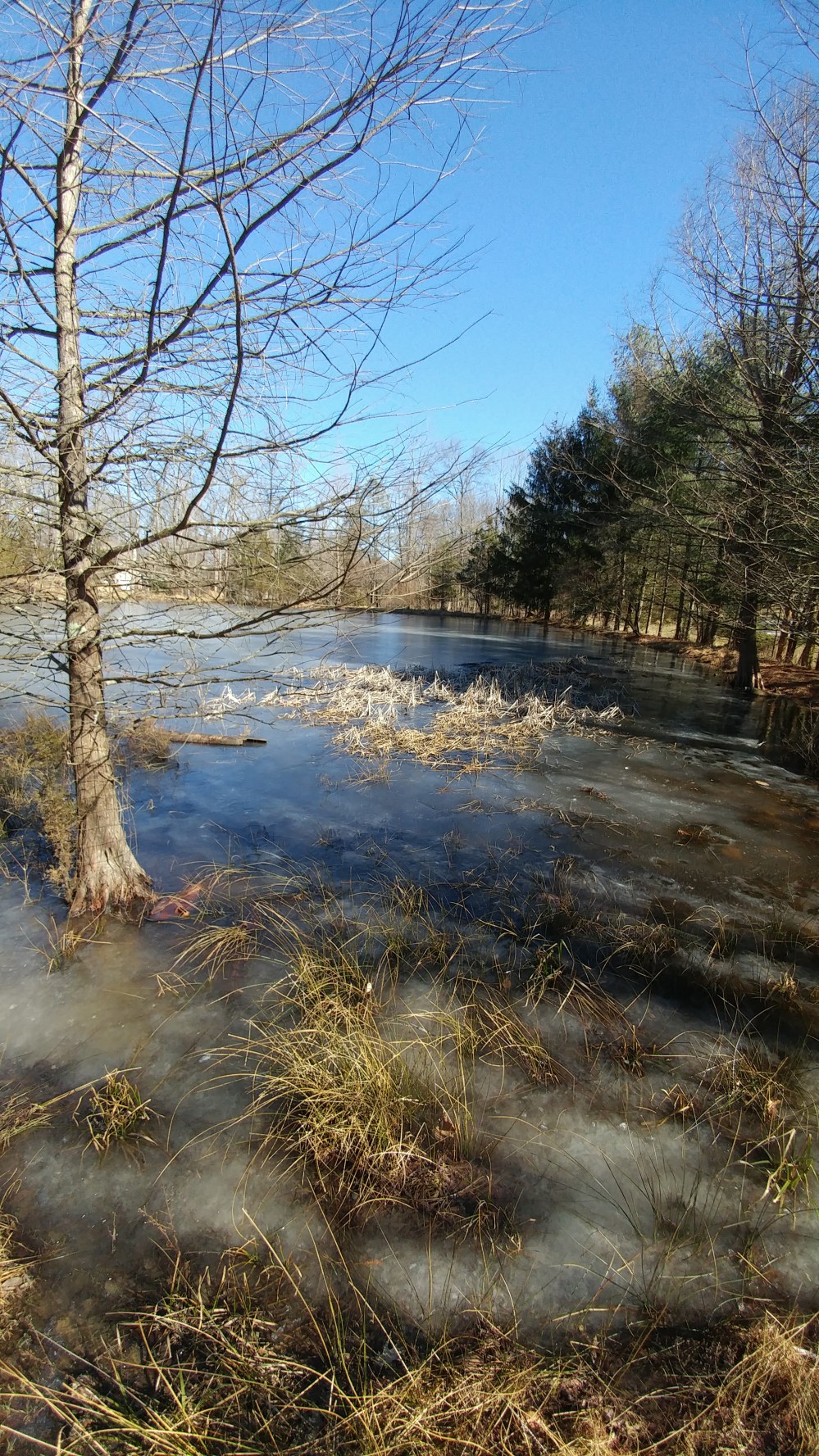
Cq. perturbans can be found in stand alone ponds or lakes or those situated within vast swamps or bogs. This species overwinters as a larva in permanent water habitats in a state of suspended animation, usually as an early instar. This species can technically be collected year-round, but spring is typically the best time to collect them as you will find the highest abundance of late instar larvae after they break their diapause and prepare for the first emergence of the year. This species is thought to be univoltine with a staggered emergence throughout the season, making it a persistent vector.




 Diana Carle, PhD