Flowering plants and the insects that pollinate them have have long history of complex interactions that have shaped our world, from many of the delicious foods we eat like chocolate, almonds, apples and so many more, to the array of beautiful flowers that decorate our yards and fields. Domestic honeybees only make up a fraction of insect pollinators, many native insects in our environment like wild bees, butterflies, wasps, flies, beetles, and ants do the hard work of pollinating our plants. Recently however, habitat destruction and the subsequent loss of flowers for adults to feed on or leaves for larvae to eat has led to the creation of pollinator food desserts and malnourished pollinators poorly equipped to fight off infections and other threats. Caring for our pollinators is one of the most important environmental issues of our time, and the solution is easily in all of our hands.
Whether you are a gardening maven, have a small potted balcony garden, or have no green thumb what so ever, there are things you can do to help nurture our pollinators. And perhaps even more importantly your garden will nurture you in return.
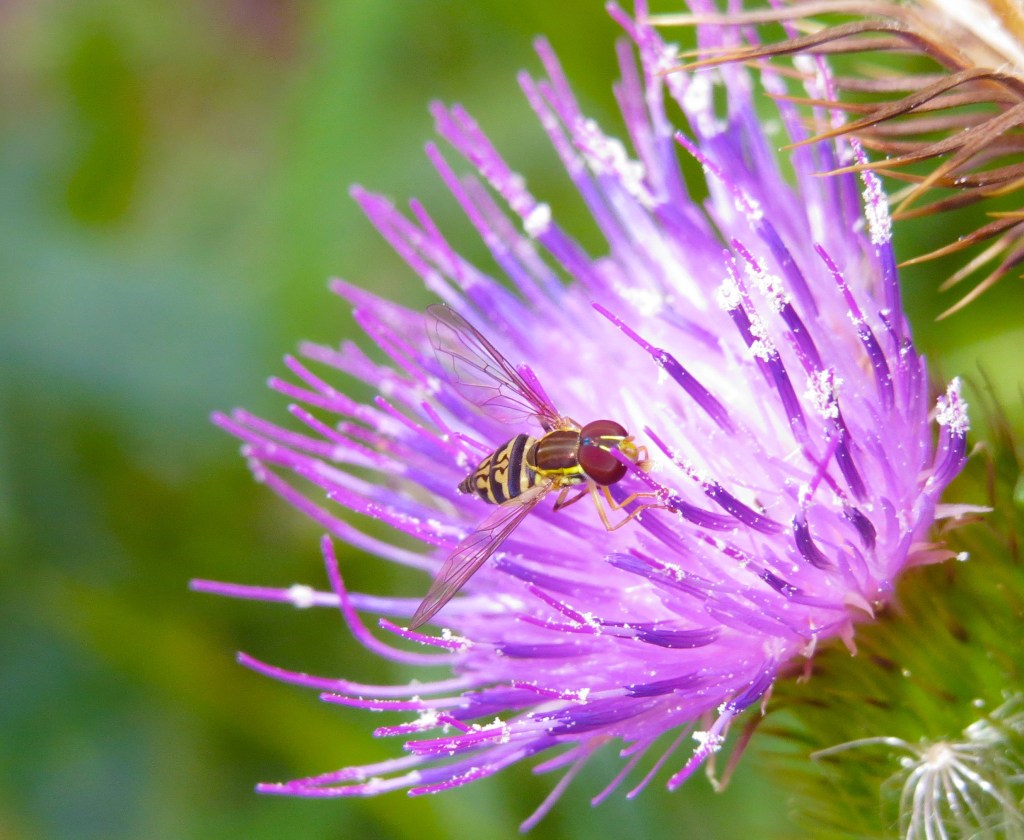
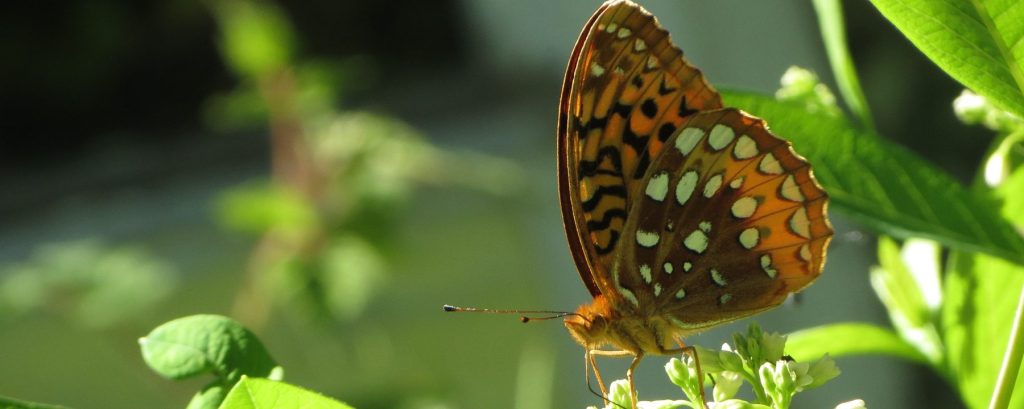
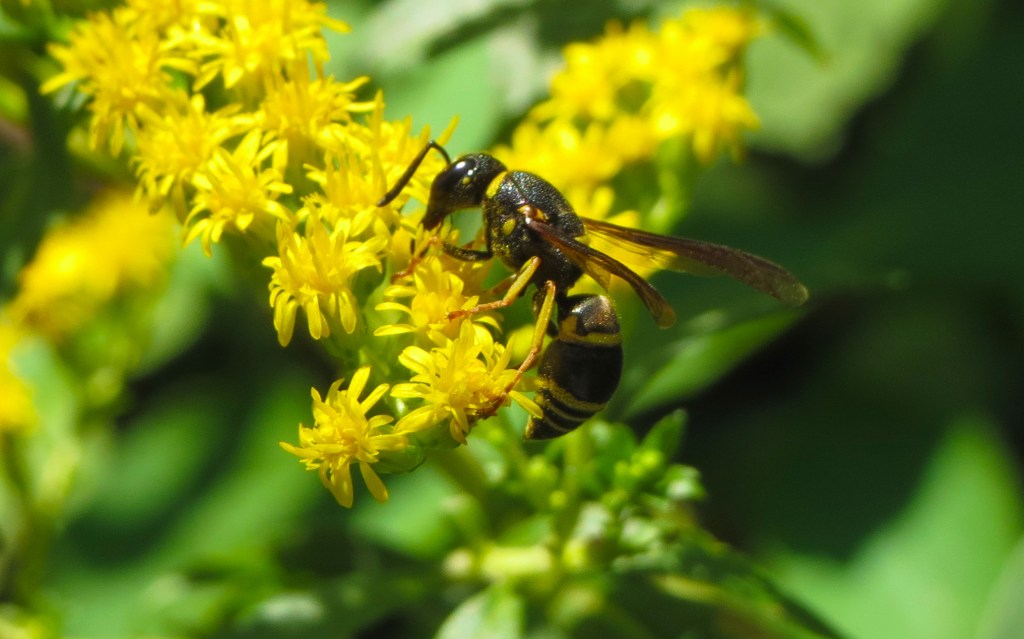
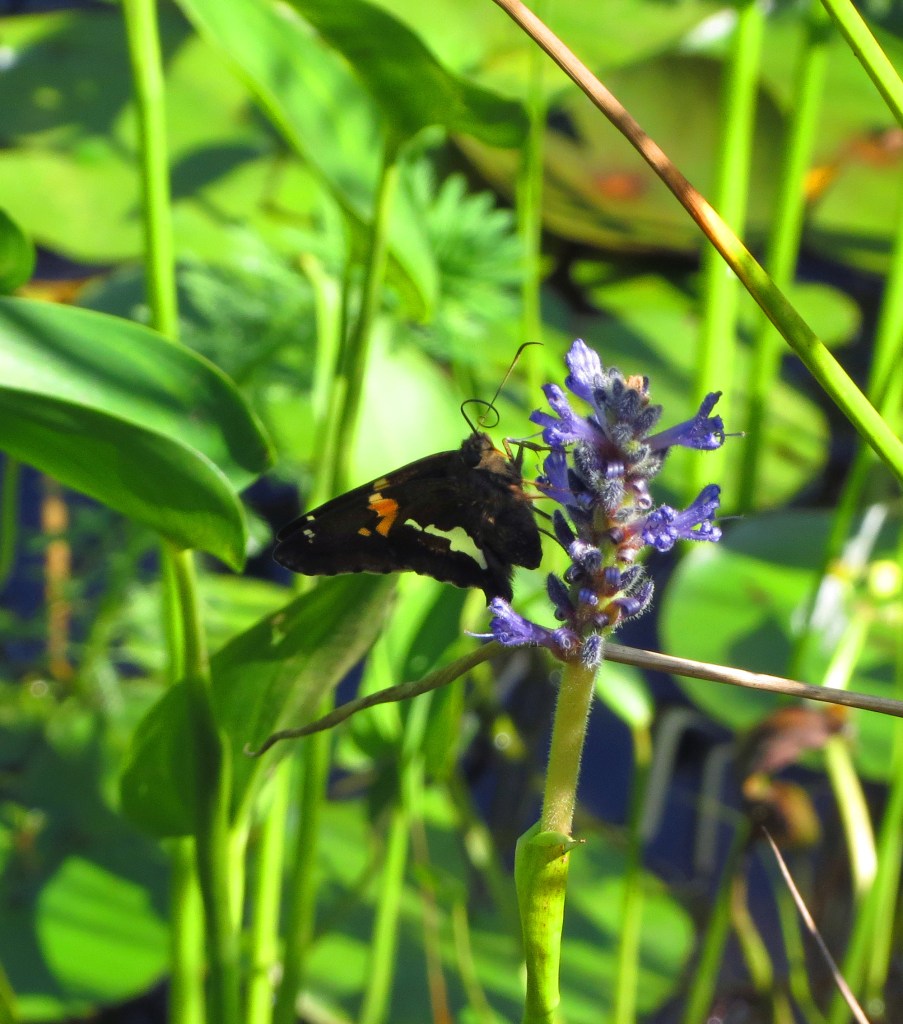
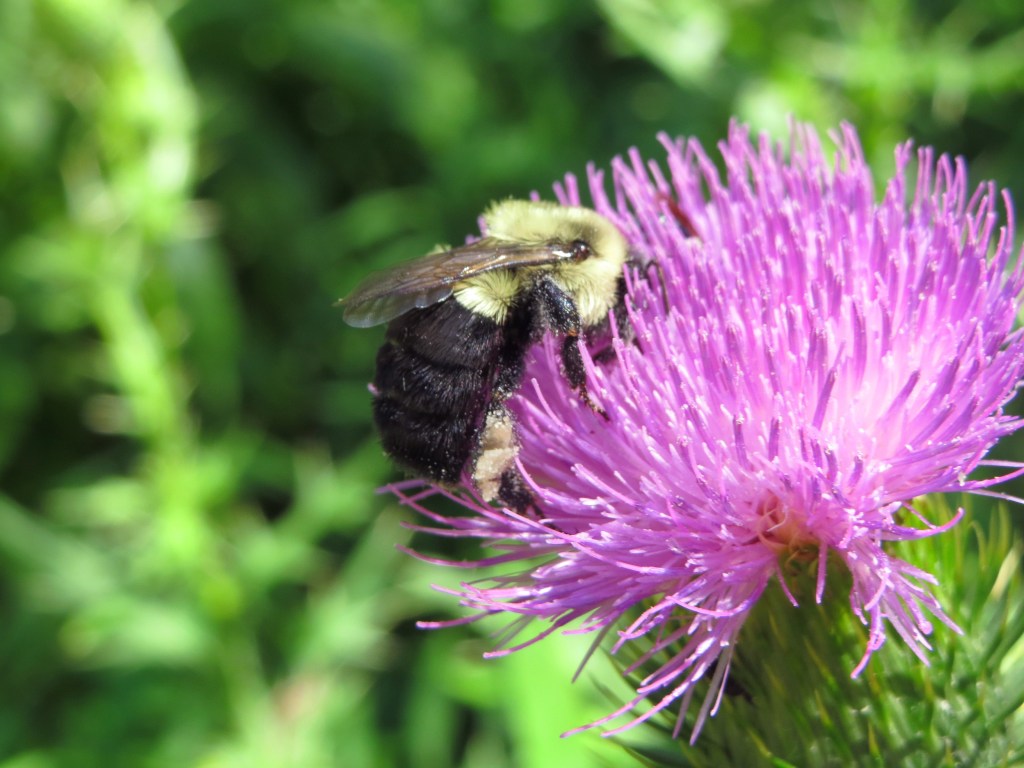
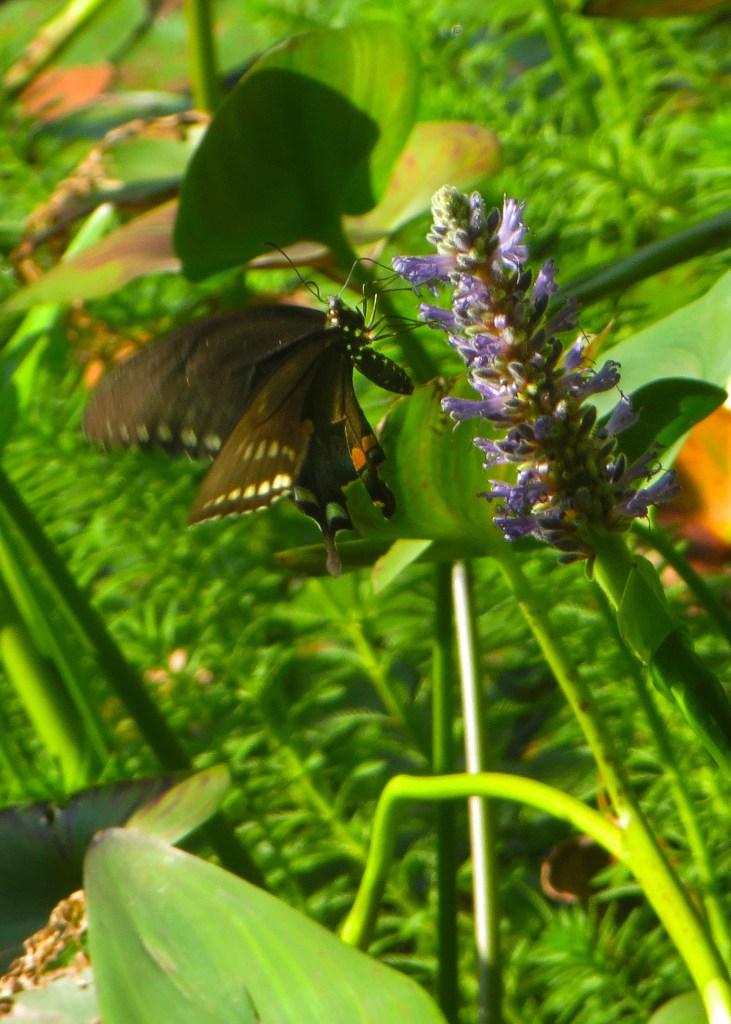
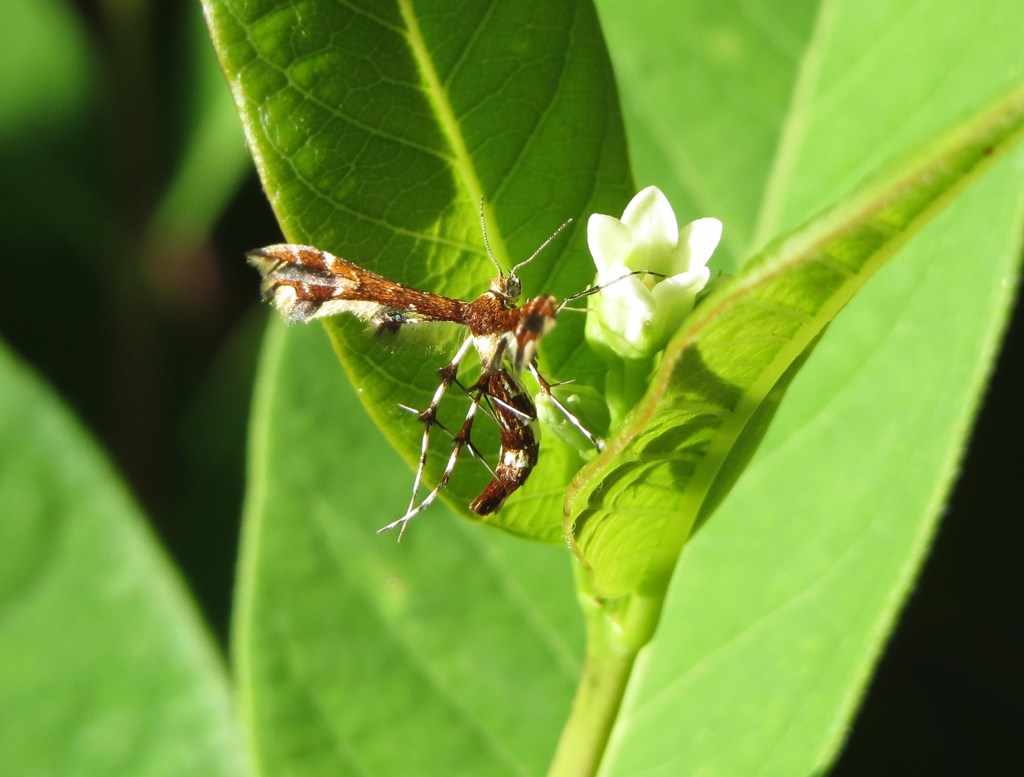
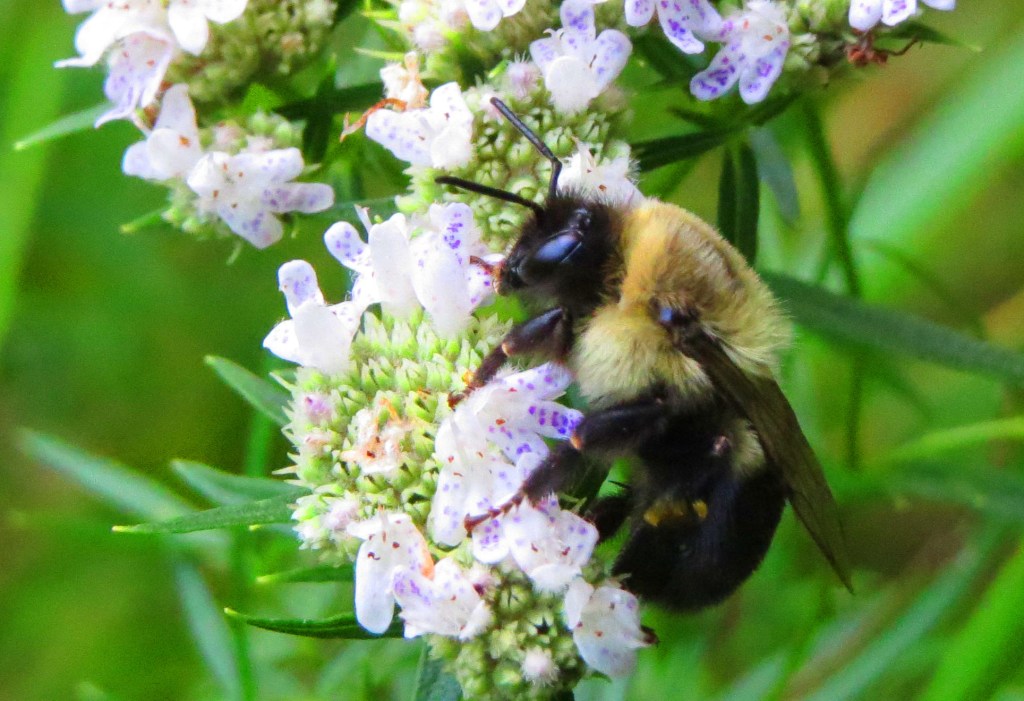
Starting Your Own Pollinator Garden
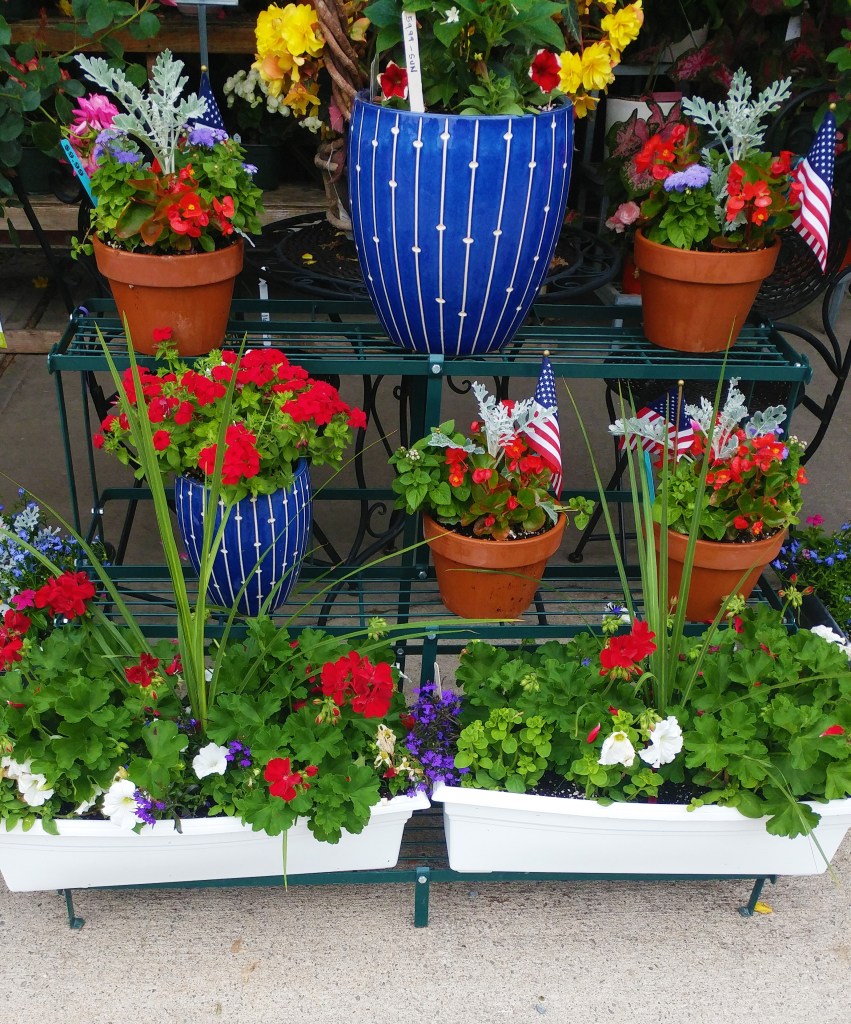
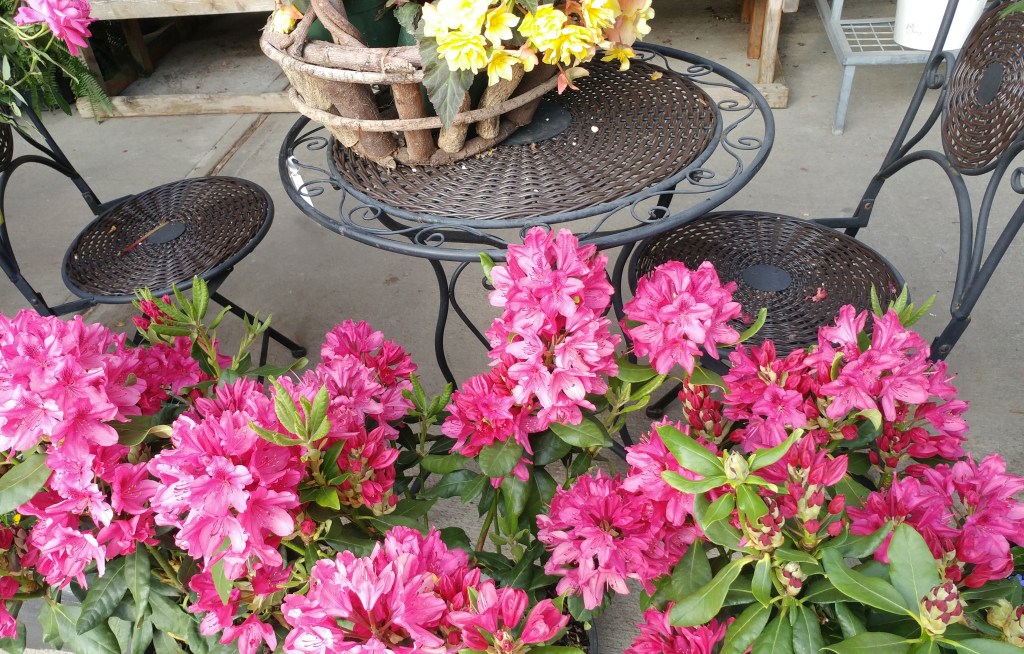
Creating and maintaining a pollinator garden can be as simple as setting up a few potted plants on your balcony or working on a community garden to as involved as multiple beds or a whole front yard or rooftop brimming with flowers. No matter the size of your garden the most essential question to ask is, will this plant provide good nutrition to pollinators?
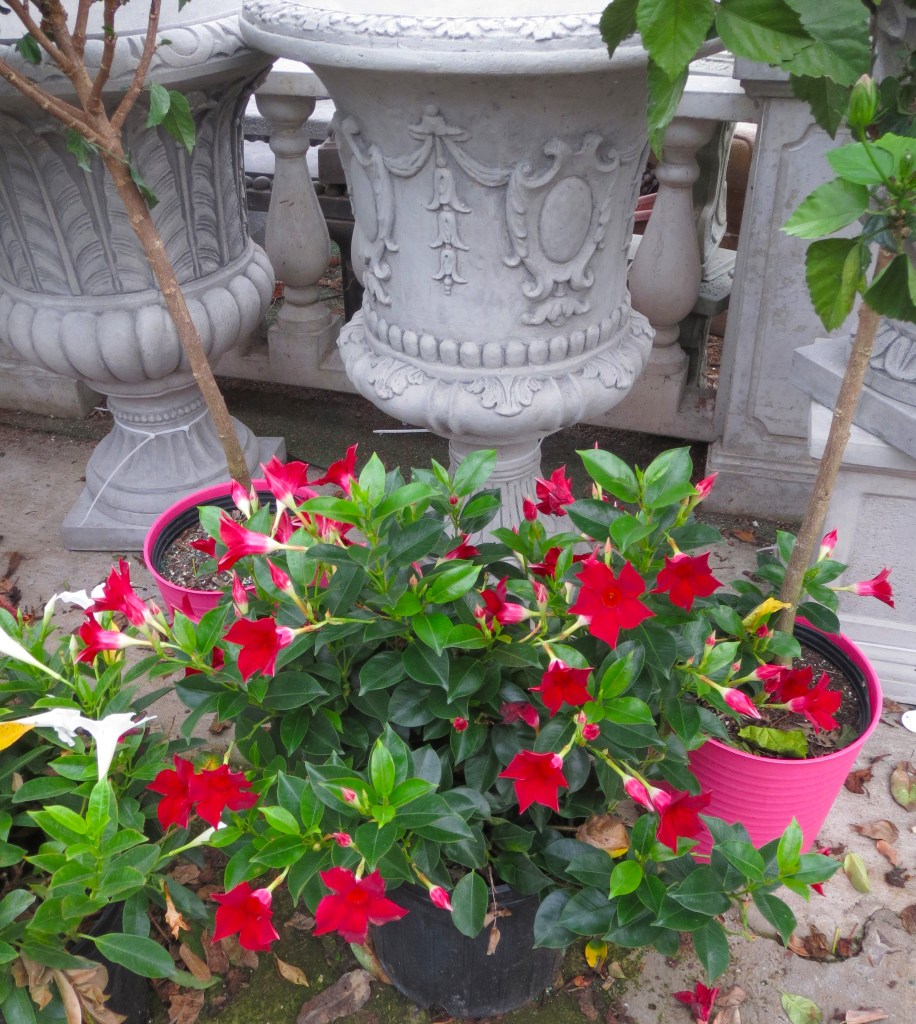
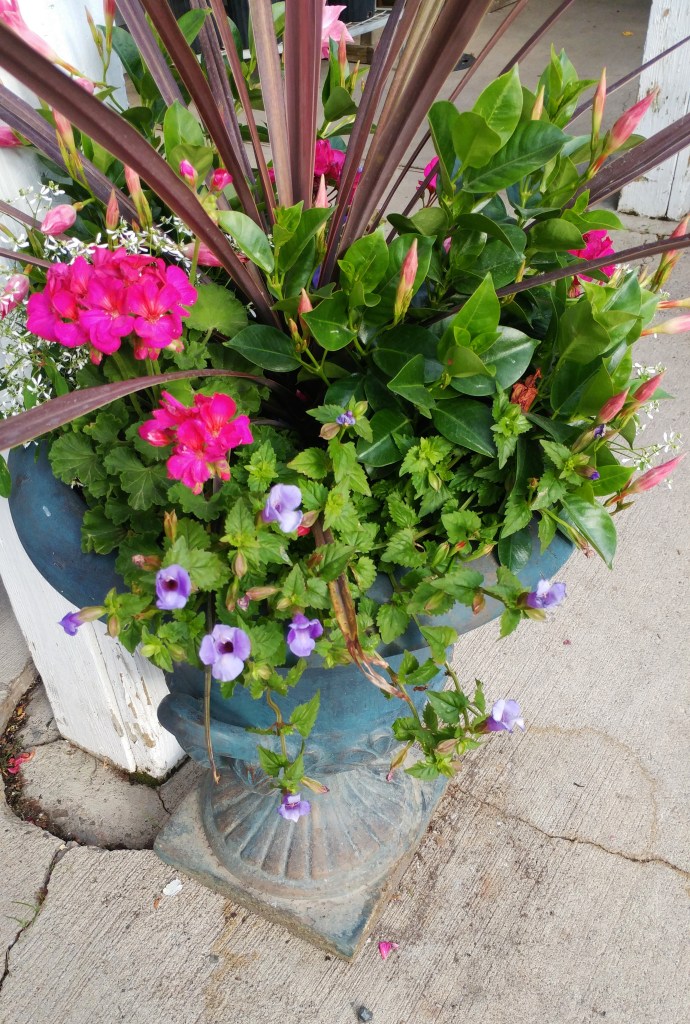
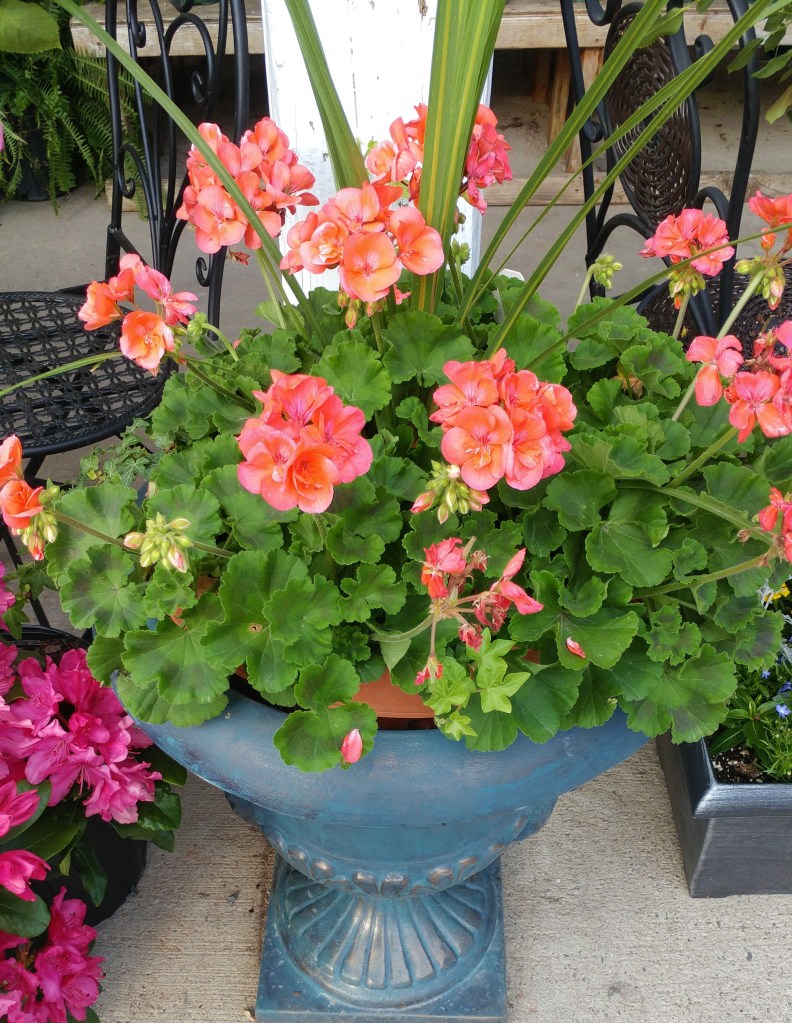
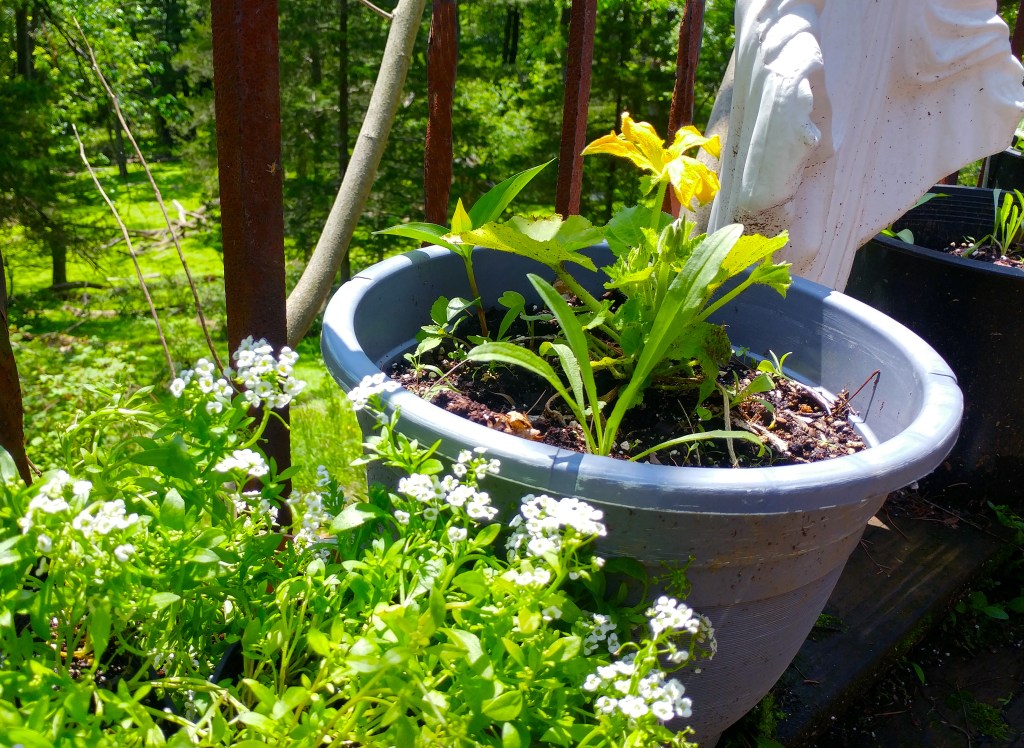
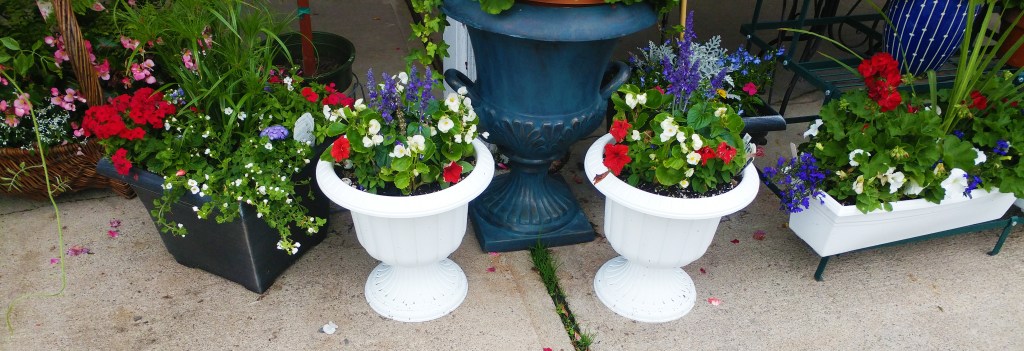
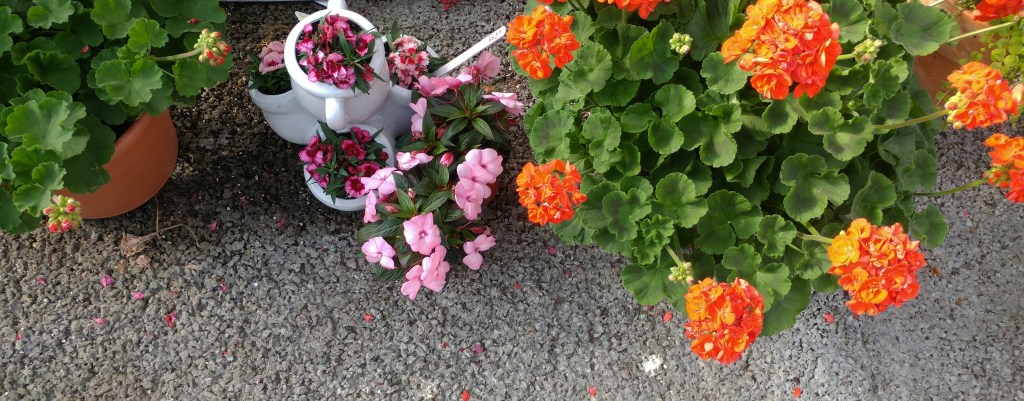
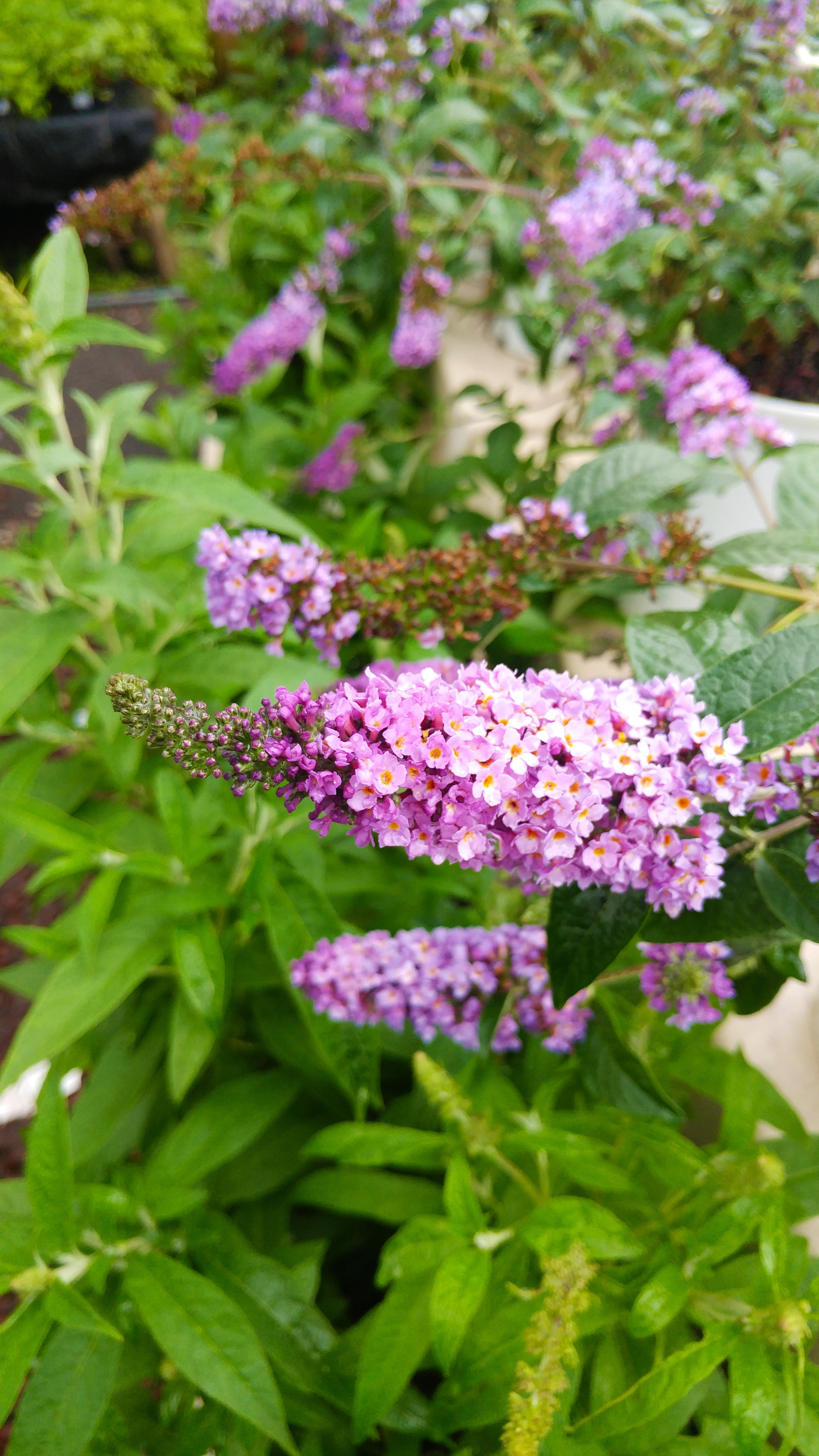
And, just as critical is whether or not the plant is considered, “invasive” in your region. “Invasive,” means that a plant can cause considerable damage either directly or indirectly to the native flora or fauna. For a list of invasive plants in North America you can visit the Invasive Plant Atlas.
A popular example of this is butterflybush, a species native to China that was brought to North America as an ornamental plant. The bush does not provide nourishment for caterpillars, and it can readily outcompete native flowering plants which do provide essential food for caterpillars as well as adults, making this a bad a choice for a pollinator friendly garden. Lastly, to find out if your flowers will overwinter as perennials or annuals in your region you can refer to the USDA Plant Hardiness Zone Map.
6 Principles of a Pollinator Friendly Garden
1) Includes flower varieties that bloom from early spring through late fall to provide a steady supply of nourishment throughout the season. Flowers blooming all growing season long offer sustenance to those species just coming out of hibernation in early spring to those storing food for hibernation in late fall.
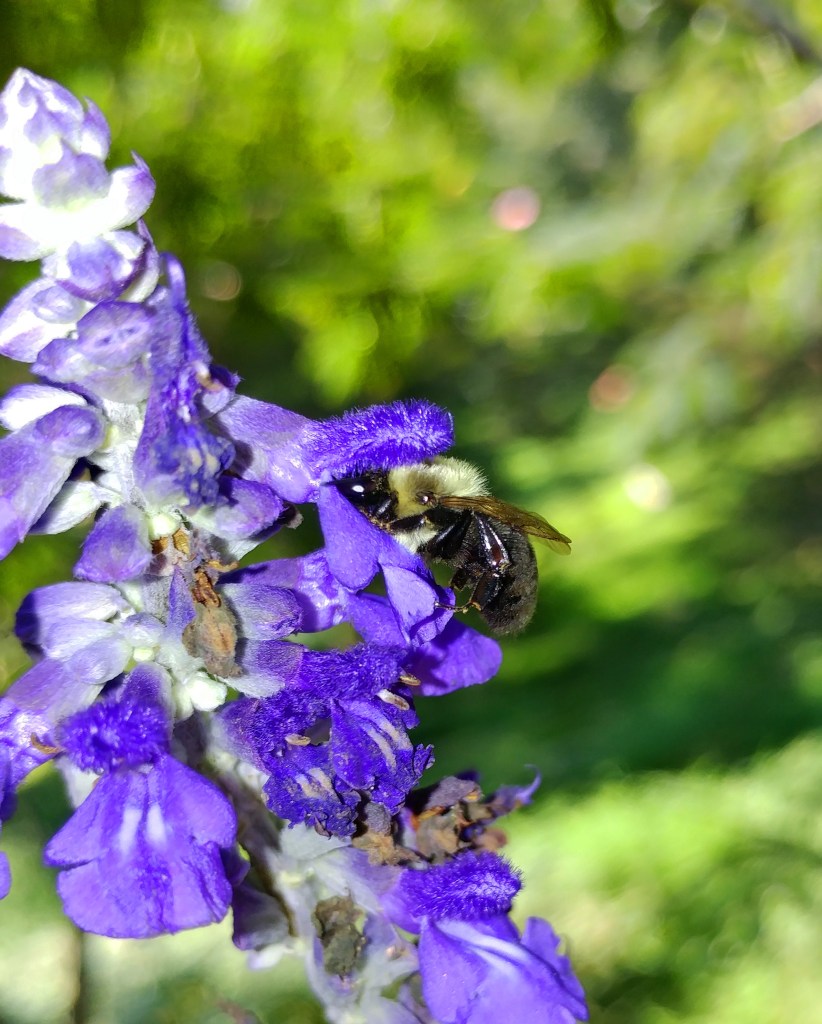
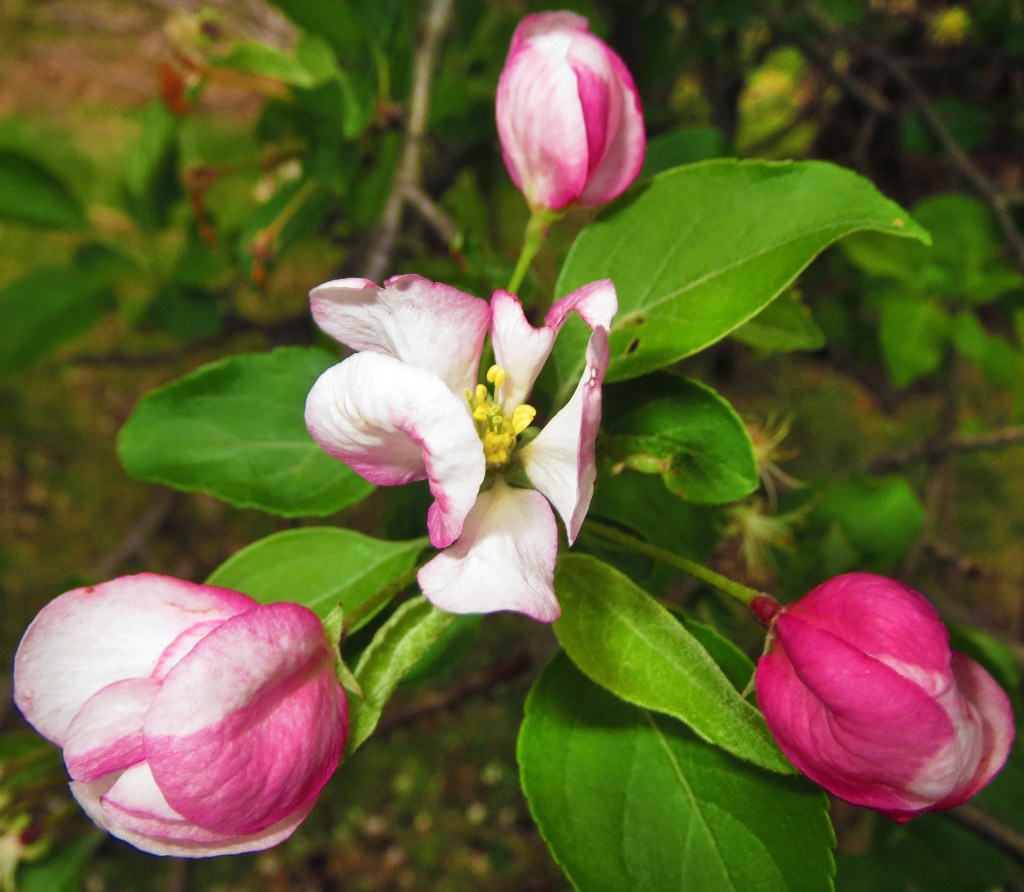
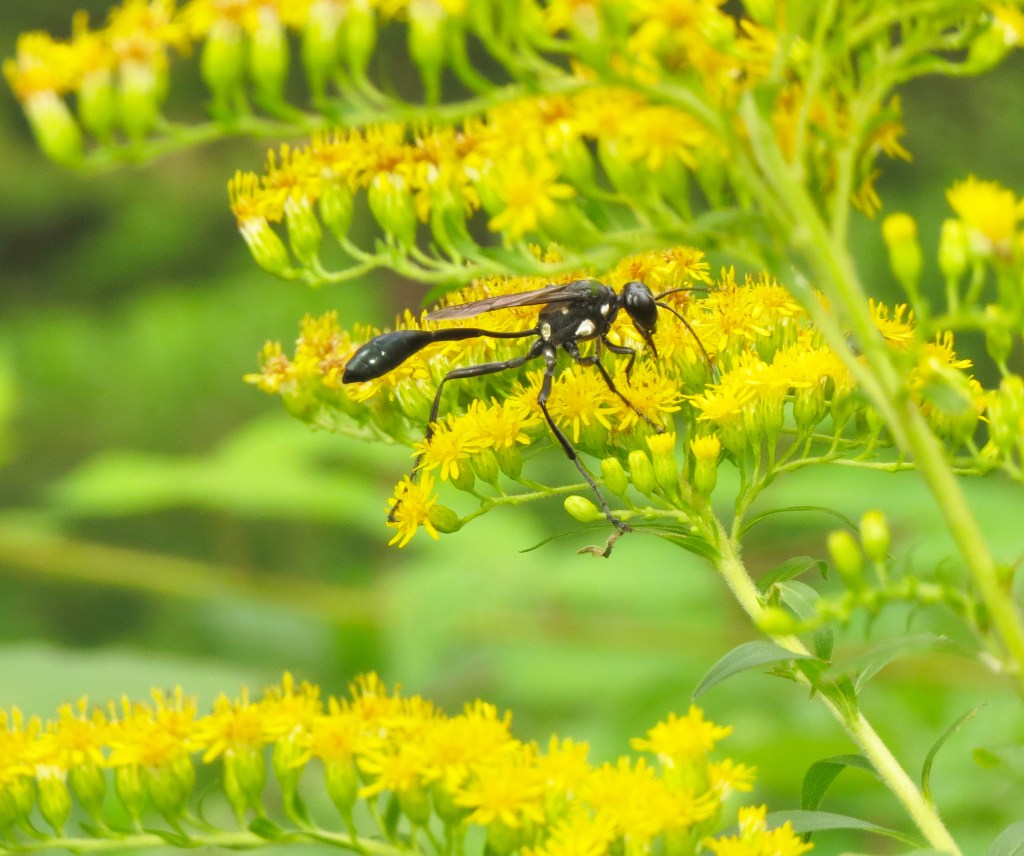
2) Has a diversity of colors that will attract pollinators that favor specific colors. For example, hummingbirds are very attracted to red flowers, while bees are most attracted to blue, purple, and violet, white, and yellow flowers.
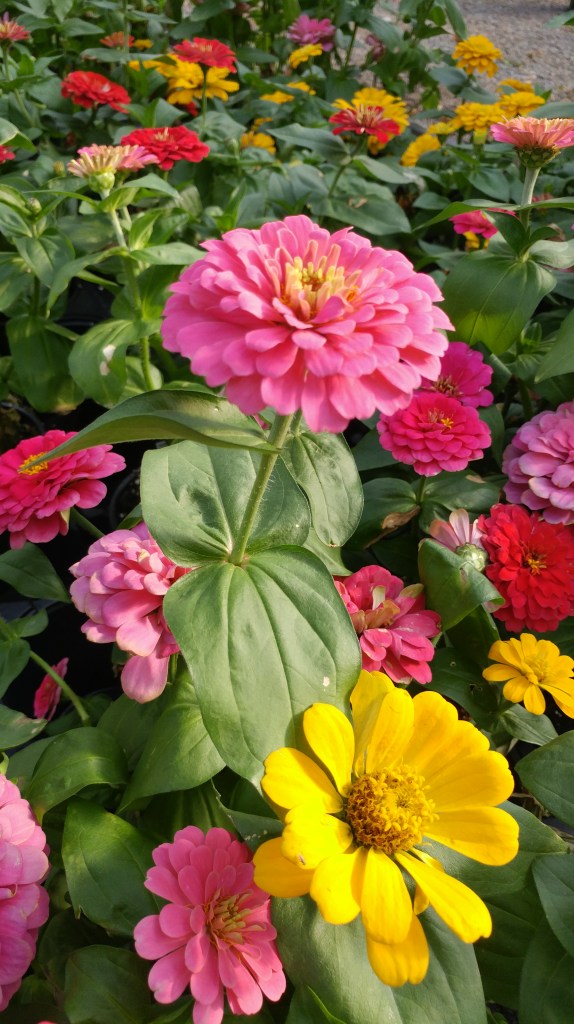
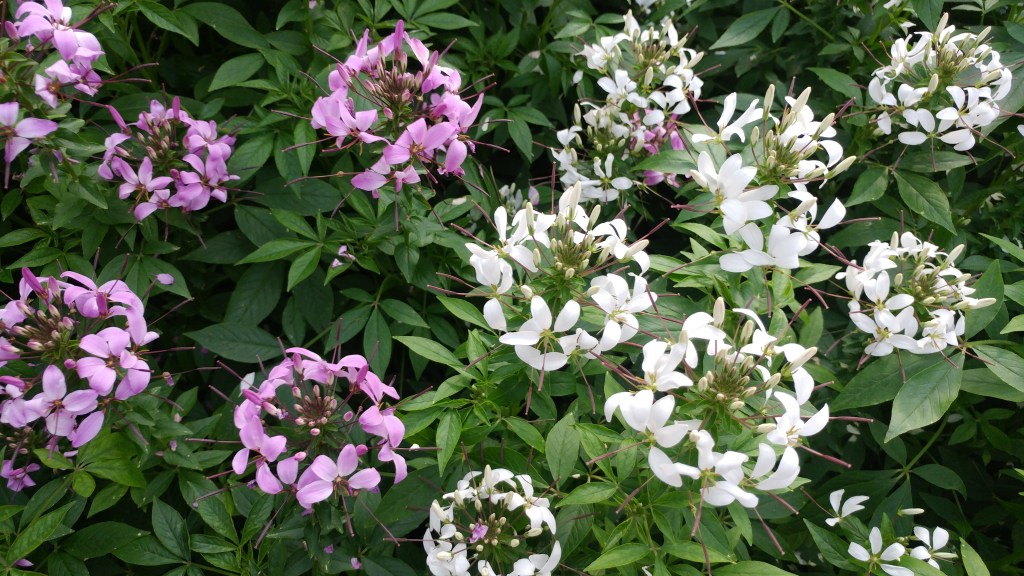

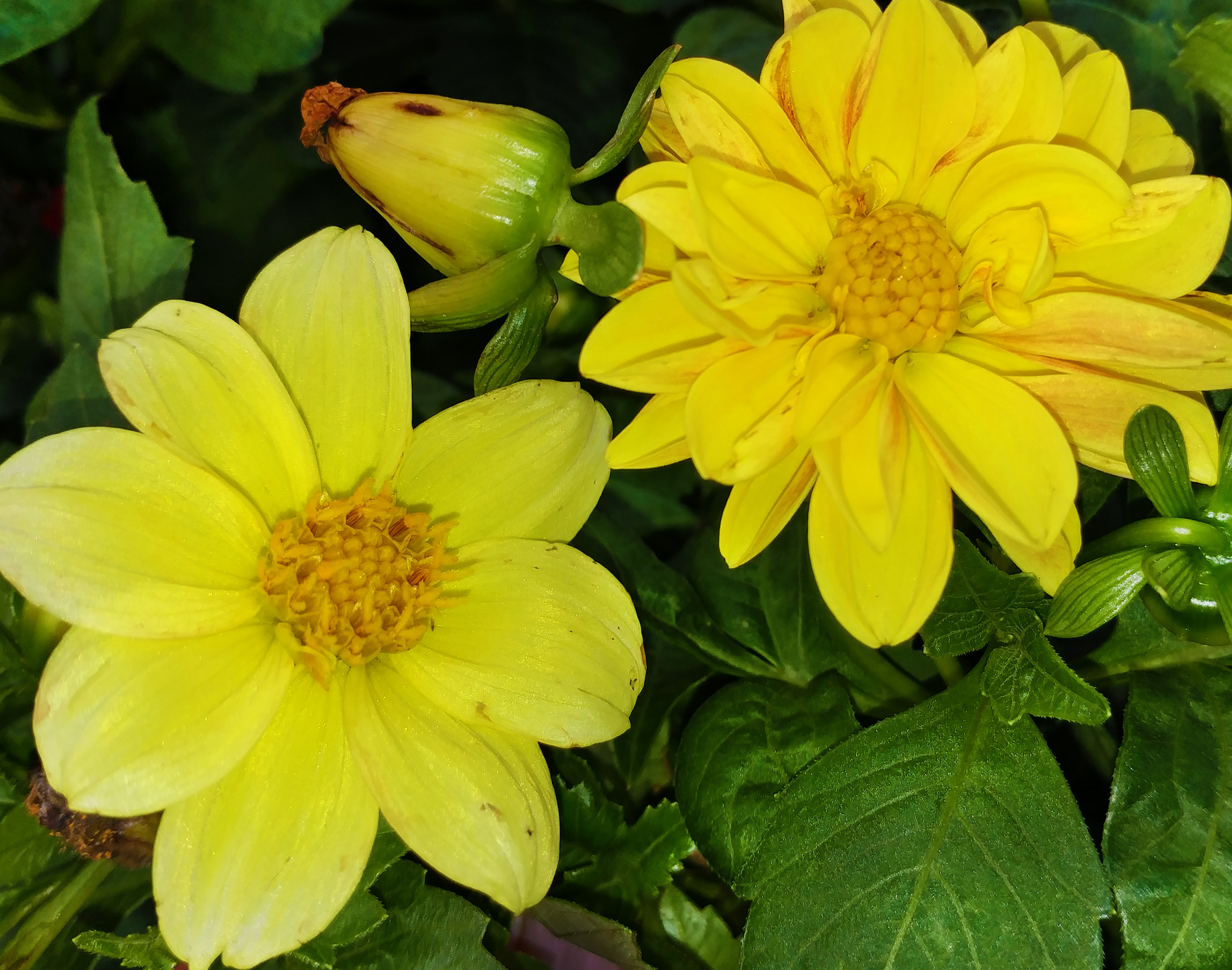
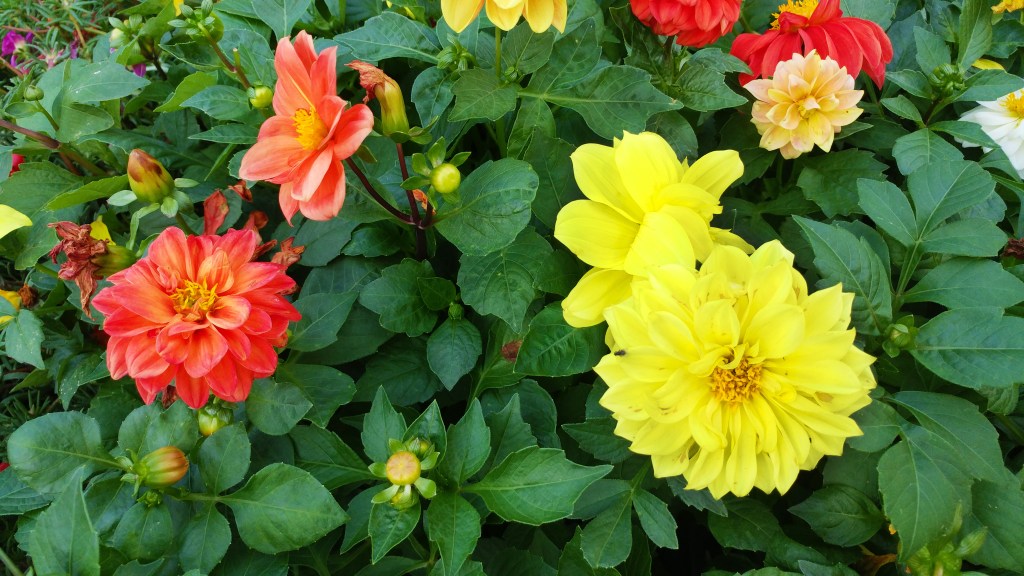
3) Includes rich pollen and nectar sources for adult pollinators, as well as host plants for insect pollinator larvae. An easy way to choose flowers that are good pollen sources is to opt for varieties that have less petals like the dahlia on the left below. These flowers tend to be more natural and have more pollen holding structures at the center of the flower (anthers) making them an abundant source of amino acids for pollinators. Growers however have created hybrid varieties with a fuller look by selectively breeding flowers with more petals instead of anthers, like the dahlia on the right below, which subsequently bare less pollen and provide less nutrition for pollinators.
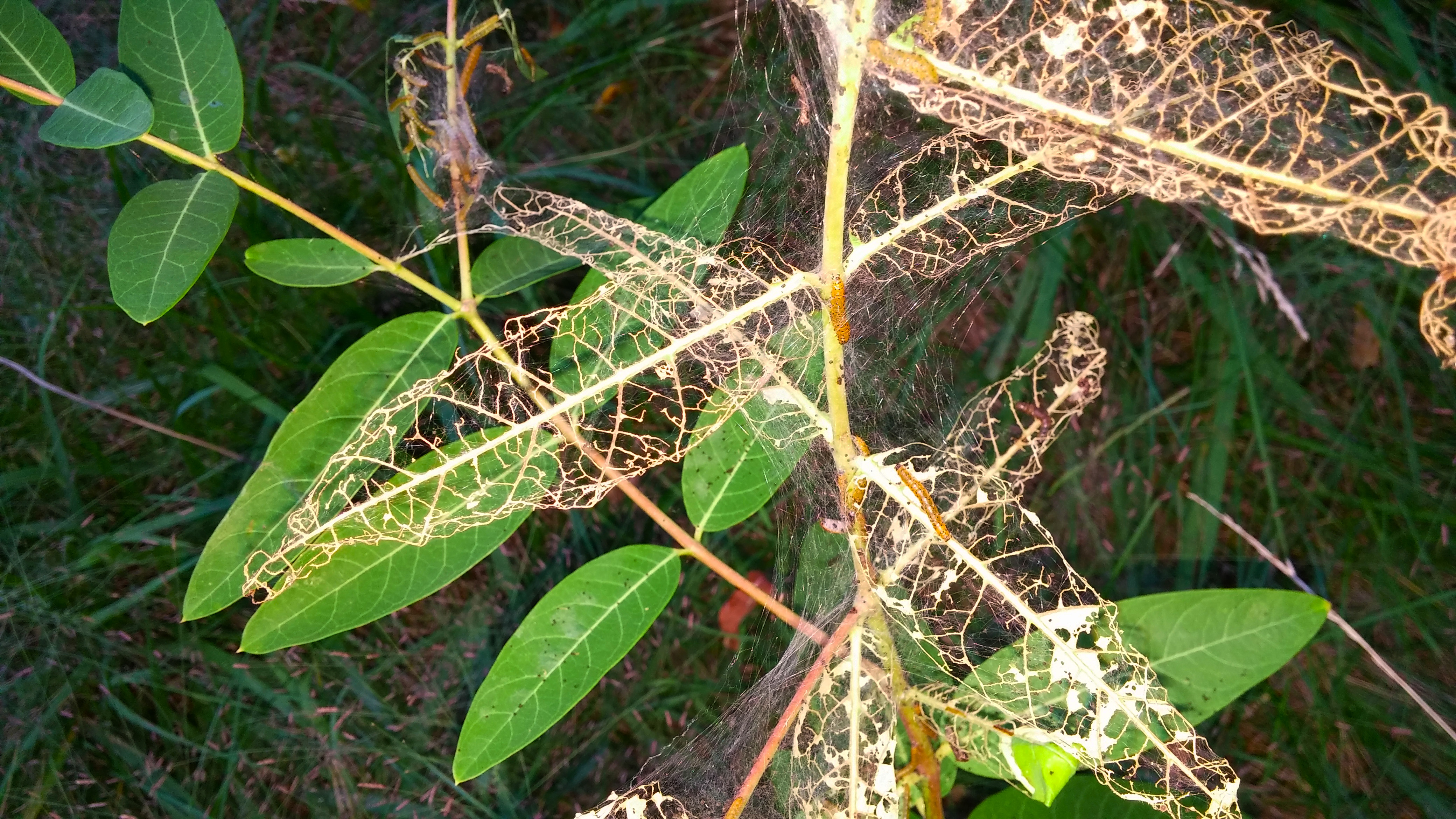
In addition, every caterpillar does not haphazardly feed on all greenery, instead, different species of caterpillars require different nutrients for their development. For example, the milkweed tiger moth caterpillar below is feeding on dogbane leaves not only for the macronutrients, but also for their toxins, cardiac glycosides, which the caterpillar stores in its tissues making it poisonous to predators. In fact, this caterpillar’s bright flamboyant appearance is a warning to predators of its toxicity. These toxic chemicals stay with the moth into adulthood, the adult even makes an ominous noise to deter predators instead of using warning colors like the caterpillar.
This is just one example of about 180,000 species of moths and butterflies worldwide, think about all of the other caterpillars and their unique dietary needs. Taking care of the caterpillars is one of the best ways to ensure there are butterflies pollinating our flowers.

Caterpillars can do considerable damage to their host plants, which means you planted the right variety, but if you want to maintain a more manicured look to your garden, consider putting the caterpillar plants in the back of your garden instead of front and center.
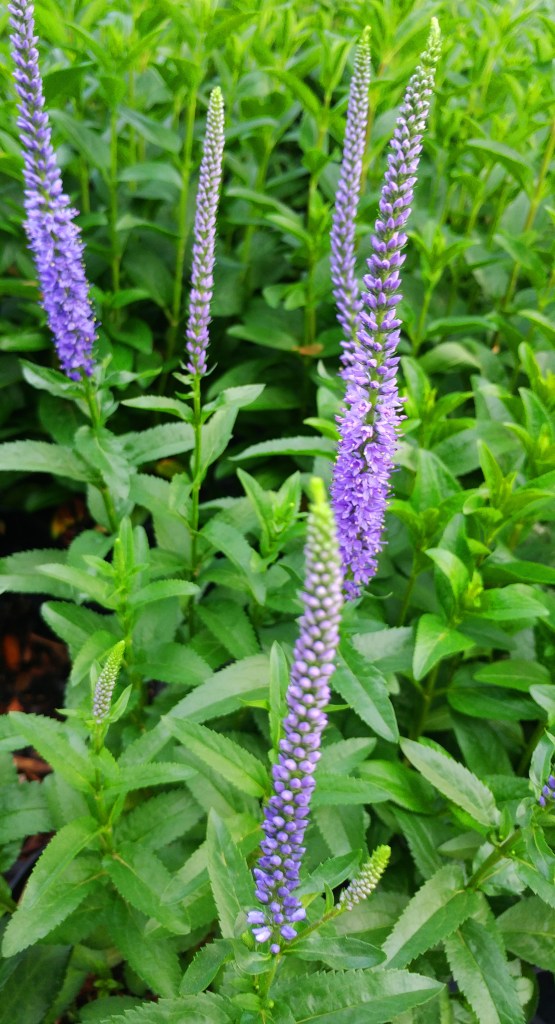
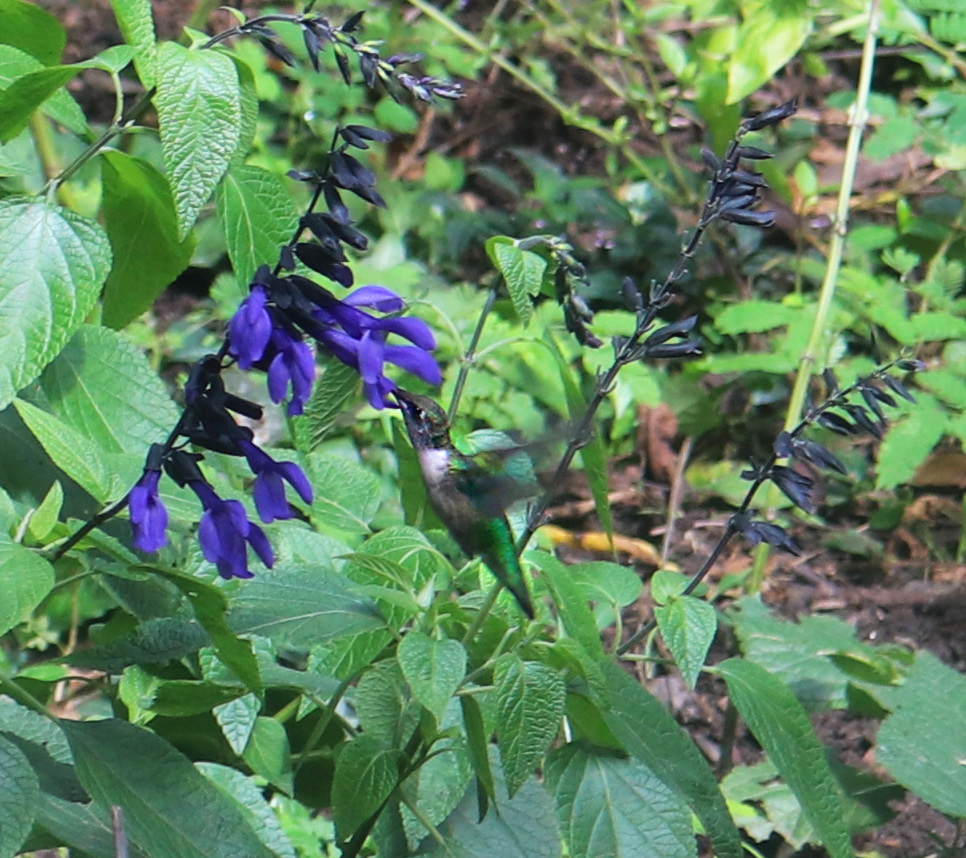
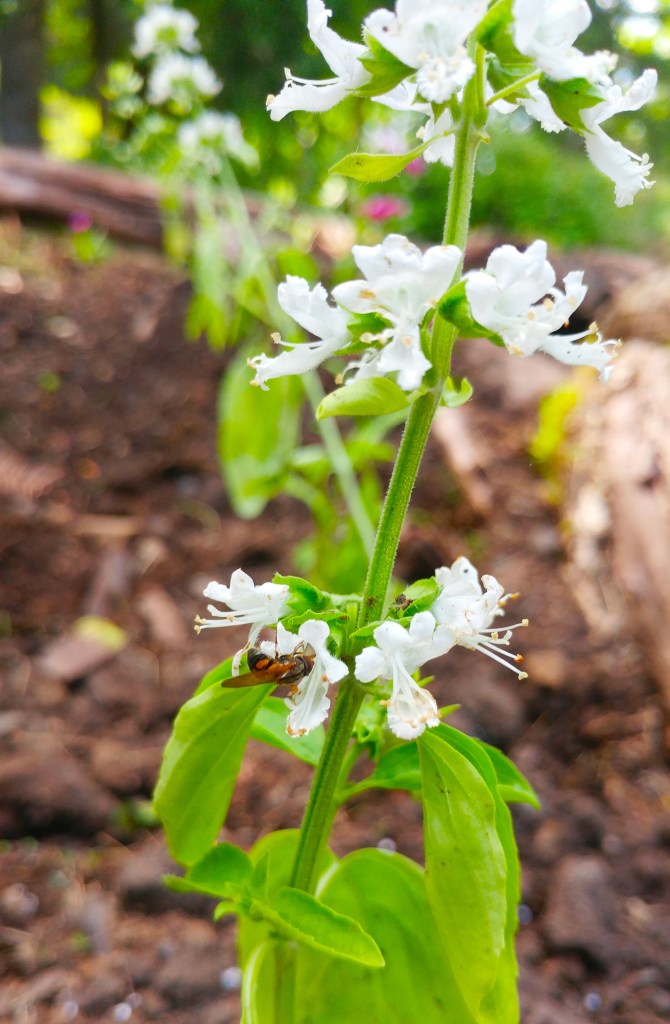
4) Includes a variety of different shaped flowers to attract different pollinators, like long tubular salvia flowers for hummingbirds or open-faced cosmos flowers for short-tongued bees.
Below on the left you can see the short-tongue of a sweat bee as it prepares to feed upon a clover flower, while to the right a long-tongued fly cleans its tongue with its front legs after dining on the tubular flowers of basil.


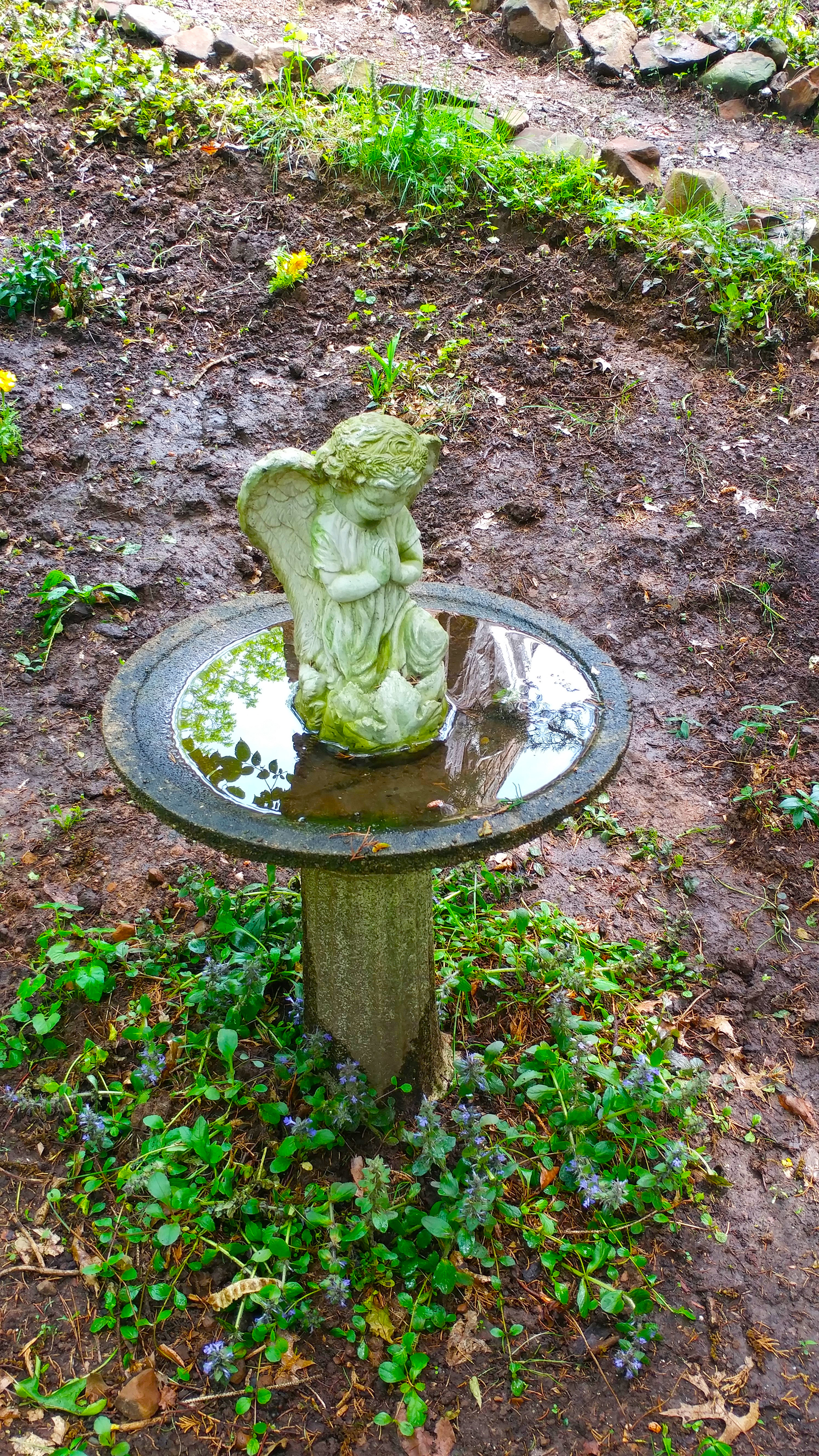
5) Includes water and salt to satisfy pollinator’s additional nutritional needs, a damp sponge with sea salt sprinkled on it is a good alternative to leaving out a bowl or bird bath of water that may breed mosquito larvae.
6) Does not use pesticides if at all possible. Try to rely on mechanical removal of pests or their habitats, use of natural predators, alternative pesticides not toxic to pollinators, or at minimum do not apply pesticides during peak hours of pollinator activity. 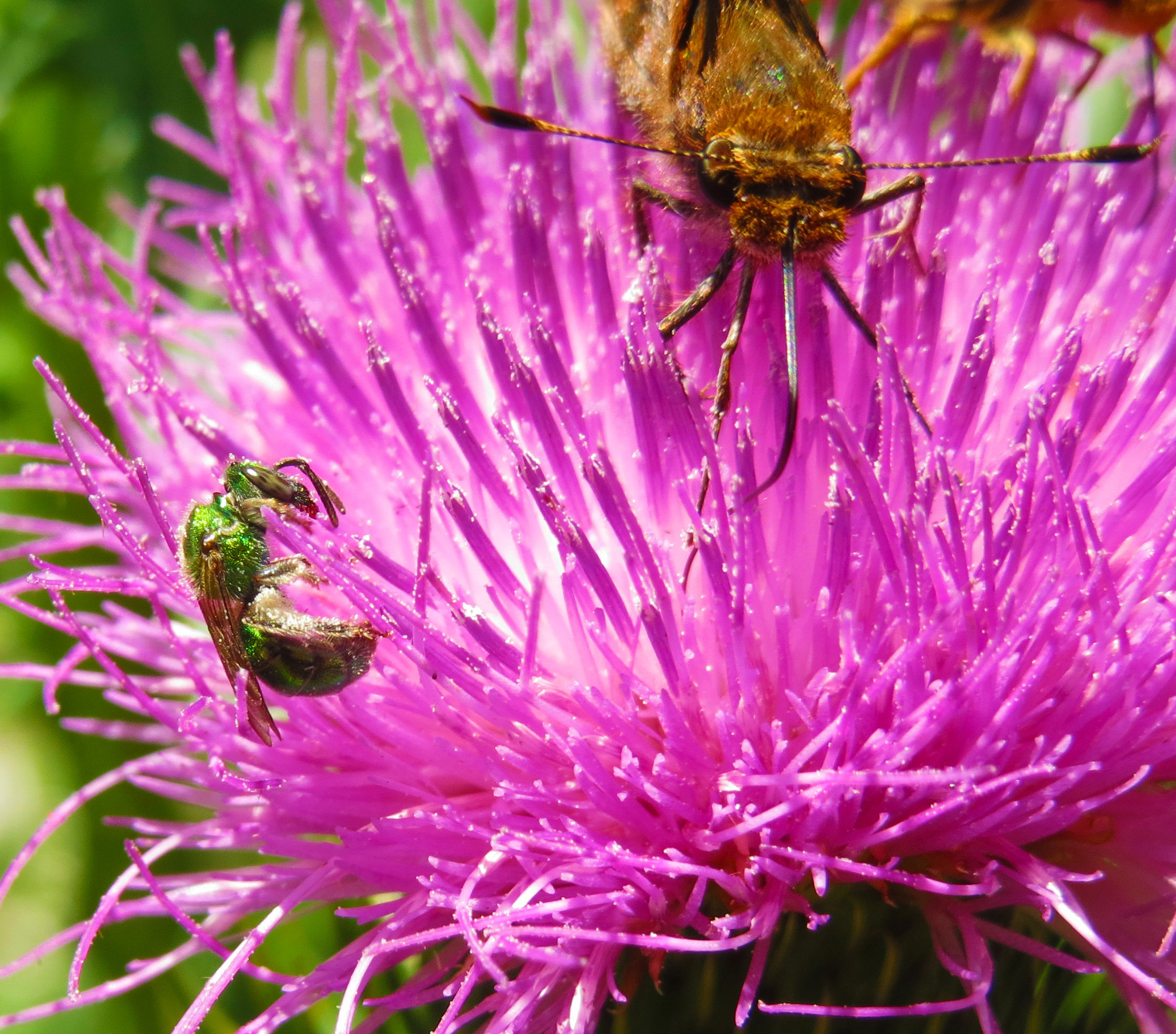
Choosing Flowers for a Pollinator Friendly Garden in North America
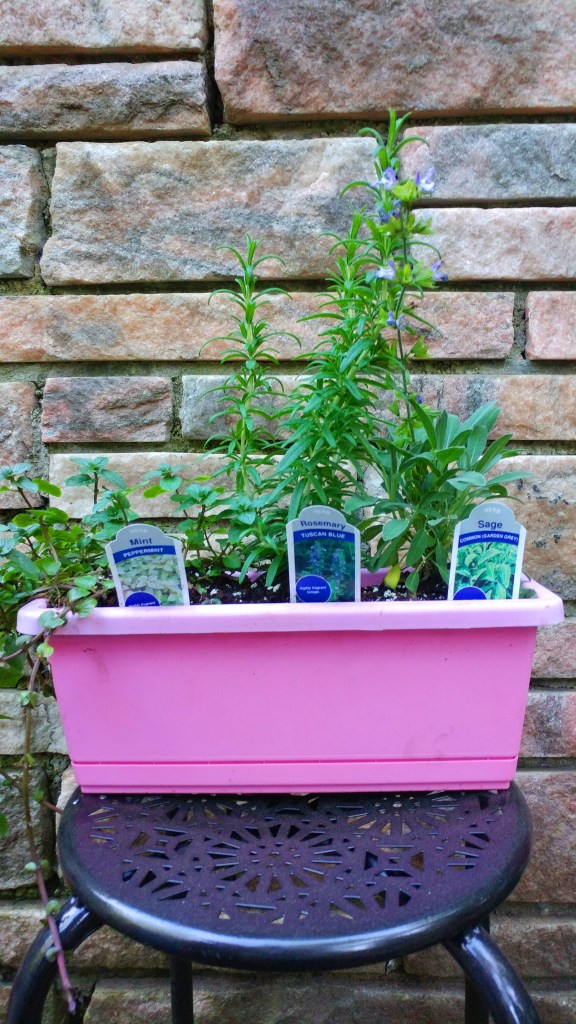
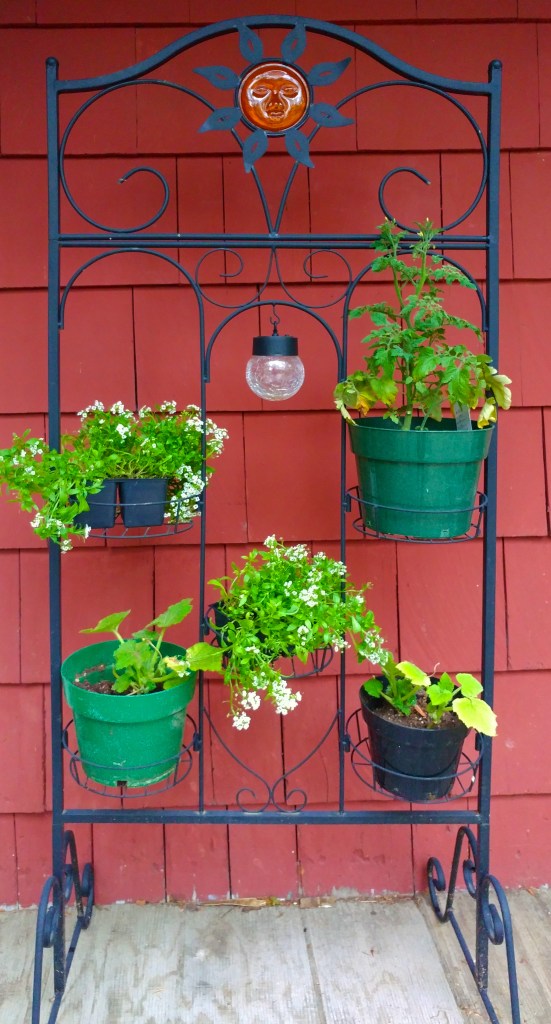
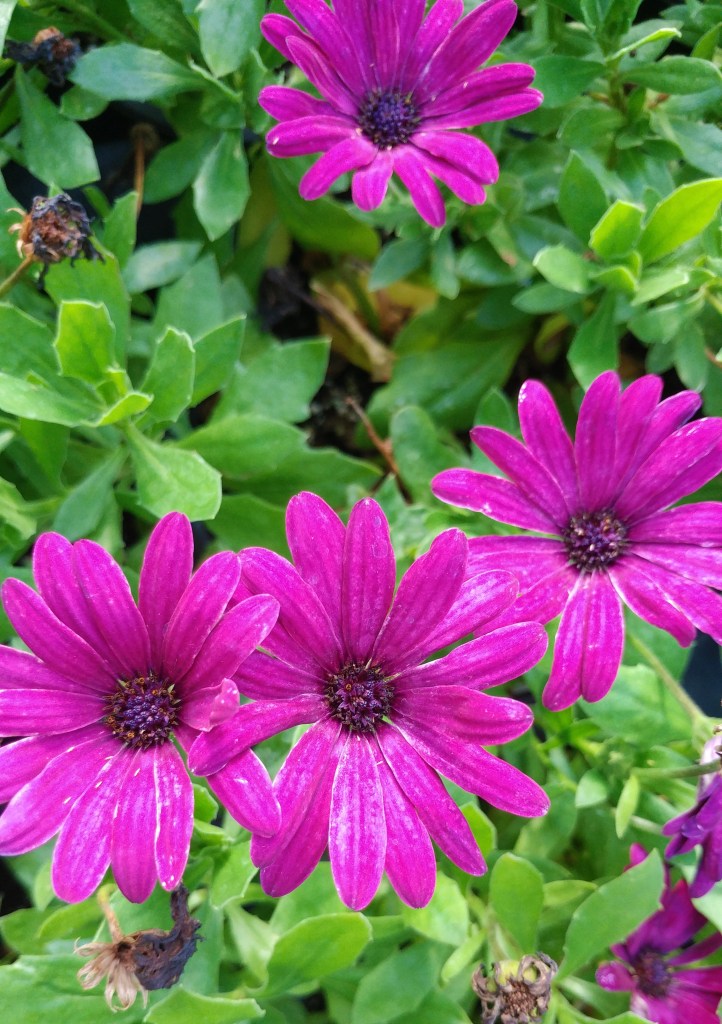
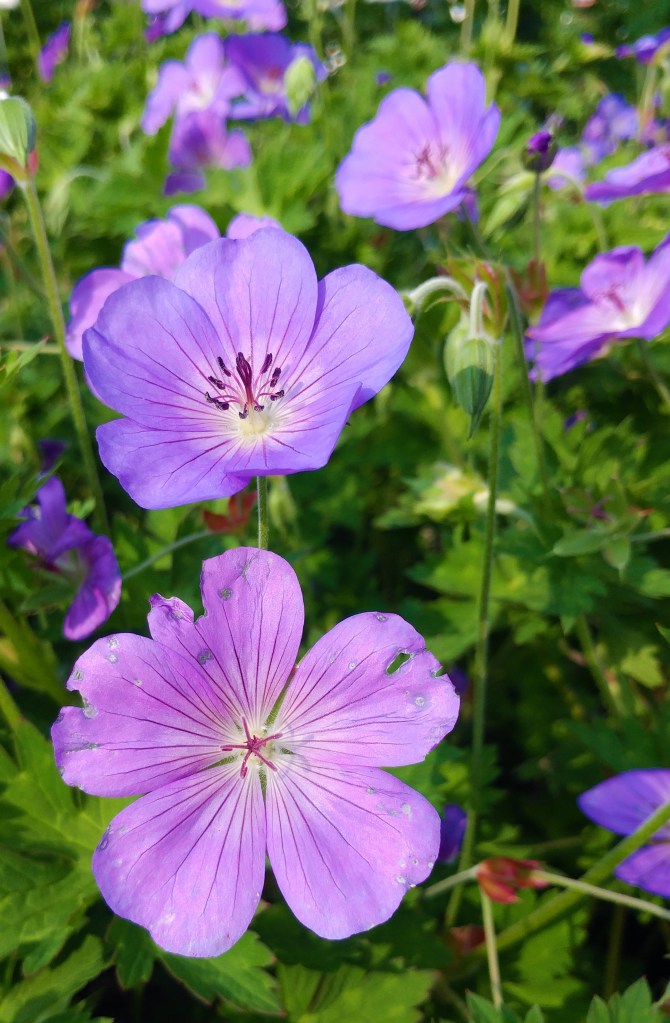
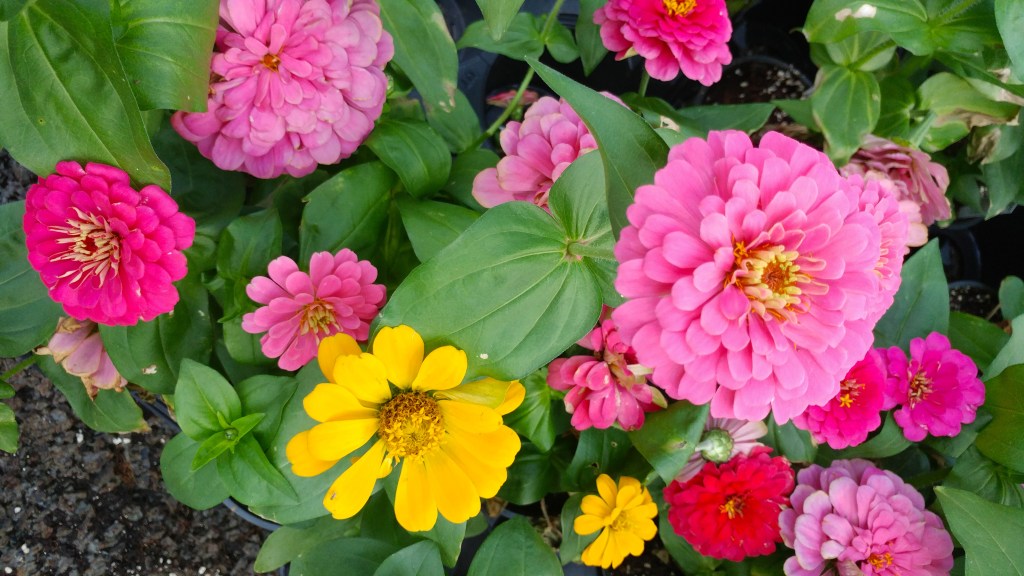
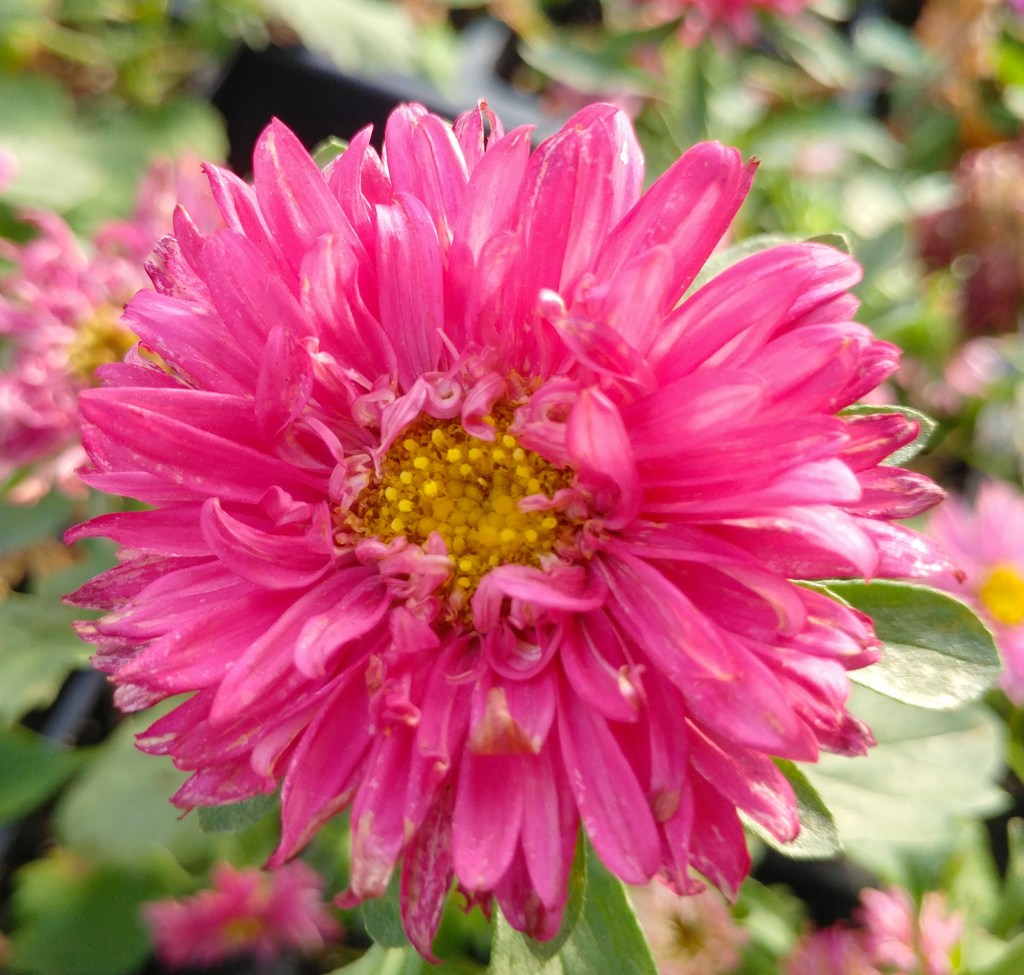
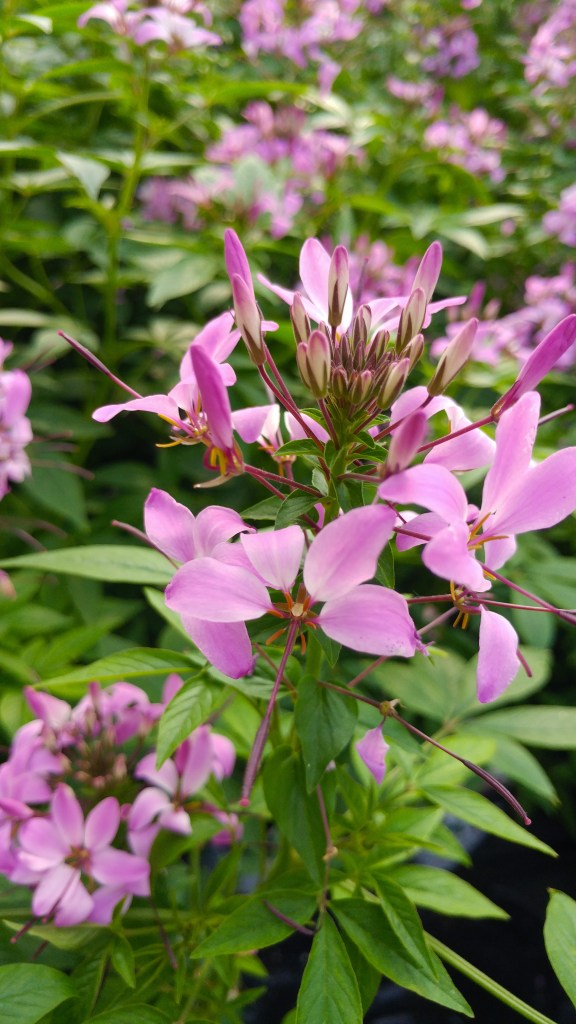
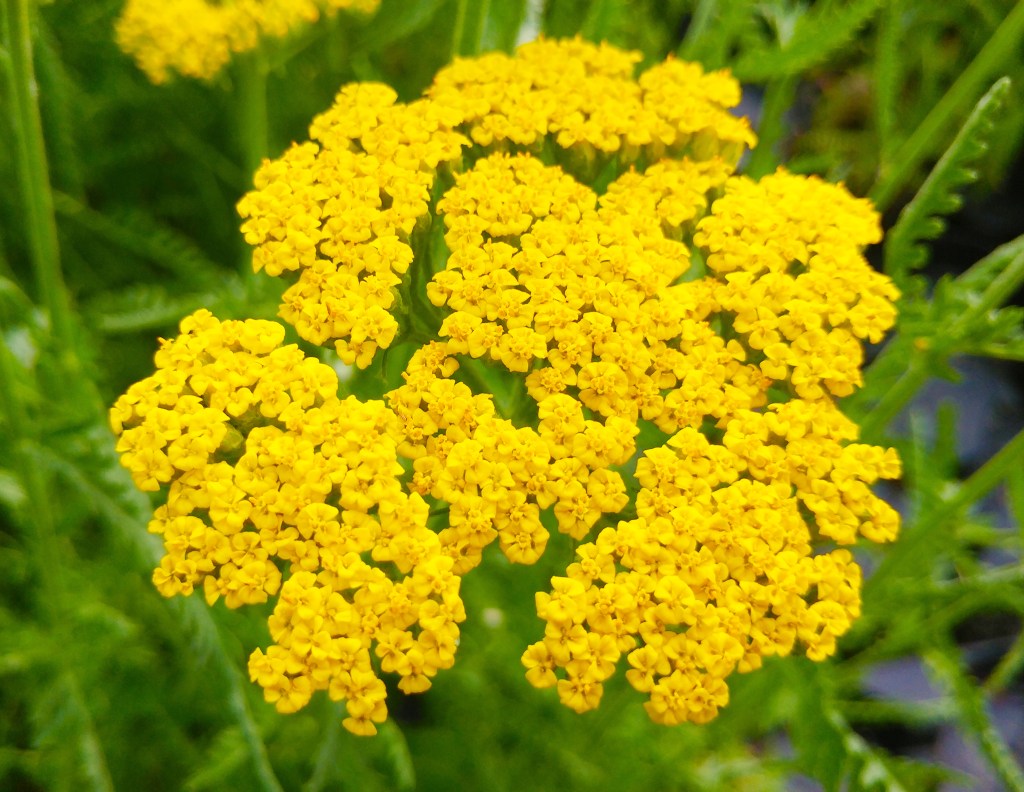
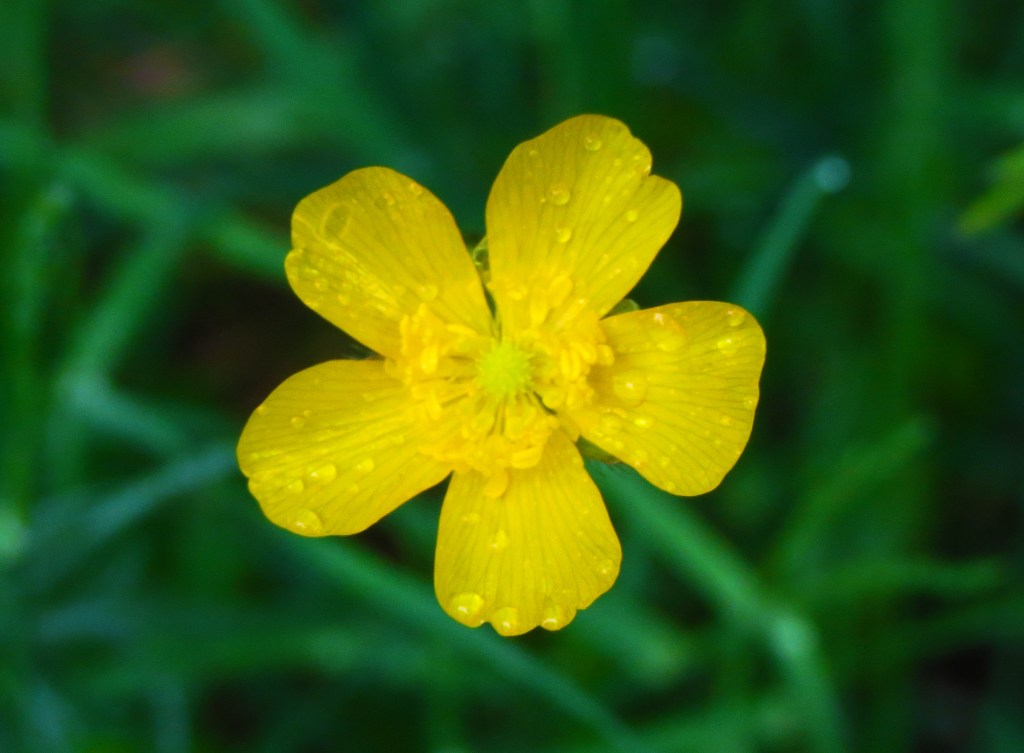
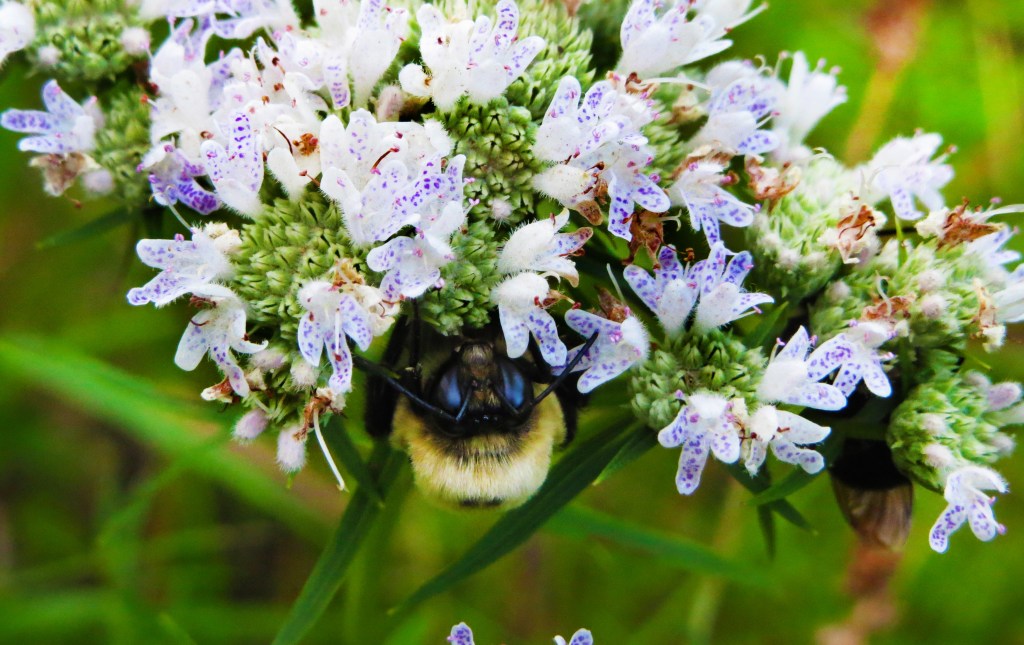
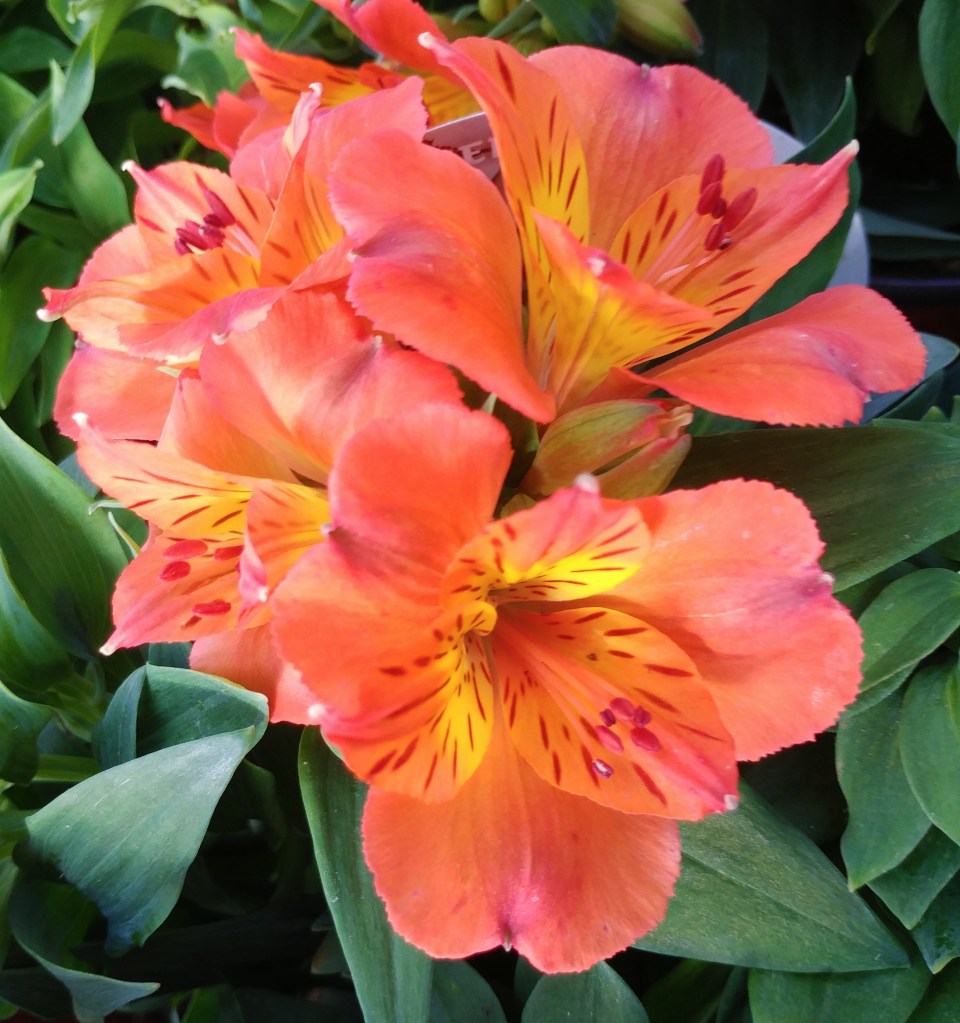
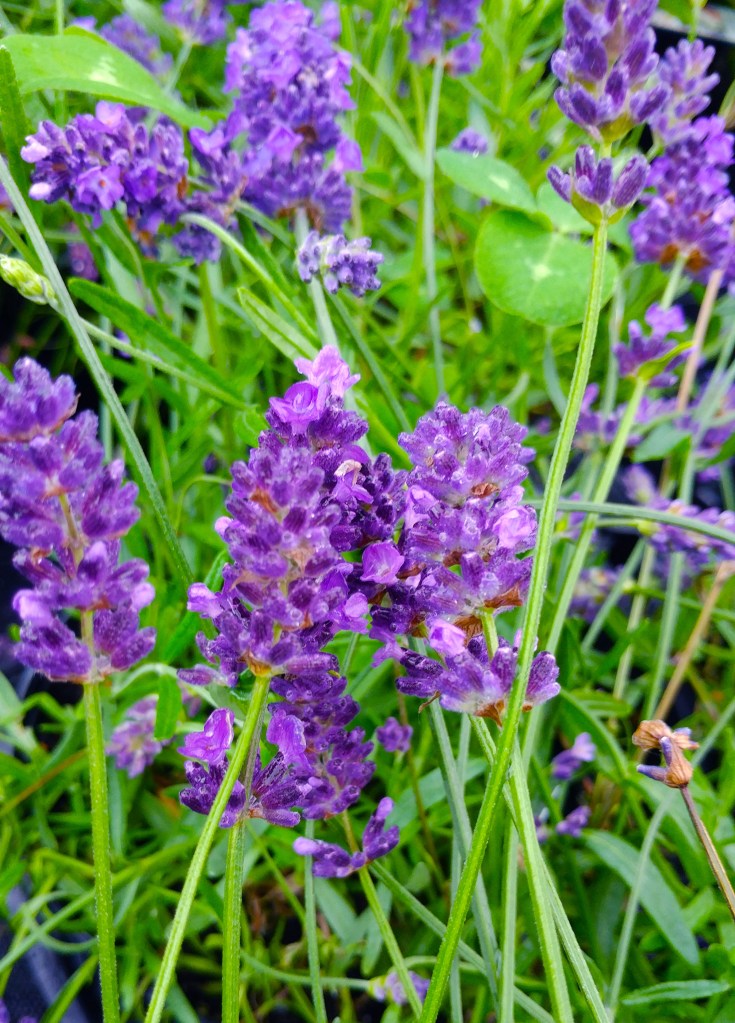
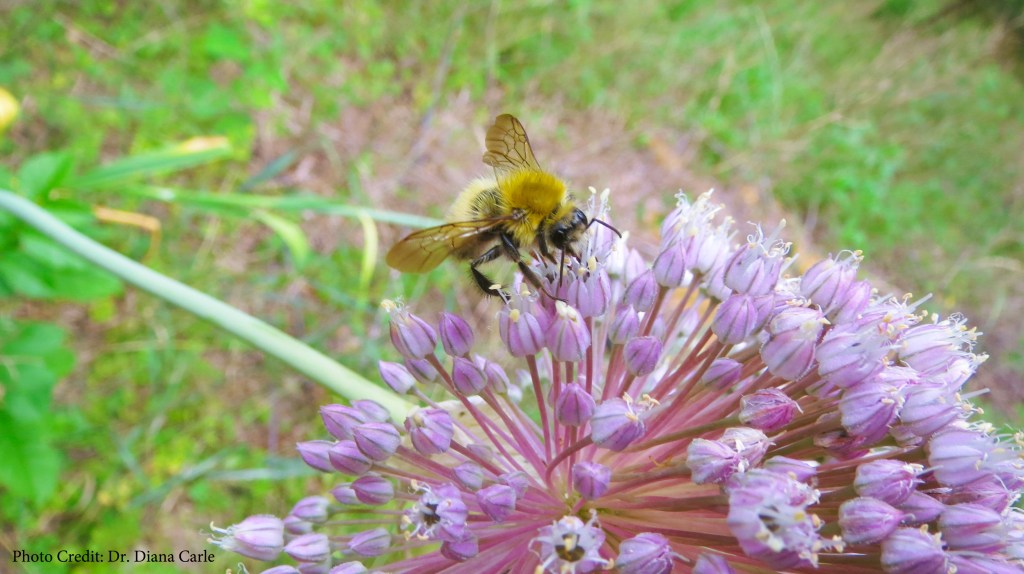
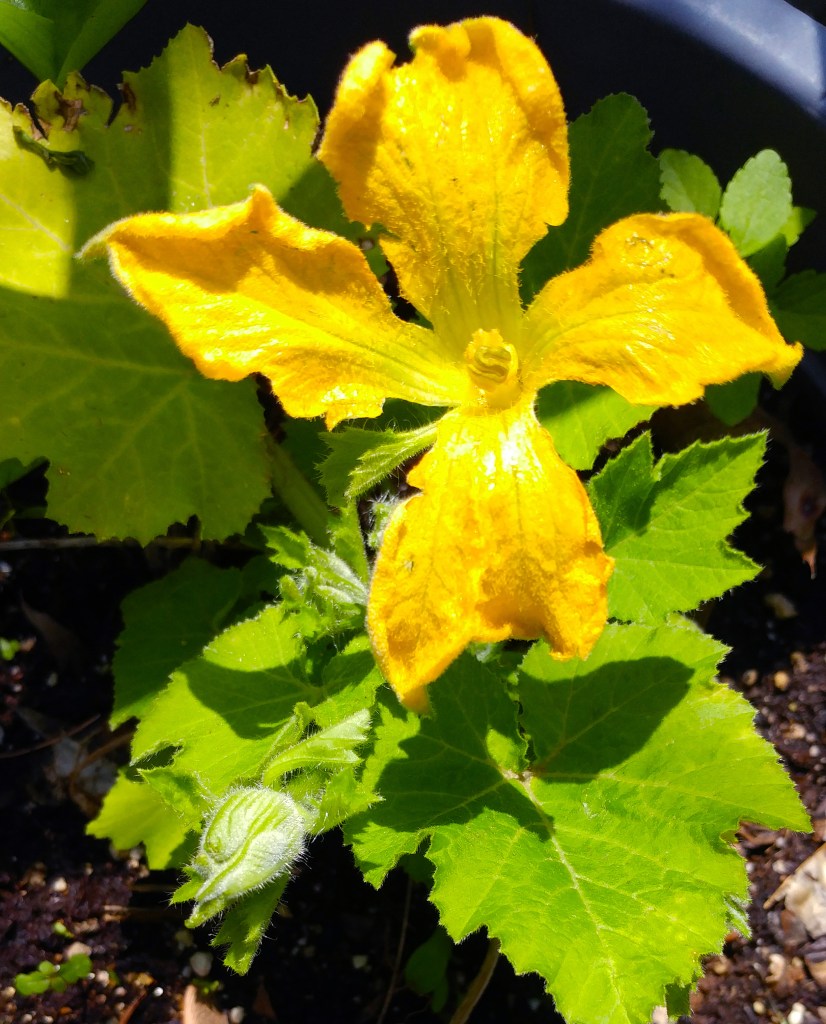
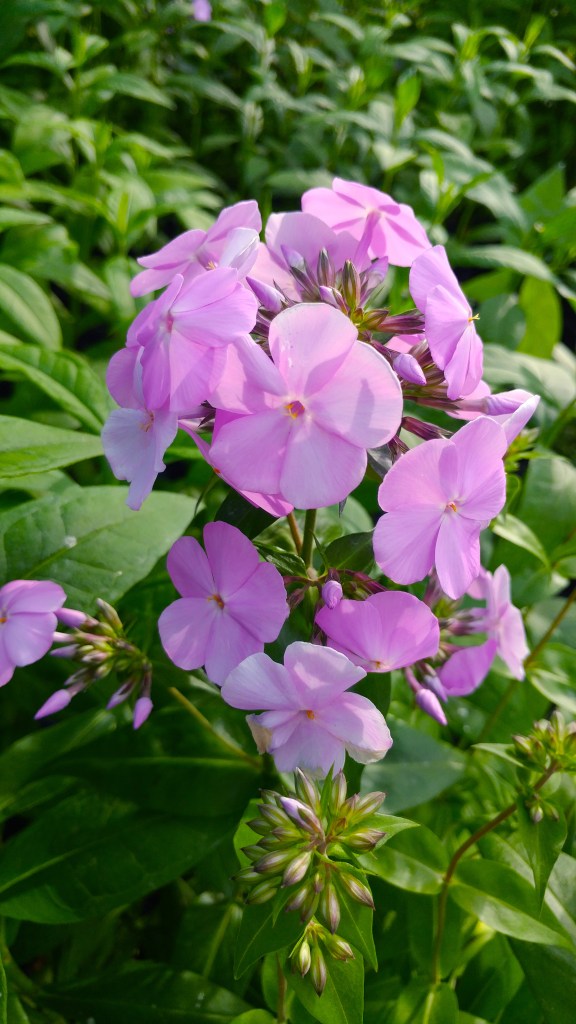
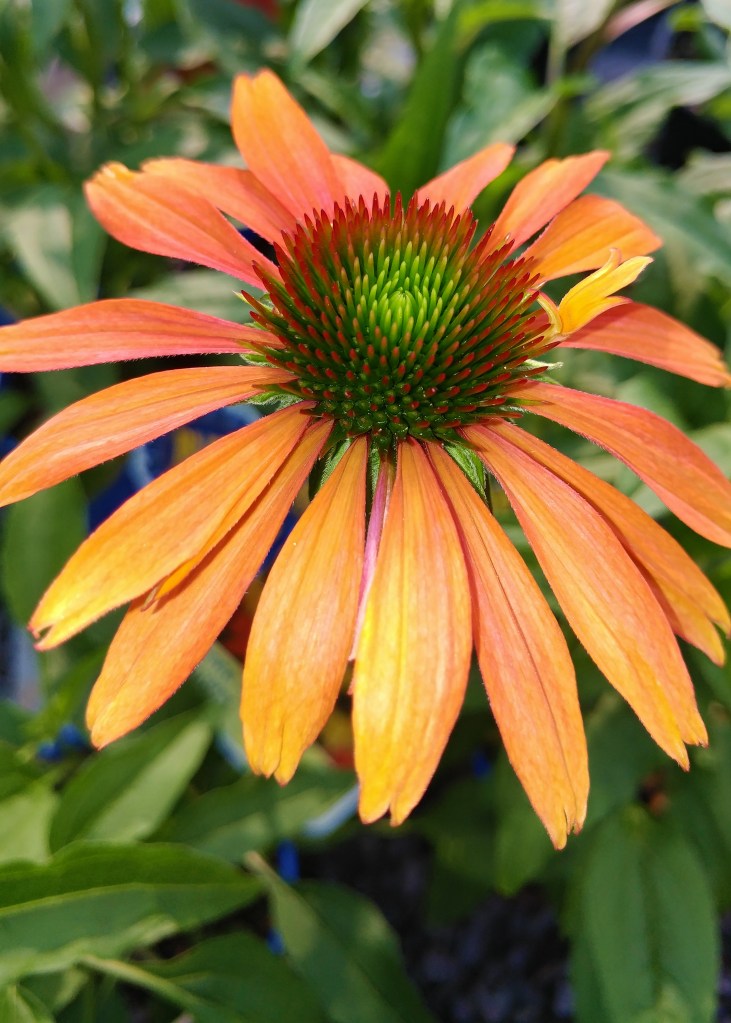
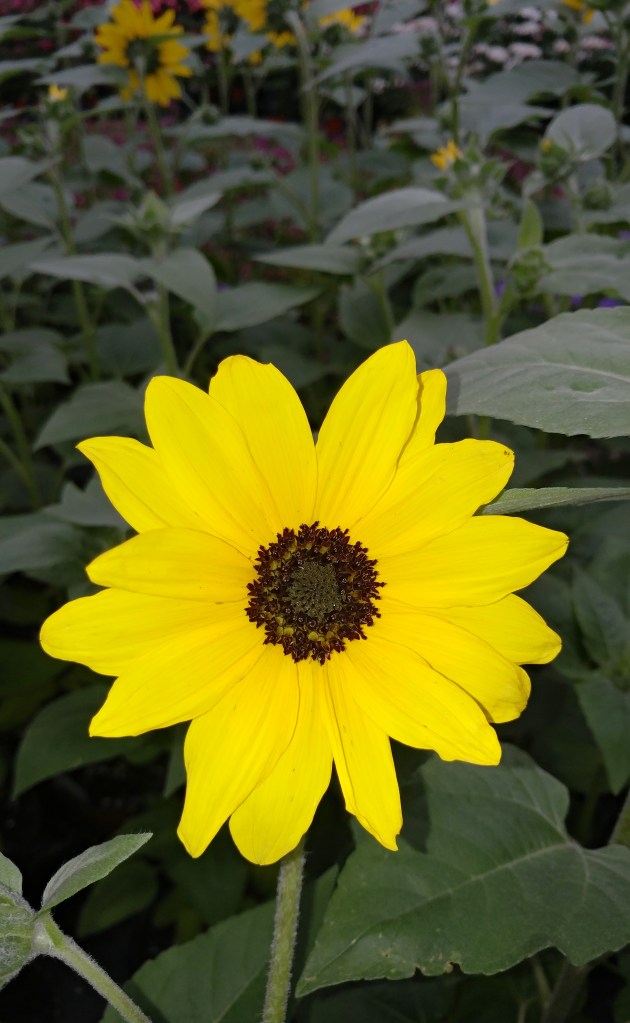
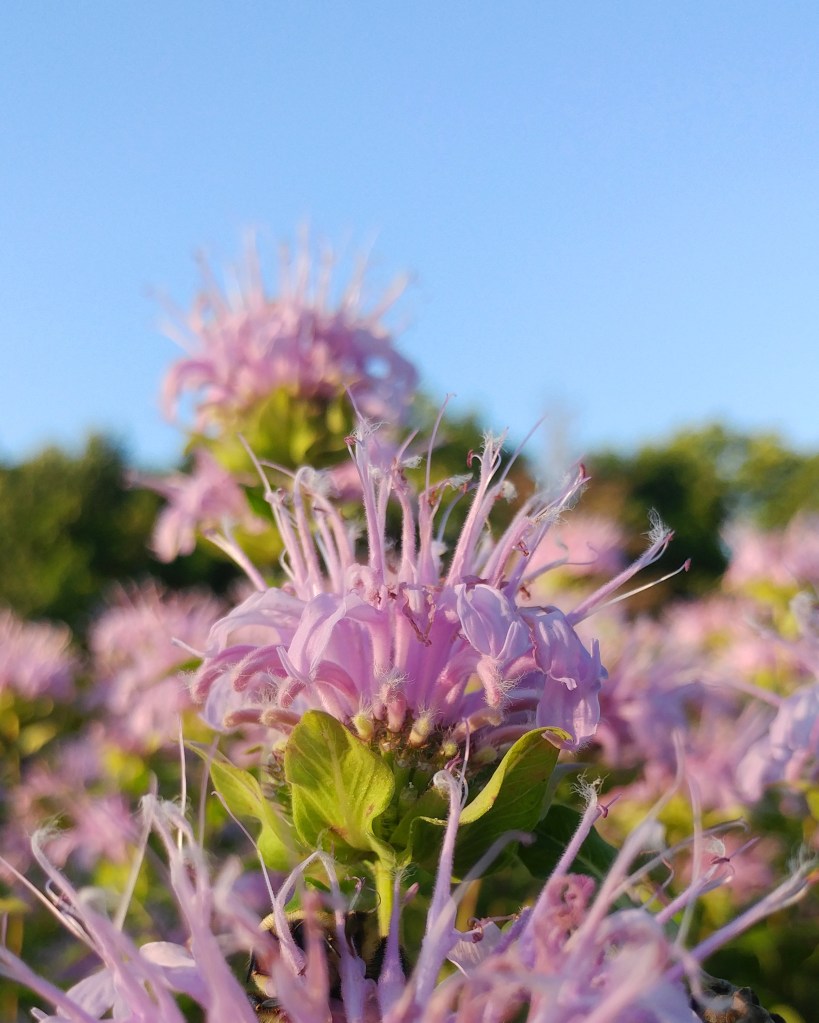
If you have a yard or even community garden to work in, think beyond the typical marigolds or begonias which provide little nutrients to our pollinators. Instead focus on native wildflowers, flowering herbs you can also eat, and other nectar and pollen rich blooms. Whether it be a few pots or a whole yard full of colorful blossoms, below is a list of some of the best floral options for a pollinator garden in North America: Alstroemera, Aster, Bee balm, Black-eyed Susans, Buttercup, Cleome, Coreopsis, Dahlia, Echinacea, Iris, Lavender, Milkweed (not tropical milkweed, Asclepias curassavica, which is invasive and can actually harm monarch butterflies by breeding the OE pathogen), Mountain mint, Phlox, Osteospermum, Ornamental onion, Salvia (not Salvia aethiopis, Salvia glutinosa, Salvia pratensis, or Salvia sclarea), Sunflower (native to North America, but classified as a noxious plant in the state of Iowa), Verbena (not Verbena bonariensis, Verbena incompta, or Verbena montevidensis), Yarrow (not Achillea filipendulina, Achillea ptarmica, or western yarrow), and Zinnia. Many vegetables and herbs can also be grown in your potted or yard garden that will provide a delicious meal for you as well as the pollinators. Some examples include: Basil, Dill, Sage, Tomatoes, Zucchini, Pumpkins, Cantaloupe, Watermelon, Cucumbers, Fennel, Raspberries, Blackberries, Blueberries, and fruit trees like Apple, Cherry, or Peach.


 Diana Carle, PhD