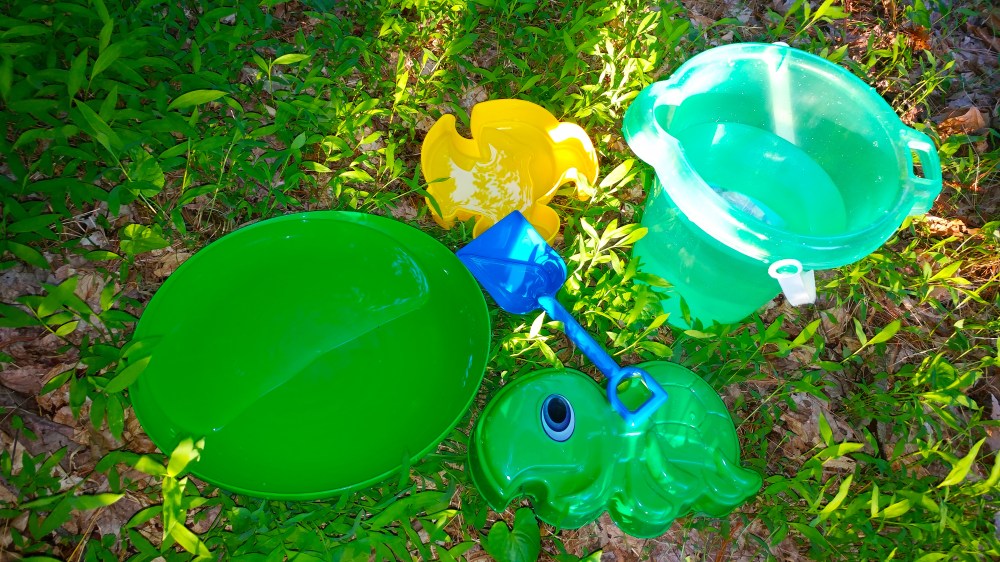
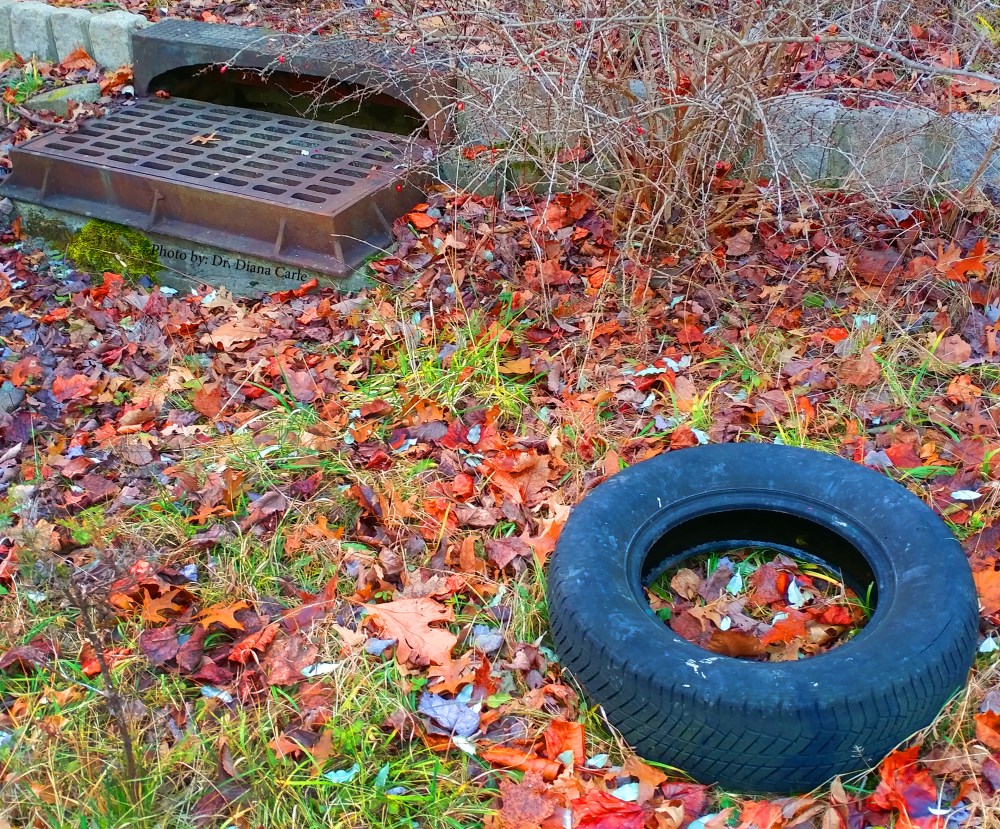
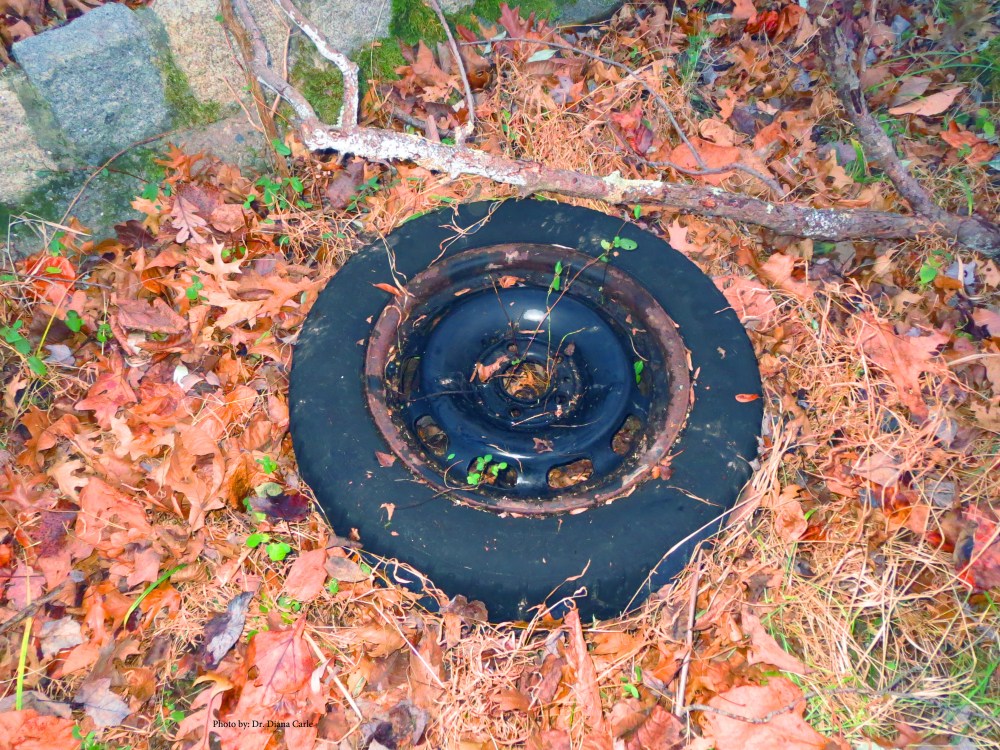
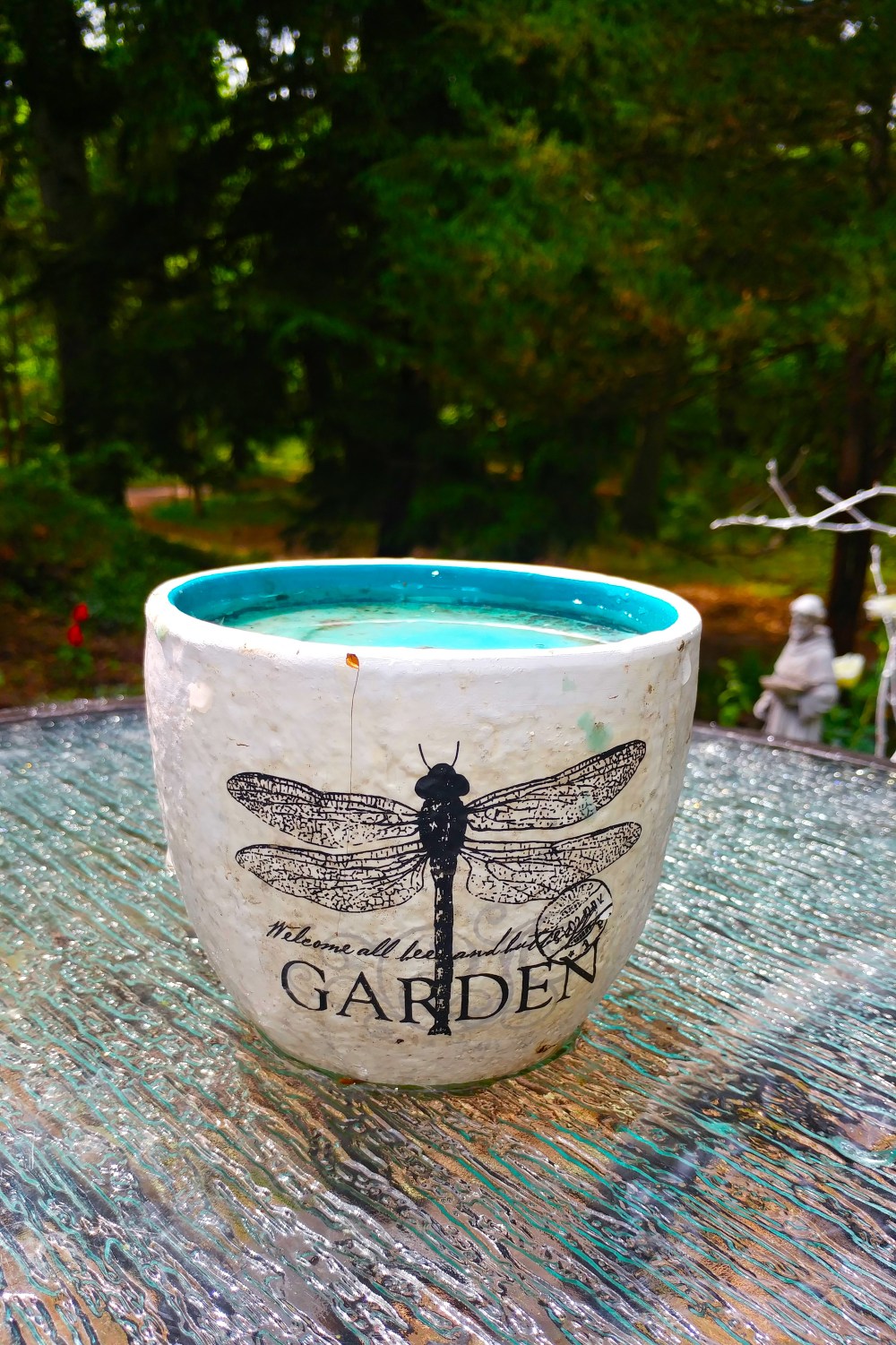
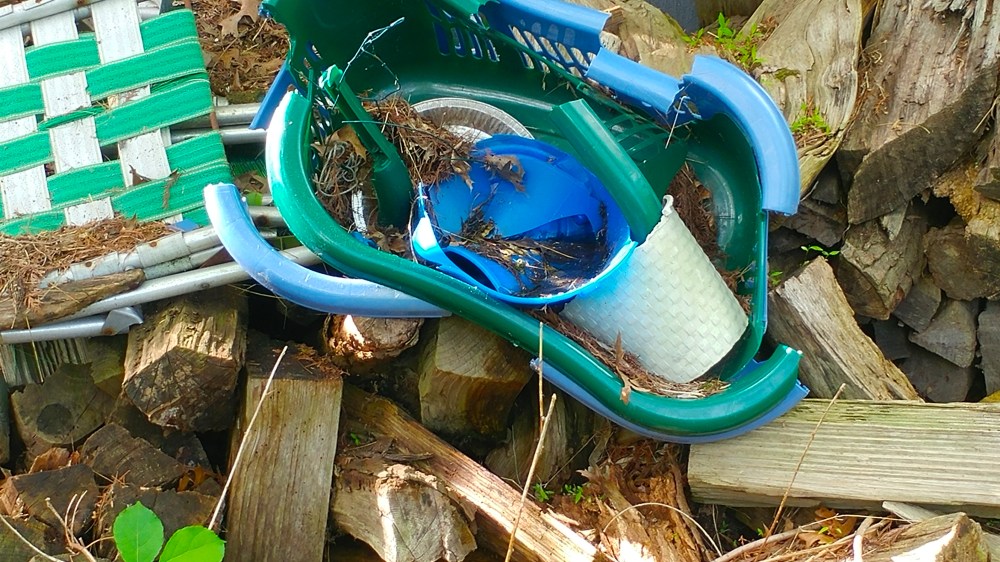
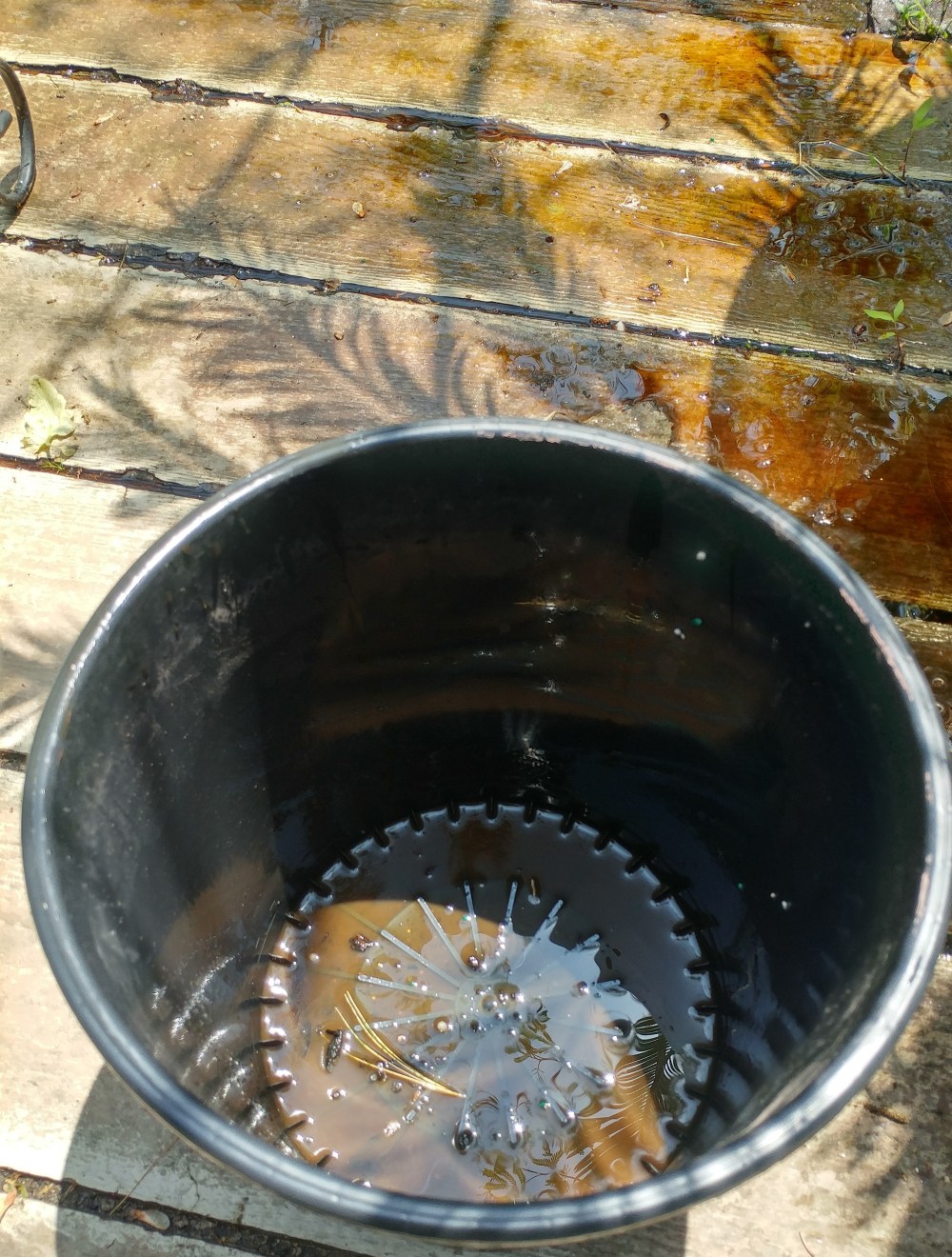
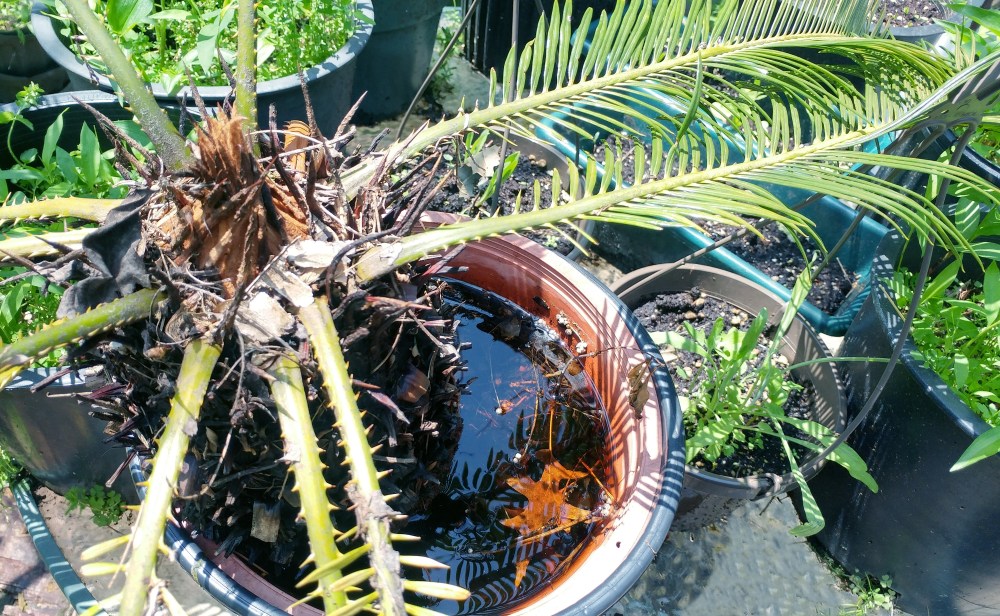
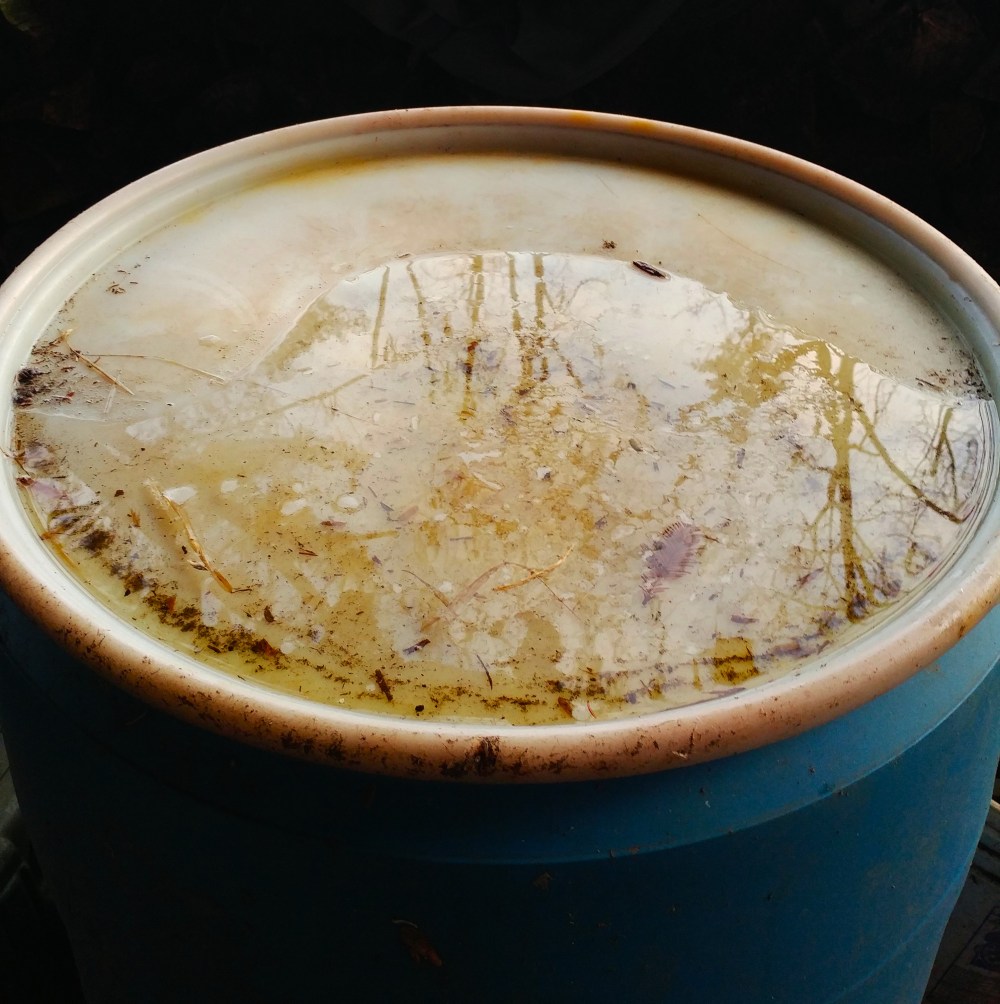
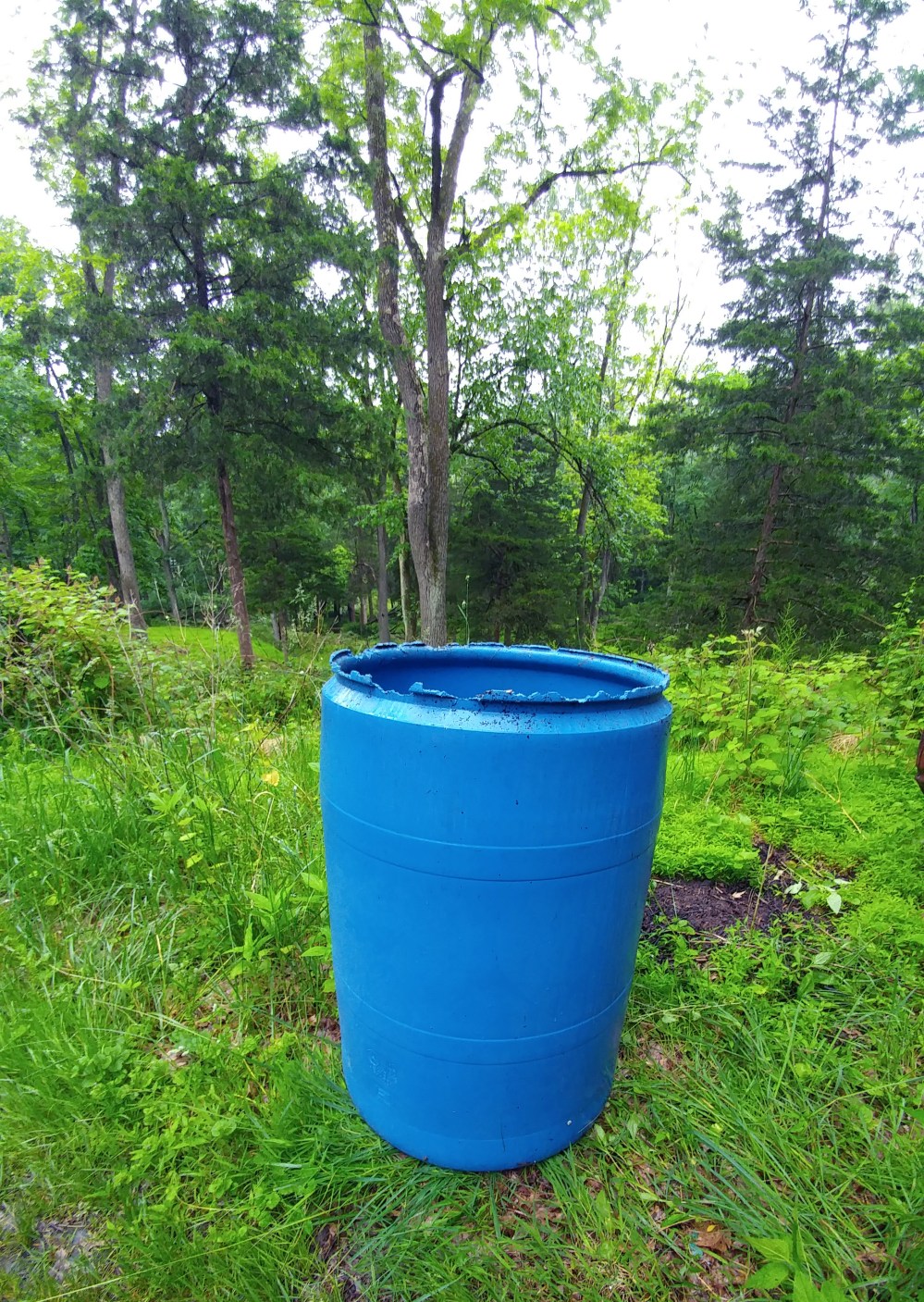
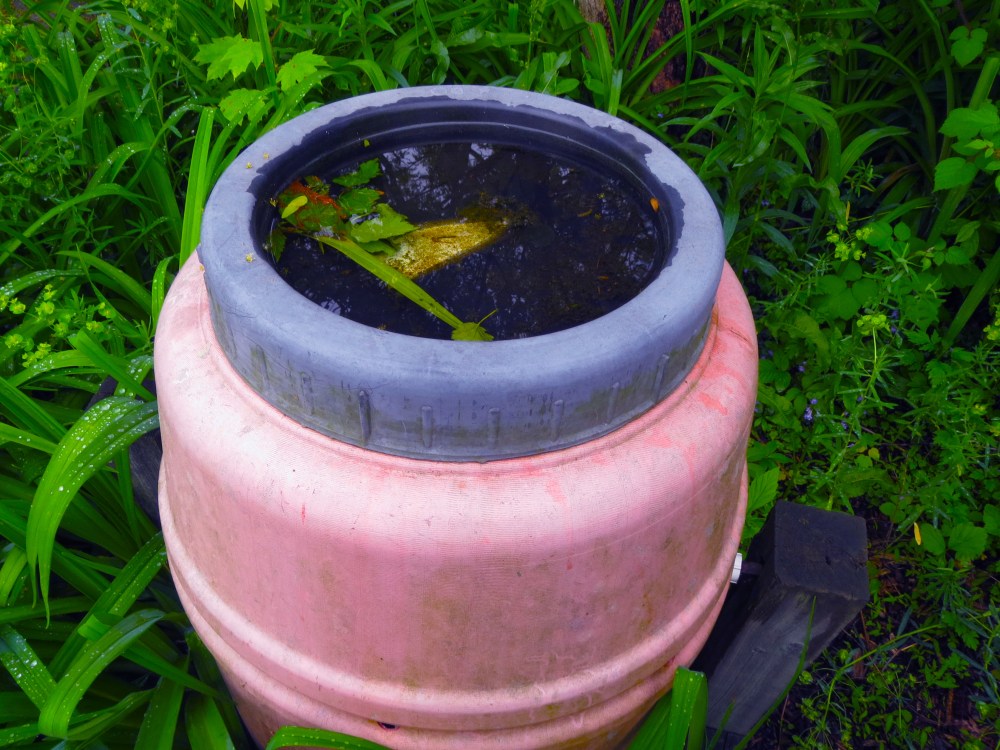
In addition to the containers created by nature, there is an abundance of artificial container habitats created by humans through the manufacture of plastic, glass, and metal goods. Unlike natural containers, these artificial ones pose more of a threat because they do not break down as easily. The good news is that because we are the cause of these containers we have the power to simply remove these mosquito habitats, thereby suppressing local container breeding mosquito populations. These artificial container habitats are also at the core of outreach programs that education residents in local larval source reduction to suppress their mosquito nuisance. Many different native mosquito species inhabit these prime environments such as: Aedes triseriatus, Aedes atropalpus, Culex pipiens, Culex restuans, Orthopodomyia signifera, Orthopodomyia alba, and Toxorhynchites rutilus. Artificial containers are also responsible for the accidental introductions of our three invasive container breeding Aedes species which are true floodwater mosquitoes and require a drying period prior to egg hatch: Aedes aegypti, Aedes albopictus, and Aedes japonicus. The Yellow Fever Mosquito, Ae. aegypti, is thought to have first spread around the world in containers on ships from Africa through the slave trade 400-550 years ago, and to spread again more prolifically in the 20th century by troop transports during WWII. Both Ae. albopictus and Ae. japonicus both came to the USA from their native Asia through the global tire trade in the 20th century.

 Diana Carle, PhD