“There remain to be considered those accidental receptacles like tin cans, old buckets, tubs, etc., that may be anywhere… Generally it is only necessary to point out to the individual concerned that he is the chief sufferer, to induce him to take the necessary steps.” –J.B. Smith, 1904 The Mosquitoes of NJ
The most effective means of mosquito control has always been larval source reduction, and through this practice residents can play a vital role in reducing mosquito populations breeding around their home and improving their own quality of life. While some mosquitoes fly long distances from their natural habitats such as salt marshes or swamps and require the service of public mosquito control agencies, the multitude of habitats found around the home are far too many for such agencies to control. However, these habitats are well within the homeowners’ or renters’ ability to manage. When working with communities the education of mosquito control without the use of pesticides is essential and involves: 1) getting the entire community involved, 2) getting the children involved, 3) teaching the location and removal of mosquito habitat, 4) and lastly, teaching additional non-pesticide forms of mosquito control.
Locating and Removing Larval Mosquito Habitat
The first step in reducing mosquitoes is learning their life history so that you can identify habitats occupied by mosquito larvae, which is their most vulnerable life stage. After obtaining a blood meal adult female mosquitoes, lay their eggs on or near standing water where their larvae develop, and managing these standing water habitats is the most effective form of mosquito suppression.
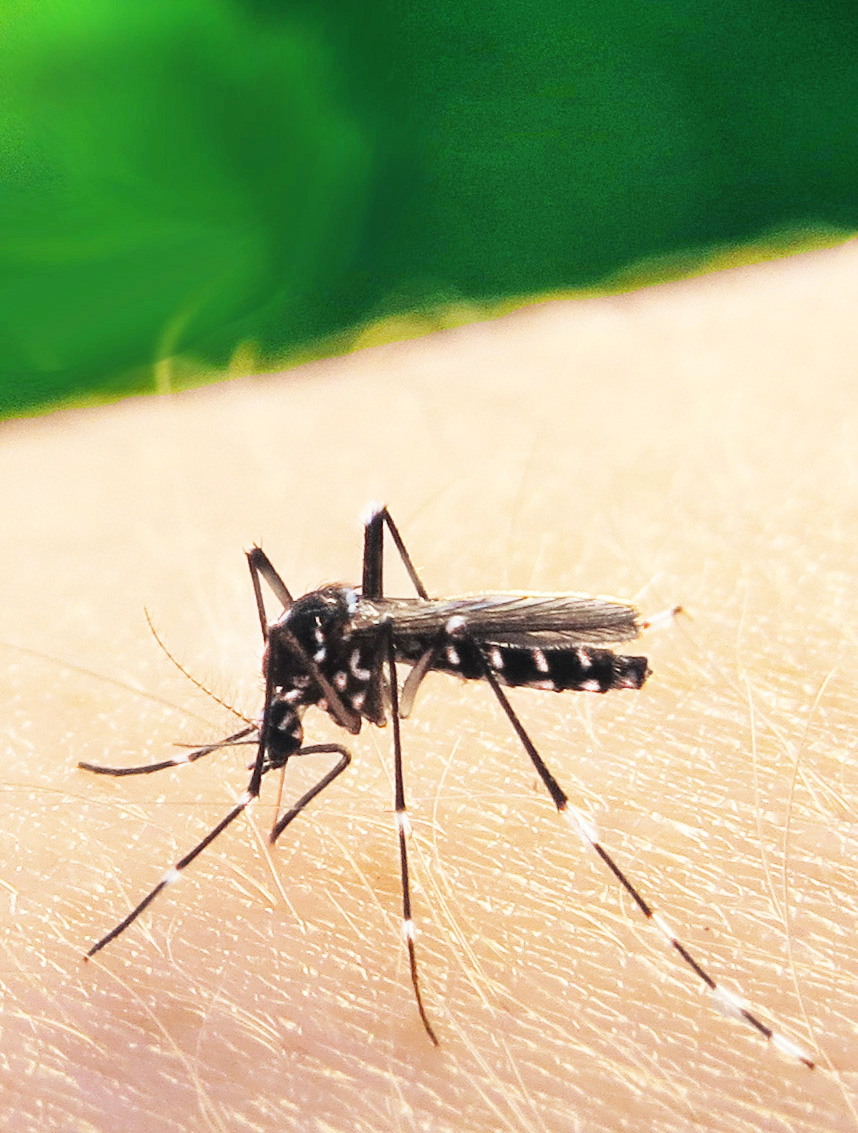
Since the introduction of the invasive Asian tiger mosquito (Ae. albopictus) through used tires imported from Asia, the way we manage mosquitoes occurring around the home (peridomestic mosquitoes) has changed. The larvae of this species thrive in water-filled artificial containers that hold as little as 1/4″ of water. This changes the old mosquito control standard of “Tip N’ Toss” where a person tosses the water out of a container and tips it upside down to prevent it filling again. Because many buckets, kid pools, and other receptacles have small depressions or lips on the bottom that can hold 1/4″ of water, such items must be stored in a shed or other covered area to prevent them from retaining water and breeding mosquitoes. This means small pieces of litter like a bottle cap or even a plastic bag creased to hold water are significant sources of mosquito habitat.
The incursion of the invasive Asian tiger mosquito into many states including every county in NJ, underscores the importance of recycling and maintaining a litter-free neighborhood. There are often many mosquito habitats around your home and community that once citizens are trained to recognize can become fairly easy to control. This process of eliminating larval mosquito habitats is known as, larval source reduction. Click through the photos below and read the captions to start learning about some of the different kinds of larval mosquito habitats that may exist around your home or community.


Now Test Your Skills
Look at the three pictures below of typical yards and see how many possible larval mosquito habitats you can spot. Once you have finished, check your answers here.


Community Involvement
Working with your neighbors and sharing information with them is another valuable tool in increasing the community’s quality of life through mosquito suppression. The most effective methods of getting the community involved in mosquito control involve actively engaging with people, that means having a conversation with residents as opposed to just handing out a flier about local mosquito control. Many towns and communities have facebook groups where residents can share mosquito control information, or if one does not already exist one can be created. Local community meetings, groups, or centers of worship provide another outlet that can be valuable in connecting with neighbors and sharing this information. Once you have established channels of communication, you can then organize a community clean up day where neighbors work together to remove and eliminate larval mosquito habitats. This can also be promoted as a great conservation project for your town because so many peridomestic mosquitoes live in trash or recyclables that haven’t been disposed of properly. Part of this involves removing used tires, which are a perfect habitat for container breeding mosquitoes because the partially shaded wet environment resists evaporation and water persists longer than in uncovered containers. You can find free tire recycling centers near you by using the Earth 911 recycling center search and include a concerted tire recycling effort as part of your community clean up day.
Getting Children Involved
Engaging the children of the community to help with larval source reduction can be an excellent way to not only control mosquitoes, but also expand children’s minds through exposing them to the vast diversity of, and inspiration found in nature. When including children in mosquito control education, it is vitally important to also teach them about beneficial insects and why insects are so important to our environment. Through this approach a child’s first exposure to insects is not a negative one, and insects or even nature as a whole are not thought of as something to destroy. You can start by asking your children’s school to take advantage of the NJ Mosquito Control Association’s grade school education program and request a mosquito rearing kit to teach students about mosquito ecology and life history.
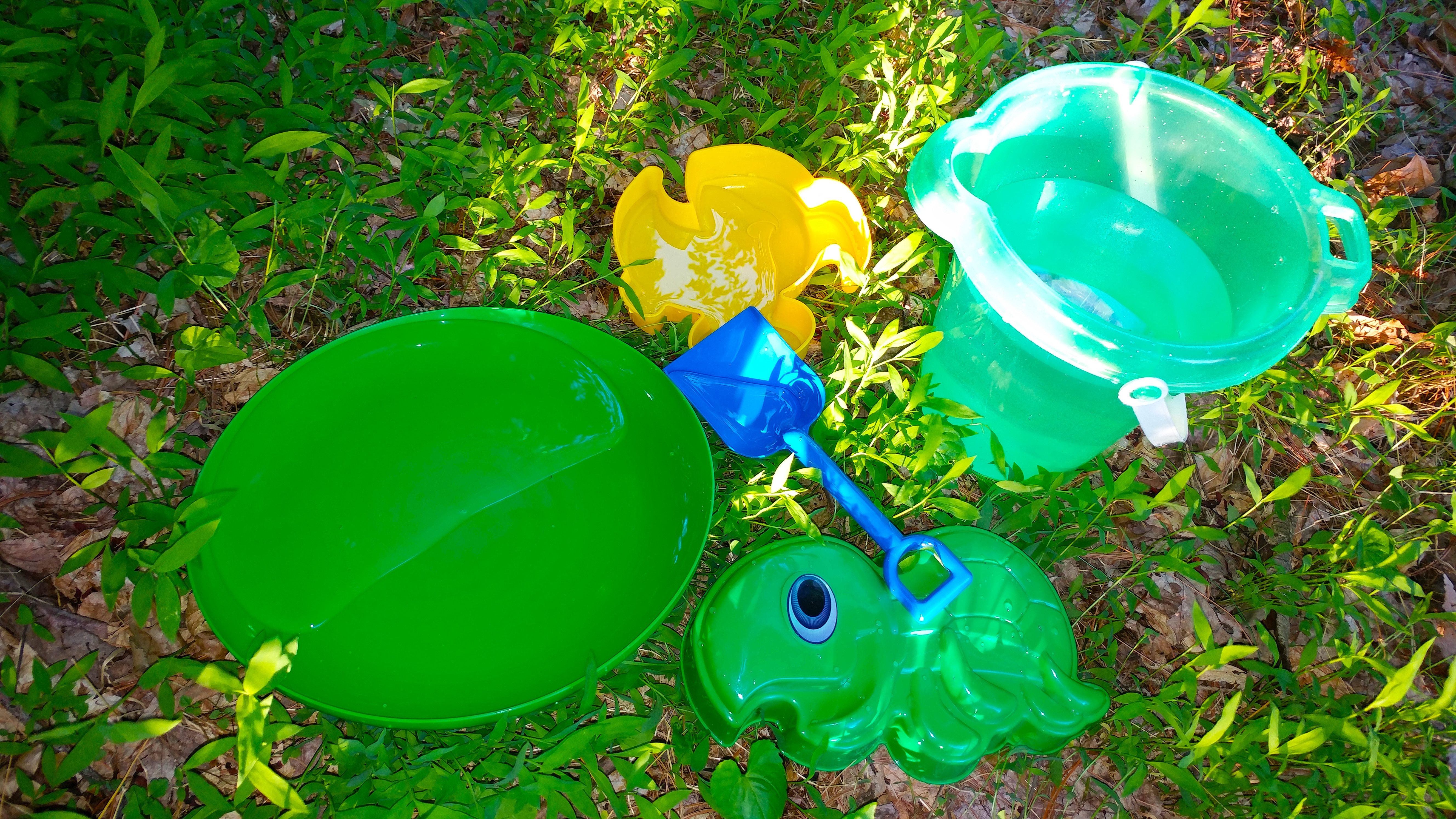
Showing children how mosquitoes live in the water collected by toys left outside can serve as an extra incentive to tidy up their things after playtime. You can also show children how a small piece of trash can breed mosquito larvae that will hatch into adults which can bite them. This will demonstrate how not littering and cleaning up the liter of others helps take care of all of us NJ even has a program to get children involved in keeping our communities called NJ Clean.
Learning about beneficial insects is an essential part of mosquito control education so that children can understand how careful we must be to protect our environment when controlling the more menacing insects. You can purchase different insect guide books or toys like the ones below so children can observe all of the fascinating features of these small six-legged creatures. This is also a great opportunity to teach them about other insects to keep a safe distance from like wasps or bees that might sting them. Children can also practice their critical thinking skills by hypothesizing why different insects are different colors, or why some have long legs while other have short ones. Below is a crane fly I collected while teaching children about beneficial insects. While uninformed people think these are giant mosquitoes, they are harmless flies that only feed on nectar and play a role in pollination. The larvae of these flies live in streams where they constitute an important part of the aquatic food web while performing the invaluable job of decomposing decaying matter; they are even used to assess the health of the aquatic habitats in which they live.


Another wonderful way to teach children about beneficial insects is by planting a pollinator garden. Create your own pollinator garden by following these simple steps. When planting a pollinator garden for children, it is important to either use non-toxic plants or make sure to teach children about the very real danger of eating any part of poisonous plants.


A pollinator garden also gives children the opportunity to develop their senses as they take in all of the colors and forms of the flowers, insects, and birds within the garden. The different smells and textures of various flowers is also a great way to expand their sensory development. You can even foster their sense of taste and demonstrate how insect pollination helps make the foods we eat by planting an edible flowering garden with fruits, vegetables, and herbs like zucchini, watermelon, tomato, cucumber, sage, basil, and dill to name a few. The most important thing is to share with children the wonders of nature and all of the good that insects do for us, and that we only want to control certain insects that cause harm.
Additional Non-pesticide Mosquito Control Measures
Removal Trapping
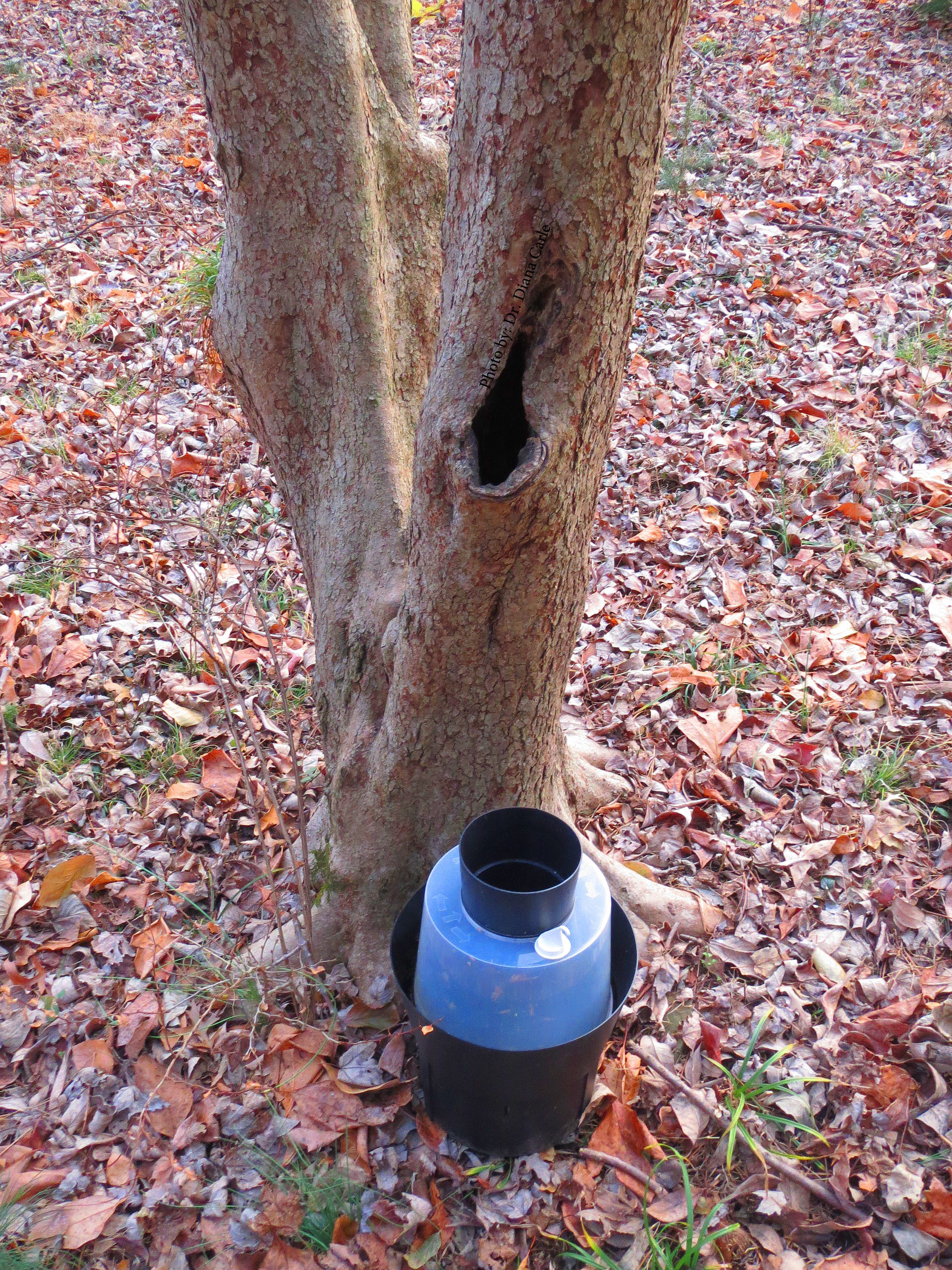
Often after a thorough yard cleanup cryptic habitats of container breeding mosquitoes remain, like an empty can hidden behind the bushes, a high tree hole, an undrained planter, a dammed roof gutter, or even mosquito breeding sites in a neighbor’s yard like the water captured on a pool cover. For this reason, adding a Biogents Gravid Aedes Trap (BG-GAT Trap) can be helpful in reducing mosquito nuisance. The trap works on container breeding Aedes, which tend to be the species most persistent in cryptic habitats. The device functions on the principal of removal trapping by attracting egg laying females into the apparatus with the lure of a suitable place to lay their eggs. When females fly into the trap, they cannot reach the water which is protected by a screen, and when they try to escape they become stuck on the sticky trap within, thus removing mosquitoes from the environment and stopping the them from reproducing. Also, because only female mosquitoes feed on blood, this trap effectively targets the biting portion of the mosquito population.
Natural Predators
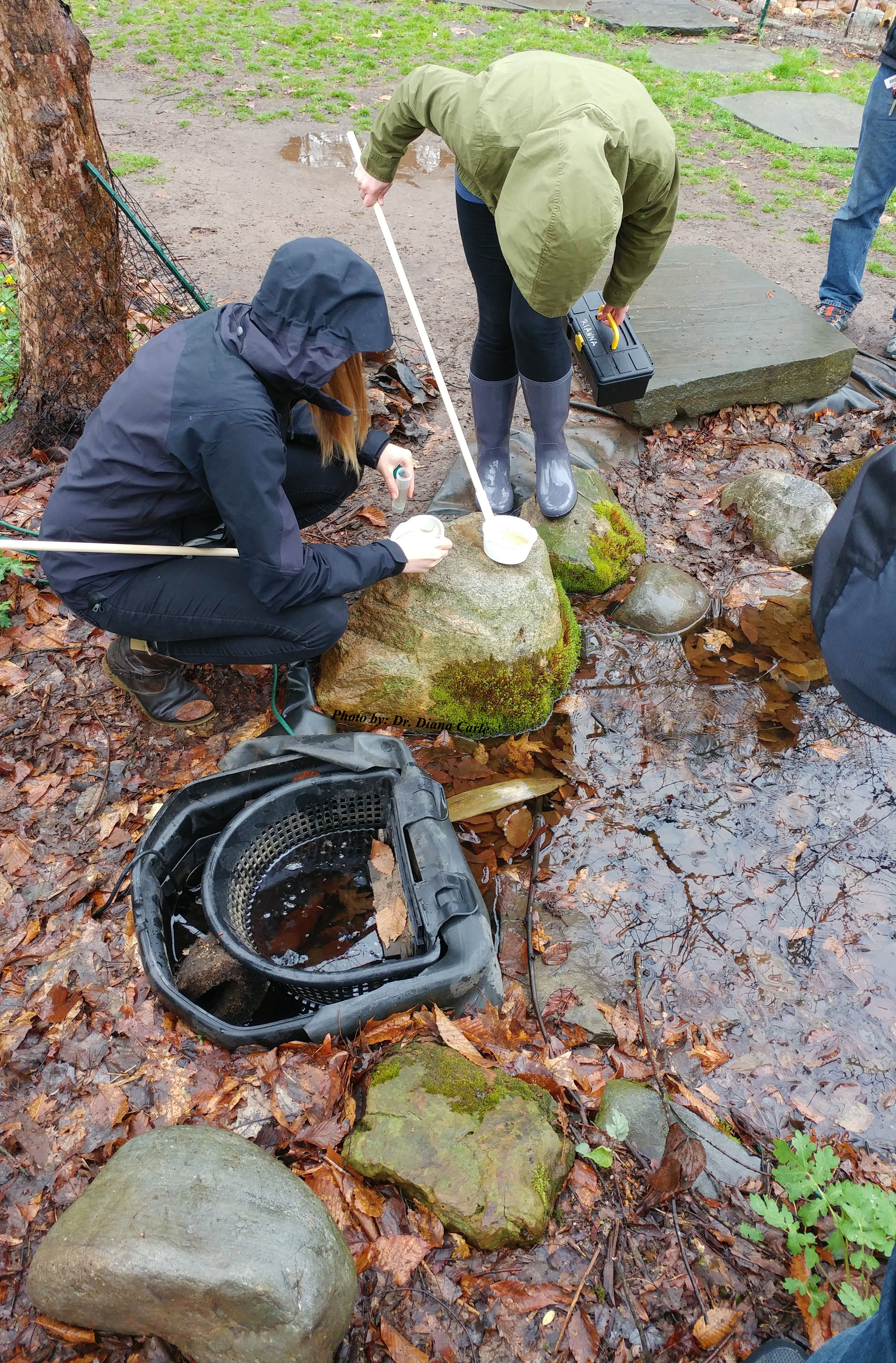
If you have permanent water fixtures around your home, these can always be at risk of becoming a breeding ground for mosquitoes. However, a diverse population of natural predators from minnows to aquatic insects in these ponds can be quite effective in reducing mosquito populations. The most effective predators are those that eat mosquito larvae, so even though dragonfly adults eat some adult mosquitoes during the day, dragonfly larvae that live in small ponds are much more effective mosquito predators. Species of the predacious diving beetle are also quite good predators of mosquito larvae. However, these predators take time to establish and the pond must be designed to meet their habitat needs. Some fish species are very efficient at reducing mosquito populations, but unlike many aquatic insect predators they will need to be restocked in temporary pools. Keep in mind that many temporary pool breeding mosquitoes can complete their aquatic life stage in less than a week.
If your community has permanent standing water habitats that serve as breeding areas for mosquitoes, in NJ you can contact your county mosquito control office and ask if they are able to stock the water body with mosquitofish or fathead minnows that will feed on the mosquito larvae.
 Diana Carle, PhD